
 EN
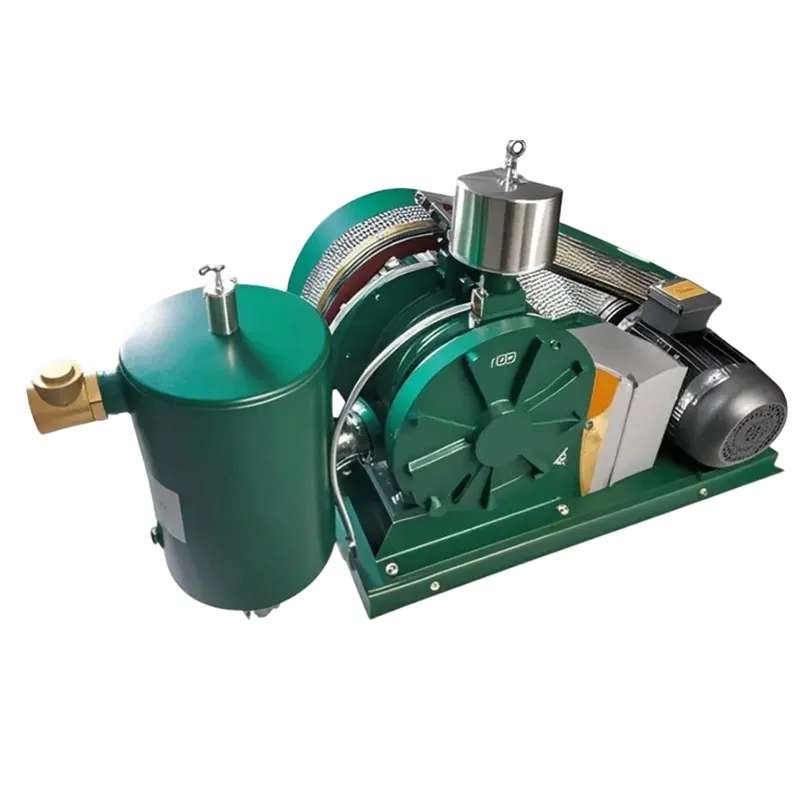
Choosing the right rotary vane blower requires careful evaluation of multiple technical and operational factors. Industrial facilities that depend on pneumatic conveying, wastewater aeration, vacuum packaging, or material handling systems must assess whether a rotary vane blower aligns with their specific performance requirements, budget constraints, and maintenance capabilities. A poorly selected blower can result in reduced efficiency, unexpected downtime, and inflated operating costs over time.
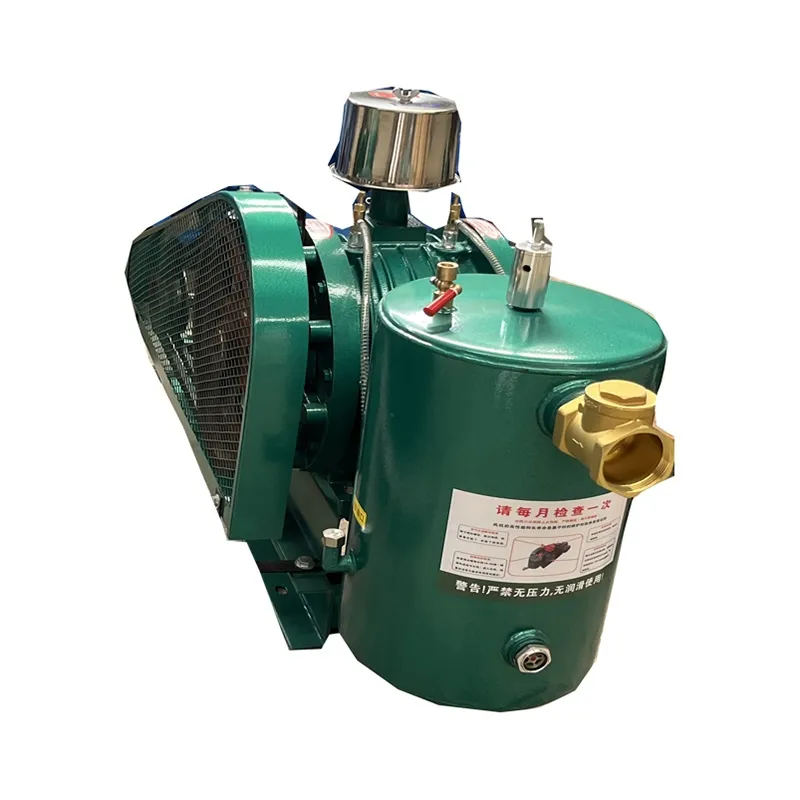
The rotary vane blower represents a critical investment for many industrial operations. Understanding the key evaluation criteria ensures procurement teams select equipment that delivers consistent performance, minimizes lifecycle costs, and supports long-term operational reliability. This guide walks through the essential factors that buyers must consider before committing to a purchase.
Performance Specifications and Application Fit
Flow Rate and Pressure Requirements
The fundamental starting point involves matching blower capacity to actual process demands. Flow rate, typically measured in cubic feet per minute or cubic meters per hour, must align with the specific application. Rotary vane blower applications industrial contexts span wastewater treatment, vacuum packaging, pneumatic conveying, and material transfer systems, each requiring different volumetric performance. Undersizing the blower creates bottlenecks and reduces throughput, while oversizing increases energy consumption and operating expenses unnecessarily.
Pressure requirements vary significantly by application. Aeration systems need lower pressures but higher volumes, while material conveying systems often demand higher pressure and moderate flow. Engineers must verify that the selected rotary vane blower delivers the combination of flow and pressure your process actually requires, not what marketing literature claims under ideal conditions.
Energy Efficiency and Power Consumption
Positive displacement blower advantages include consistent displacement across operating ranges, but this does not guarantee efficiency. Motor size, bearing friction, clearance design, and actual pressure drop all influence power consumption. Buyers should request detailed performance curves showing kilowatt requirements at various operating points. A blower optimized for your specific pressure and flow combination will consume less energy than one oversized for a different duty cycle.
Long-term operating costs dwarf the initial purchase price for equipment running continuously. Energy efficiency improvements of ten to fifteen percent across a year translate to substantial savings in electricity, compressed air generation, or fuel costs depending on the power source.
Technical Construction and Component Quality
Materials and Durability
Rotor blade material, case construction, and bearing selection directly impact blower lifespan and reliability. Cast iron cases withstand higher pressures than aluminum, while blade materials range from standard steel to specialty compounds for corrosive or abrasive environments. Buyers operating in food processing, chemical handling, or outdoor installations must specify materials compatible with their specific environment to prevent premature corrosion or contamination.
Bearing quality influences noise levels, vibration characteristics, and maintenance intervals. Ball bearings generate less noise than needle bearings but may cost more upfront. Sealed bearings require less frequent greasing than open designs, reducing maintenance labor in remote or high-contamination locations.
Clearance Tolerances and Manufacturing Standards
Internal clearances between rotor vanes and the housing directly affect volumetric efficiency. Tighter tolerances enhance efficiency but require higher manufacturing precision and increase component costs. Buyers should request detailed specifications regarding clearance values and manufacturing tolerances to understand the quality baseline. Rotary vane blower applications industrial environments demand consistent part quality because field performance depends heavily on precision during manufacturing.
ISO certification, dimensional traceability, and documented quality control processes indicate a manufacturer's commitment to consistency. A supplier offering detailed inspection certificates provides transparency into the actual product quality you will receive.
Maintenance Requirements and Operational Support
Maintenance Intervals and Parts Availability
Rotary vane blower maintenance troubleshooting begins with understanding the manufacturer's recommended service schedule. Oil change intervals, blade inspection cycles, bearing lubrication frequency, and filter replacement protocols vary by design and operating environment. Buyers must verify that spare parts remain readily available from the manufacturer or authorized distributors, as obsolete equipment cannot be maintained economically once production ends.
Common maintenance tasks include vane inspection, oil filter replacement, bearing lubrication, and alignment checks. Documentation detailing these procedures and identifying potential failure modes helps facility teams plan maintenance budgets and staffing. Complicated disassembly procedures increase maintenance costs and downtime, while modular designs allow faster repairs.
Technical Support and Documentation
Comprehensive operation manuals, troubleshooting guides, and spare parts diagrams are essential for smooth facility operations. Rotary vane blower maintenance troubleshooting becomes significantly easier when documentation clearly identifies common problems, diagnostic procedures, and recommended solutions. Manufacturers offering responsive technical support staff can diagnose issues remotely, reducing costly emergency service calls.
Buyers should assess the manufacturer's track record for service response times, technical documentation quality, and availability of training resources. A supplier with established local service centers provides faster support compared to manufacturers requiring international logistics.
FAQ
What positive displacement blower advantages should influence my selection decision?
Positive displacement blower advantages include consistent flow delivery across varying discharge pressures, simple mechanical design suitable for harsh environments, and reliable operation without surge or instability issues. These characteristics make rotary vane blowers ideal for applications requiring predictable performance despite pressure fluctuations or contaminated inlet air. The straightforward mechanism also reduces failure modes compared to dynamic blowers.
How do I ensure a rotary vane blower matches my specific application requirements?
Begin by documenting your process's exact flow rate, discharge pressure, inlet air conditions, and duty cycle. Request performance curves from potential suppliers showing blower output across your expected operating range. Specify any environmental constraints including temperature limits, material compatibility, or contamination hazards. Pilot testing with rental equipment from experienced vendors provides practical validation before committing to purchase.
What warning signs indicate poor rotary vane blower maintenance troubleshooting practices?
Rapidly declining flow output, increasing noise or vibration levels, oil contamination, or rising discharge temperatures suggest developing problems. Delayed response to these warning signs compounds damage and extends downtime. Facilities without organized rotary vane blower maintenance troubleshooting schedules typically experience more frequent failures and higher repair costs compared to those following manufacturer recommendations systematically.