
 EN
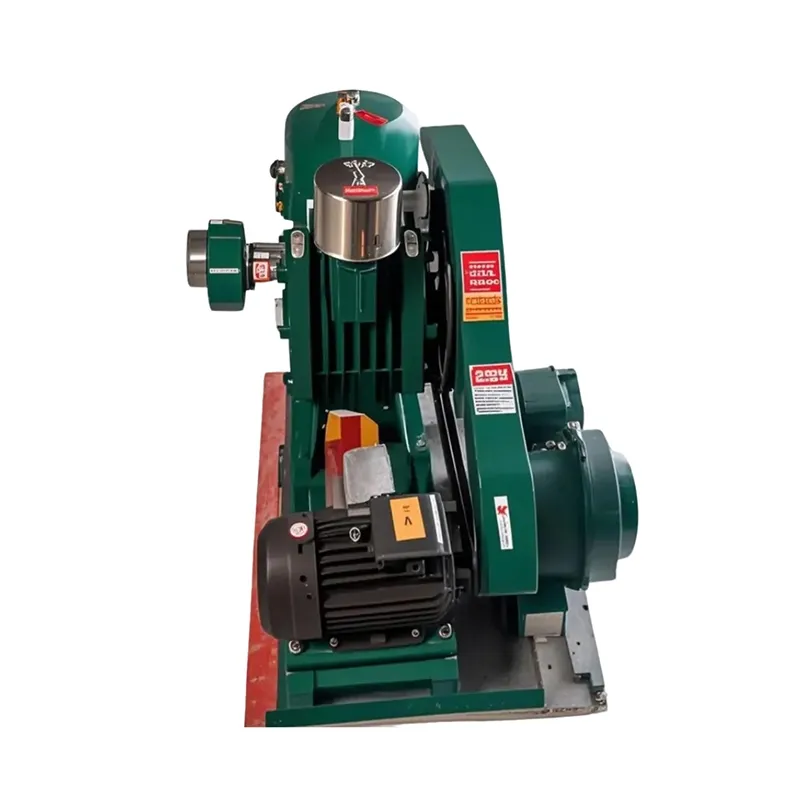
A rotary vane blower operates as a positive displacement device that maintains consistent airflow delivery regardless of system pressure fluctuations. Unlike centrifugal alternatives, this technology uses rotating vanes within a housing to trap and move air in fixed volumes, ensuring predictable performance in industrial settings. Understanding how this mechanism functions reveals why rotary vane blowers have become essential in wastewater treatment, pneumatic conveying, vacuum applications, and numerous other demanding scenarios where reliability cannot be compromised.
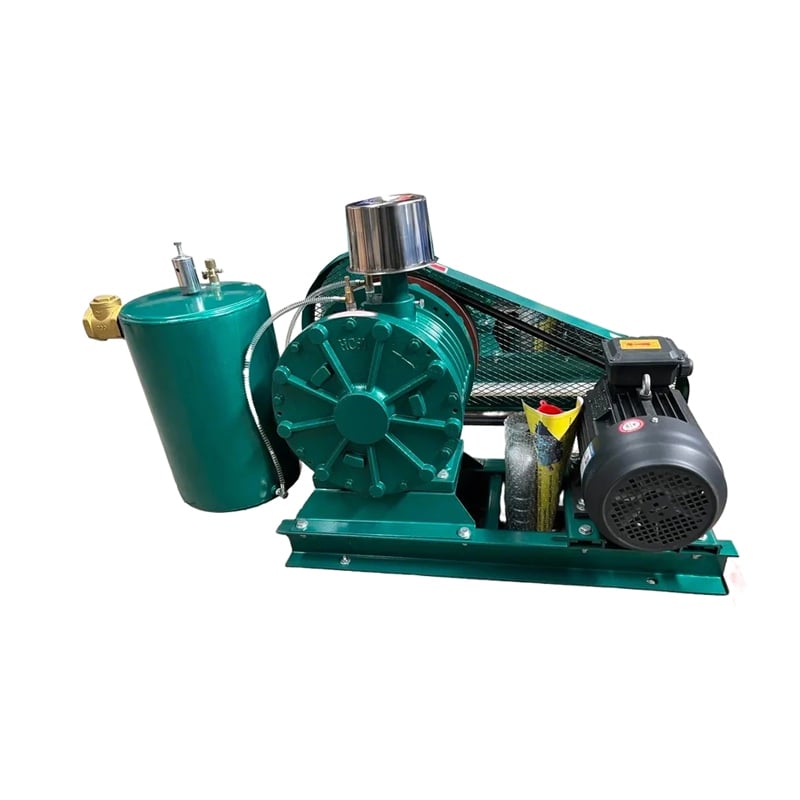
The reliability of a rotary vane blower stems from its mechanical simplicity and the inherent advantages of positive displacement technology. When industrial facilities face conditions involving variable loads, fluctuating pressures, or continuous operation requirements, positive displacement blower applications prove far more stable than velocity-dependent designs. This article explores the engineering principles, operational characteristics, and practical deployment scenarios that demonstrate why rotary vane blower systems excel in demanding environments.
Mechanical Design and Operational Principles
How Positive Displacement Works in Rotary Vane Blowers
A rotary vane blower functions through a rotating slotted rotor that carries multiple vanes sliding radially in and out of grooves. As the rotor turns within an eccentric chamber, each vane creates expanding and contracting volumes. During expansion, air enters through an intake port and fills the growing chamber space. As rotation continues, the sealed volume compresses and forces air through a discharge port. This positive displacement mechanism guarantees a fixed volume of air moves per revolution, independent of downstream pressure—a fundamental advantage over centrifugal designs that rely on velocity and are pressure-dependent.
The engineered tolerances in rotary vane pump vs blower configurations differ primarily in direction of flow and pressure rating, yet both employ identical positive displacement principles. Vanes must maintain precise clearances to minimize leakage while allowing smooth radial movement. Modern materials resist wear, and the eccentric design naturally equalizes forces, reducing vibration and extending service life in continuous-duty environments.
Key Components Contributing to Reliable Airflow Delivery
The rotor, vanes, housing, inlet and outlet ports, and bearing assemblies form an integrated system where each component directly impacts airflow consistency. Precision-cast or machined housings maintain the eccentric chamber geometry essential for predictable displacement. High-quality vane materials resist fatigue and maintain sliding contact despite thousands of operating hours. Bearing assemblies support radial loads and minimize shaft runout, ensuring that vane clearances remain stable throughout the machine's operational life. When these components work together without degradation, the positive displacement blower applications maintain their volumetric efficiency rating even after extended service periods.
Industrial Air Compression Systems and Demanding Applications
Why Industrial Air Compression Systems Require Positive Displacement Technology
Industrial air compression systems face diverse challenges including variable demand, contamination exposure, temperature fluctuations, and continuous operation cycles. A rotary vane blower provides consistent displacement regardless of these external pressures. In pneumatic conveying systems, for example, variable material density and line friction would cause centrifugal blower performance to drop unpredictably, but positive displacement blower applications maintain steady mass flow. In vacuum applications, a rotary vane blower pulls air from a chamber at constant volumetric rate, enabling precise evacuation control critical for industrial processes. Wastewater aeration systems demand uninterrupted bubbler streams even when biosolids accumulate, causing backpressure—conditions where positive displacement technology proves indispensable.
The engineering choice to deploy rotary vane blower systems reflects a priority on reliability over efficiency optimization. When process continuity drives design decisions more than energy consumption per unit output, positive displacement blower applications become the preferred specification.
Real-World Scenarios Where Rotary Vane Blowers Excel
Wastewater treatment facilities rely on rotary vane blower technology to deliver consistent aeration regardless of solids loading. Pneumatic conveying systems use positive displacement blower applications to move bulk materials at controlled rates without pressure-induced surging. Packaging machinery requires stable vacuum for precise part handling, making industrial air compression systems with rotary vane technology essential to prevent process failures. Food processing plants benefit from the simplicity and hygiene compatibility of rotary vane pump vs blower designs. Dust collection systems demand uninterrupted suction even when filter loading increases, another scenario where positive displacement technology prevents performance collapse. These applications share a common requirement: reliability in variable conditions, exactly where rotary vane blower systems demonstrate their core strength.
Performance Characteristics and Maintenance Advantages
Consistency in Pressure-Sensitive Environments
A rotary vane blower maintains volumetric output across a wide pressure range, making it uniquely suited for systems where backpressure fluctuates. If a clogged filter or downstream blockage increases system resistance, a centrifugal unit's output would decline sharply, but a rotary vane blower continues displacing its rated volume. This characteristic makes positive displacement blower applications invaluable in processes where air starvation could halt production. Industrial air compression systems benefit because pressure spikes or drops no longer trigger cascading failures in dependent equipment.
The trade-off is that a rotary vane blower may require higher motor torque as pressure increases, but this torque requirement remains predictable and manageable through proper motor sizing. This contrasts with centrifugal designs where power consumption can spike unpredictably under variable load conditions.
Long-Term Durability and Maintenance Efficiency
Rotary vane blower systems exhibit straightforward maintenance requirements because wear patterns are predictable and component replacement follows established schedules. Vane wear is gradual and can be monitored through performance trending. Oil-lubricated versions require periodic fluid changes, while direct-drive designs minimize bearing stress. A rotary vane pump vs blower comparison reveals that both types benefit from this predictability, allowing facility managers to plan maintenance without emergency disruptions. Positive displacement blower applications typically achieve 15,000 to 25,000 operating hours before major overhaul, depending on duty cycle and environmental conditions. This reliability translates to lower lifetime cost and reduced unplanned downtime in industrial air compression systems. The simplicity of the positive displacement mechanism means fewer failure modes and lower technical expertise required for troubleshooting.
FAQ
How does a rotary vane blower differ from a centrifugal blower?
A rotary vane blower uses positive displacement technology to deliver a fixed volume of air per revolution regardless of pressure, while centrifugal blowers rely on velocity and are pressure-dependent. This makes positive displacement blower applications far more stable under variable backpressure conditions. A centrifugal design offers higher efficiency at optimized speeds but poor performance in off-design scenarios. Industrial air compression systems with fluctuating demand or high backpressure favor rotary vane technology for its consistency.
What is the relationship between rotary vane pump vs blower designs?
Rotary vane pump vs blower configurations employ identical positive displacement principles but differ in direction of fluid flow and pressure rating. Both use a rotating rotor with sliding vanes in an eccentric chamber. The mechanical similarity means maintenance knowledge and component familiarity overlap significantly. The key distinction lies in application: blowers move air at higher flow rates and lower pressure differentials, while positive displacement pumps handle liquids at higher pressures. Understanding positive displacement blower applications requires recognizing this design commonality.
Which industries benefit most from positive displacement blower applications?
Wastewater treatment, pneumatic conveying, vacuum packaging, food processing, and dust collection represent primary industries where positive displacement blower applications deliver measurable value. Any sector requiring reliable airflow in variable-pressure environments benefits from rotary vane blower technology. Industrial air compression systems in these industries achieve greater uptime and lower maintenance cost through positive displacement designs. The consistency of volumetric flow makes these applications ideal for process control and equipment integration.