
 EN
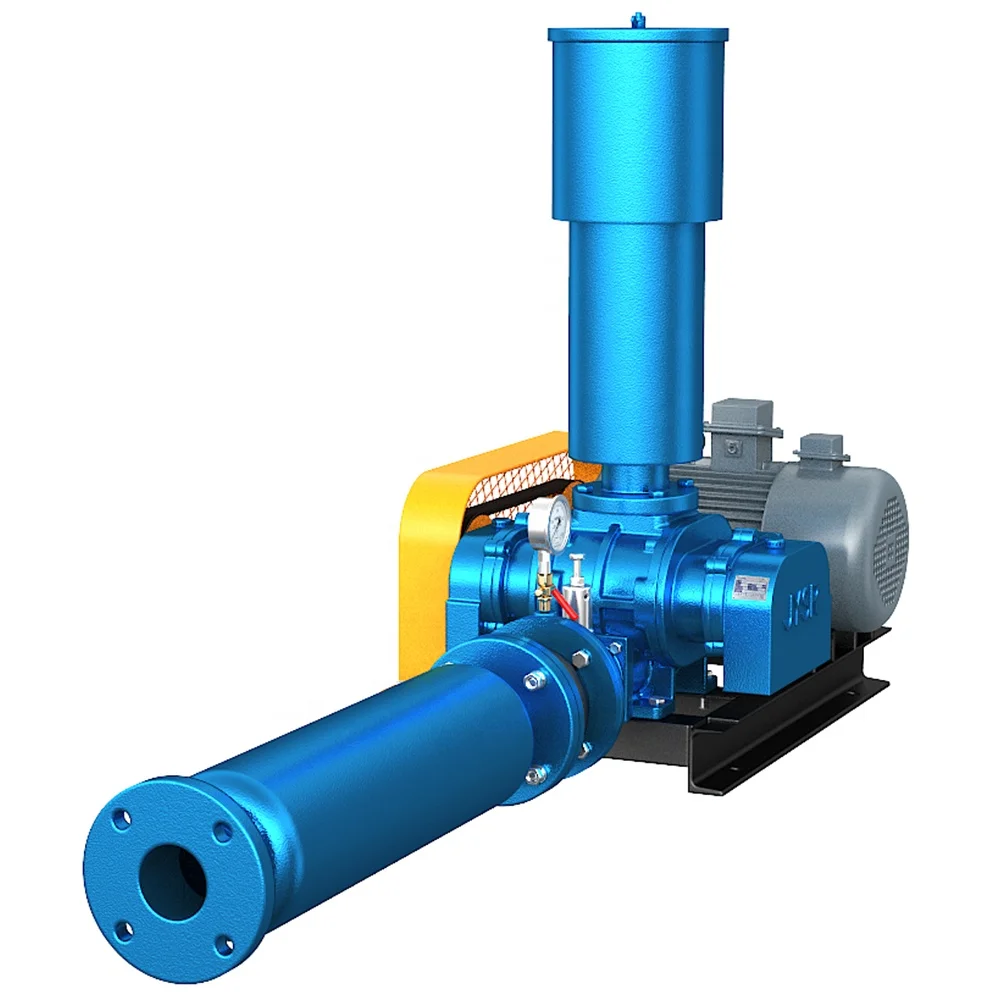
An industrial blower serves as a critical component in manufacturing facilities, processing plants, and material handling operations across diverse sectors. Understanding which applications genuinely require a high performance industrial blower is essential for operational efficiency, cost control, and safety compliance. High pressure blower specifications demand careful evaluation of airflow rates, pressure capacity, and environmental conditions to ensure optimal performance in demanding industrial environments.
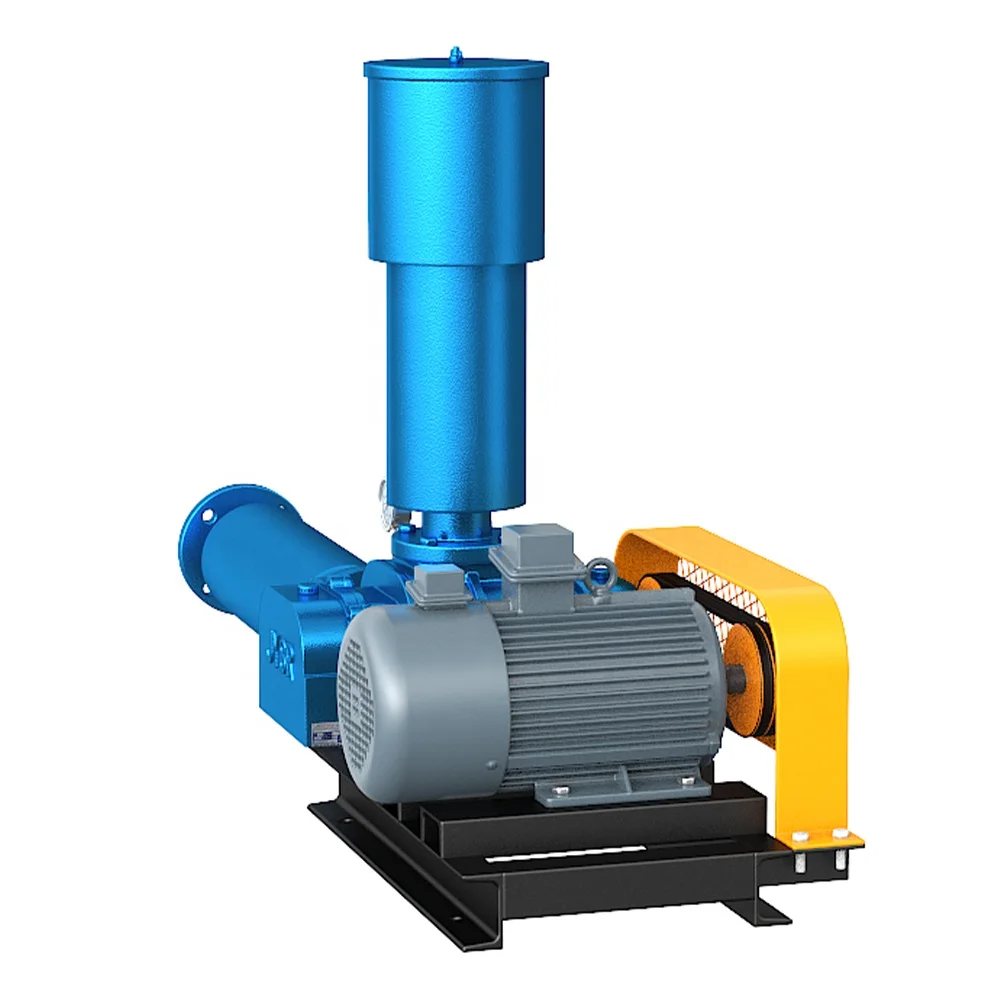
The performance requirements of modern industrial operations have grown increasingly demanding. Material conveying systems, powder handling processes, and high-volume ventilation demands push equipment beyond standard capabilities. Selecting the right industrial blower requires understanding the specific pressures, temperatures, and airflow volumes your operation demands. This guide explores the primary applications where high performance specifications become non-negotiable.
Material Handling and Pneumatic Conveying Systems
Particle and Powder Transport Applications
Pneumatic conveying relies on compressed air to move materials through enclosed pipelines, making centrifugal blower applications critical for this process. Fine powders, pellets, and granular materials require consistent pressure and volume to maintain transport efficiency without creating bottlenecks or product degradation. Industrial ventilation systems designed for material handling must overcome pipeline friction, elevation changes, and product density variations while maintaining steady flow rates.
High pressure blower specifications in conveying systems typically range from 8 to 15 PSI for dilute-phase transport and 20 to 30 PSI for dense-phase applications. The centrifugal blower design enables smooth acceleration of particles while minimizing turbulence and wear on product quality. Facilities handling abrasive materials such as cement, silica sand, or metal powders depend on robust industrial blower performance to prevent system blockages and maintain production schedules.
Bulk Bag and Hopper Discharge
Discharging materials from bulk bags and silos into processing equipment demands reliable pressure and flow consistency. Industrial ventilation systems supporting these operations prevent air locks and ensure complete material transfer without manual intervention. The centrifugal blower applications in discharge systems operate continuously during production runs, requiring durable construction and temperature tolerance for heated or dust-laden environments.
Industrial Ventilation and Air Quality Control
Dust Collection and Emission Control
Manufacturing environments generate airborne particles that pose health risks and regulatory compliance challenges. Industrial ventilation systems equipped with high performance industrial blower units pull contaminated air through filtration systems, protecting worker safety and meeting environmental standards. Negative pressure environments created by properly sized centrifugal blower applications prevent dust escape into adjacent work areas and reduce cleanup requirements.
Woodworking facilities, metalworking shops, and chemical processing plants implement comprehensive dust collection networks where high pressure blower specifications ensure adequate suction across multiple collection points. The industrial blower must overcome filter resistance and ductwork friction while maintaining sufficient velocity to transport particles without settling in collection lines. Undersized equipment results in inadequate capture, while oversized systems waste energy without proportional performance gains.
Ambient Air Supply and Process Cooling
Many industrial processes require controlled air supply or cooling during manufacturing cycles. Industrial ventilation systems deliver large volumes of air for heat dissipation in casting operations, furnace cooling, and drying processes. Centrifugal blower applications provide smooth, pulsation-free airflow essential for sensitive processes where flow consistency affects product quality or process repeatability.
Electronic component manufacturing, food processing, and pharmaceutical production rely on stable airflow from high performance industrial blower units. Temperature-critical environments demand blowers capable of handling heated air without performance degradation. High pressure blower specifications for these applications emphasize thermal stability and continuous duty ratings rather than maximum instantaneous output.
Specialized Industrial Applications
Wastewater Treatment and Aeration
Water treatment facilities and industrial wastewater systems depend on industrial ventilation systems that supply compressed air for aeration basins and biological treatment processes. The industrial blower must deliver consistent airflow over extended operating periods while withstanding humid, corrosive environments. Centrifugal blower applications in aeration systems operate 24/7, making reliability and energy efficiency paramount concerns for facility operators.
High pressure blower specifications for wastewater aeration typically target 5 to 10 PSI with continuous airflow rates measured in hundreds or thousands of cubic feet per minute. The blower design prevents water ingestion while maintaining consistent bubble size for optimal oxygen transfer efficiency. Material corrosion resistance becomes critical since constant exposure to moisture and chemical compounds can degrade standard equipment.
Combustion Air Supply and Furnace Preheating
Industrial furnaces, boilers, and combustion processes require precisely controlled air supply for efficient fuel burning. An industrial blower system delivers preheated or ambient air at volumes and pressures matching burner specifications. Centrifugal blower applications excel in these roles due to their ability to handle temperature extremes and maintain stable output despite pressure fluctuations in the combustion chamber.
High pressure blower specifications for combustion systems emphasize flame stability and emission control rather than volume alone. Steel mills, glass furnaces, and industrial ovens implement blowers capable of withstanding extreme discharge temperatures while delivering precise air-fuel ratios. Variable speed drives and pressure regulation systems work in conjunction with industrial ventilation blowers to optimize combustion efficiency and reduce emissions.
FAQ
What pressure range defines high performance industrial blower specifications?
High performance industrial blower specifications typically operate between 10 and 30 PSI depending on application requirements. Centrifugal blower applications for material conveying demand pressures in the mid-to-upper range, while industrial ventilation systems may function effectively at lower pressures. The specific requirement depends on pipeline length, material density, elevation changes, and system resistance characteristics. Consulting equipment datasheets and conducting system calculations ensures proper equipment sizing.
How do I determine if my application requires a centrifugal blower design?
Centrifugal blower applications suit applications demanding smooth, consistent airflow with moderate pressure requirements and continuous duty cycles. If your industrial ventilation system handles sensitive materials requiring gentle handling or processes requiring low vibration and pulsation, centrifugal designs typically outperform positive displacement alternatives. High pressure blower specifications emphasizing reliability over maximum output also favor centrifugal technology for its durability and operational longevity in demanding environments.
What maintenance factors should I consider for industrial blower selection?
Industrial ventilation systems require regular bearing inspection, seal maintenance, and impeller cleaning to sustain high performance industrial blower operation. Centrifugal blower applications in dusty or corrosive environments demand more frequent servicing and sometimes protective coatings. High pressure blower specifications with sealed housings and quality bearing systems reduce maintenance downtime and extend equipment lifespan, often justifying higher initial investment through improved total cost of ownership.