
 EN
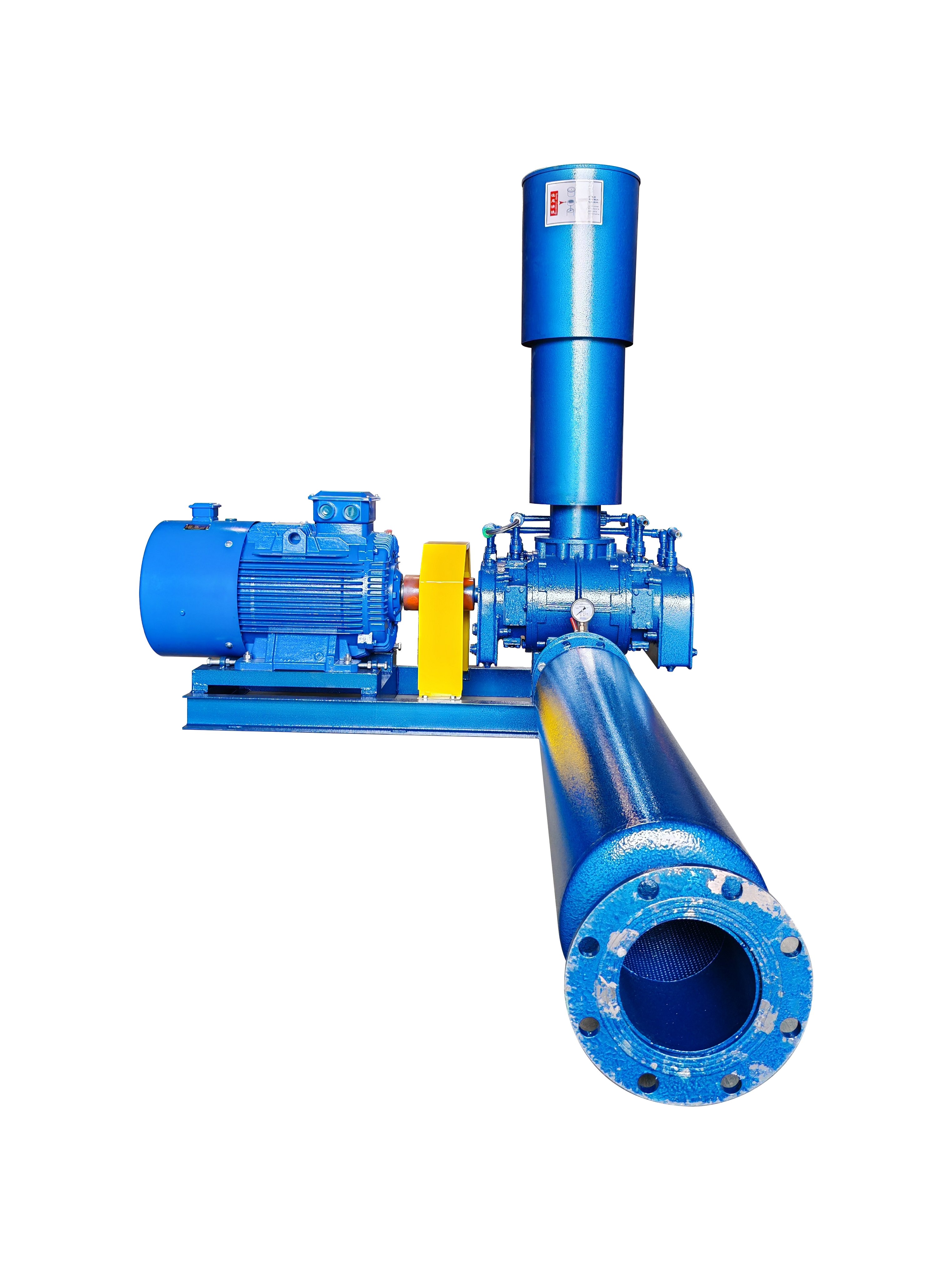
When managing large-scale aquaculture systems, selecting the right aeration technology directly impacts fish health, survival rates, and operational profitability. An aquaculture roots blower has emerged as a leading solution for providing consistent, reliable air supply to pond environments. These specialized devices deliver the sustained oxygen levels necessary for commercial fish farming operations, whether you manage tilapia ponds, catfish farms, or mixed-species aquaculture systems. Understanding how this equipment functions and whether it aligns with your operational scale is essential for making informed investment decisions.
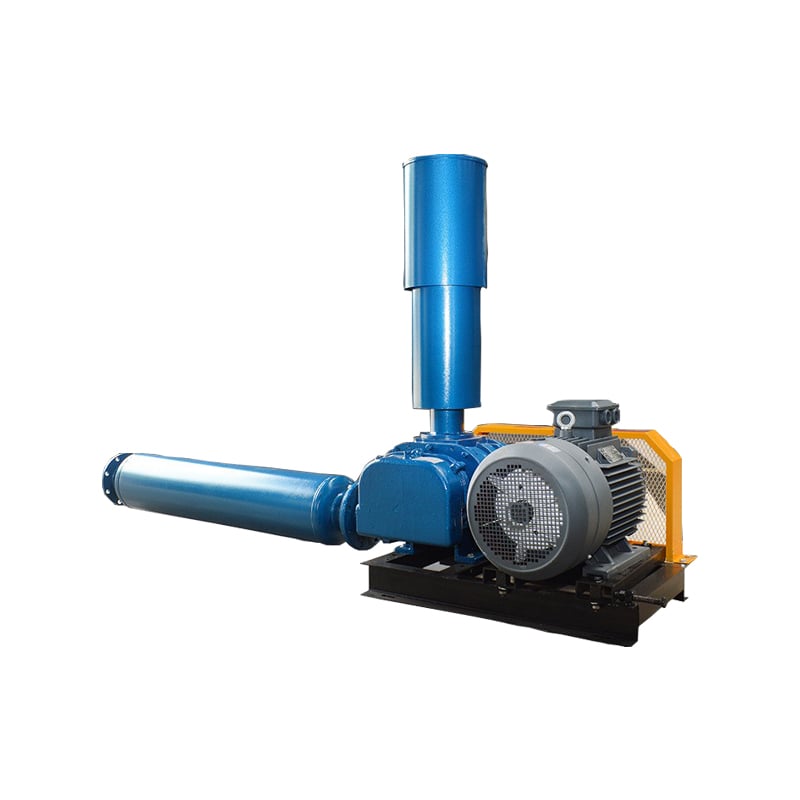
Large-scale aquaculture demands pond aeration equipment for fish farming that combines reliability with energy efficiency. Traditional mechanical aerators often struggle with consistency and consume excessive power, leading to rising operational costs. The low pressure air supply for aquaculture systems provided by roots blowers addresses these challenges by delivering steady oxygen transfer without the mechanical wear associated with paddle wheels or fountain systems.
Understanding Roots Blower Technology for Aquaculture
Core Mechanical Design and Function
A roots blower operates through a pair of figure-eight-shaped rotors that trap and move air from the inlet to the discharge port. Unlike centrifugal blowers, roots blowers maintain constant volume displacement regardless of downstream pressure variations. This characteristic makes them exceptionally suited to pond aeration applications where backpressure fluctuates based on water depth and oxygen demand. The energy efficient blower for water oxygenation design minimizes energy waste during partial-load operation, a common scenario in fish farming where aeration needs vary seasonally and daily.
Pressure and Flow Characteristics
Roots blowers generate low pressure air supply for aquaculture systems, typically ranging from 3 to 15 PSI depending on the model and diffuser system. This pressure range is optimal for fine-bubble diffusion methods that maximize oxygen dissolution efficiency. The consistent airflow prevents dead zones in ponds and ensures uniform oxygen distribution across the entire water column. Large-scale operations benefit from this predictability because operators can calculate exact aeration coverage and adjust blower speed to match real-time water quality monitoring data.
Evaluating Suitability for Large-Scale Aquaculture
Pond Size and Stocking Density Compatibility
Large-scale aquaculture systems typically range from 5 to 50 acres of active pond surface area. An aquaculture roots blower scales effectively across this range when paired with properly designed diffuser networks. For a 10-acre pond stocked at 2 fish per cubic meter, the low pressure air supply for aquaculture systems must deliver adequate oxygen throughout daylight hours and into evening feeding periods. Roots blower units rated at 50 to 200 cubic feet per minute can handle such installations when combined with manifold piping and zone-based diffuser placement. Larger operations exceeding 50 acres often employ multiple blower units in parallel configuration for redundancy and operational flexibility.
Energy Efficiency and Operating Costs
Energy consumption represents the largest recurring expense in aquaculture pond aeration equipment for fish farming. An energy efficient blower for water oxygenation reduces electric costs by 20 to 40 percent compared to aging mechanical aerators or undersized centrifugal systems. Roots blowers achieve this efficiency because they deliver constant volume at variable pressure without throttling losses. Variable frequency drives paired with aquaculture roots blower systems further optimize performance by adjusting motor speed to match dissolved oxygen requirements measured by sensors. Over a five-year operating period, this efficiency advantage translates to significant cost savings that improve return on investment.
Operational Advantages and Practical Implementation
Reliability and Maintenance Requirements
Roots blower technology delivers exceptional reliability in continuous operation environments characteristic of commercial aquaculture. The simple rotor design eliminates internal valves, preventing common failure points found in complex compressor systems. Routine maintenance for pond aeration equipment for fish farming involves belt inspection every 500 hours and bearing lubrication on a quarterly schedule. The low pressure air supply for aquaculture systems generated by roots blowers minimizes stress on seals and gaskets, extending component lifespan to 5 to 8 years of active service. This durability reduces emergency downtime that could compromise water quality and cause catastrophic fish losses.
Integration with Aeration Strategies
Modern aquaculture operations combine aquaculture roots blower systems with dissolved oxygen monitoring, automated diffuser controls, and supplementary paddle wheel aerators for emergency backup. The energy efficient blower for water oxygenation from a roots unit handles baseline oxygen supply throughout the day, while automated systems trigger supplementary aeration during low-light hours or high-stress events. This hybrid approach maximizes oxygen transfer efficiency while providing redundancy critical for protecting livestock investment. Installation typically requires concrete pad foundation, electrical connection to three-phase power infrastructure, and piping networks sized to accommodate future expansion as production scales.
Practical Decision Framework for Your Operation
Scenario Assessment and Best Fit Analysis
A roots blower represents the best solution when your large-scale aquaculture operation exceeds 5 acres, plans multi-year infrastructure investment, and prioritizes energy cost reduction. If your facility operates 24/7 with variable stocking densities or manages high-value species requiring precise oxygen control, the low pressure air supply for aquaculture systems from roots blowers enables responsive management. Conversely, if your operation spans fewer than 3 acres or accepts higher operating costs, alternative aeration technologies may suffice. Evaluate your specific requirements by calculating total aeration horsepower needed, projecting five-year energy costs, and comparing equipment payback periods against operational life expectancy.
FAQ
What is the typical lifespan of an aquaculture roots blower in continuous operation?
A quality aquaculture roots blower typically operates for 5 to 8 years under continuous daily use in pond aeration equipment for fish farming applications. Proper maintenance, including regular belt tension checks and bearing lubrication, extends equipment life significantly. Ambient temperature, motor protection features, and water quality conditions affecting seal wear influence actual longevity. Many operators successfully operate the same unit for over 10 years by implementing preventive maintenance schedules and replacing wear items proactively.
How does low pressure air supply for aquaculture systems compare to high-pressure compressors?
Low pressure air supply for aquaculture systems from roots blowers consumes 30 to 40 percent less electricity than high-pressure compressors while delivering superior oxygen transfer efficiency in pond environments. High-pressure systems excel in deep-well applications or closed-loop recirculating systems requiring pressurized oxygen injection. For pond aeration equipment for fish farming, the fine-bubble diffusion enabled by low-pressure operation maximizes dissolved oxygen uptake and minimizes energy waste. Large-scale aquaculture operations almost universally adopt roots blower technology for this reason.
Can an energy efficient blower for water oxygenation support emergency backup aeration?
Yes, an energy efficient blower for water oxygenation from a roots blower system can support emergency scenarios when paired with variable speed control and additional paddle wheel aerators. During power outages or equipment failure, backup mechanical aerators activate immediately while service technicians restore blower operation. The low pressure air supply for aquaculture systems provides baseline stability, while redundant mechanical systems handle crisis response. This layered approach protects fish stock investment and maintains compliance with operational standards requiring continuous oxygen availability.