
 EN
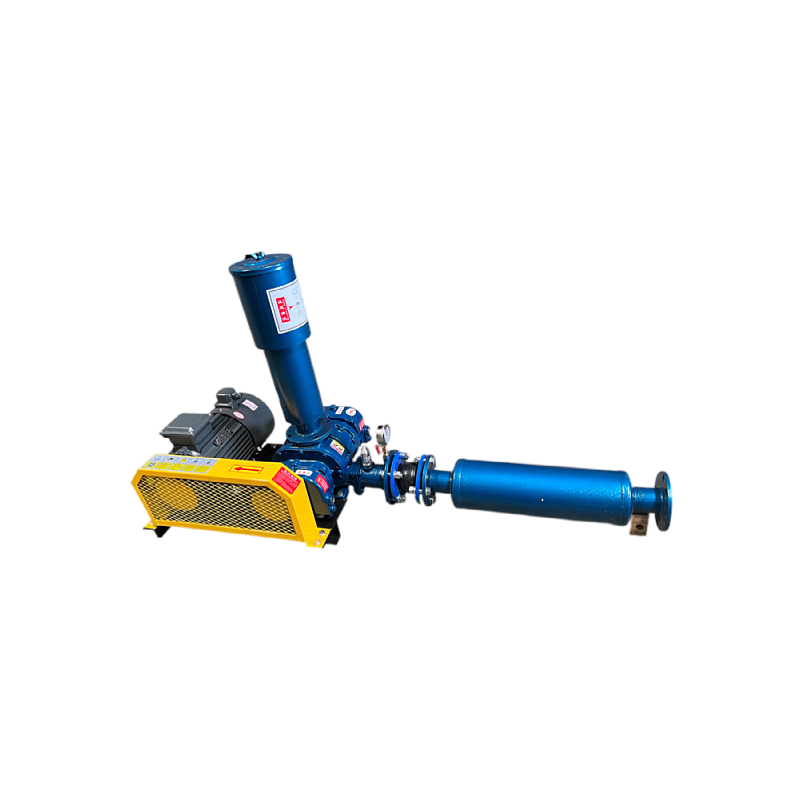
Commercial fish farms face significant operational expenses, with aeration accounting for a substantial portion of energy consumption. An aquaculture roots blower represents a critical investment that directly impacts profitability by enhancing oxygen transfer efficiency while reducing power demand. Understanding how this equipment delivers cost savings requires examining both the mechanical advantages and the operational context of modern fish farming.
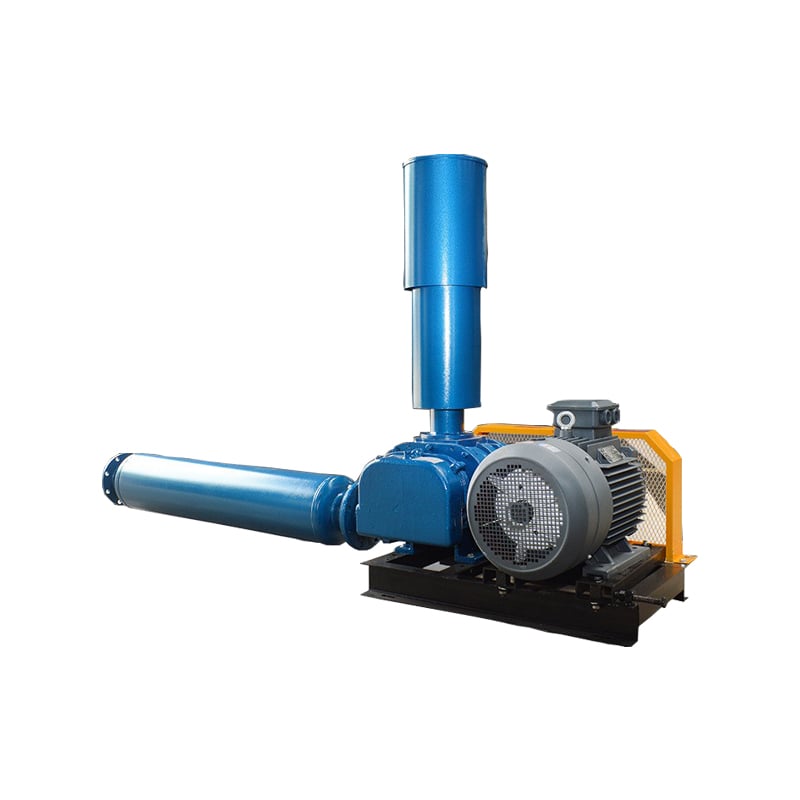
Effective pond aeration systems for fish farming require consistent, reliable oxygen delivery to maintain water quality and support fish growth. The design of roots blowers provides superior displacement capabilities compared to conventional centrifugal equipment, ensuring stable airflow under varying operational pressures. This reliability translates into measurable cost reductions across multiple operational categories, from energy consumption to maintenance and system downtime.
Energy Efficiency and Operating Cost Reduction
Superior Volumetric Displacement Performance
Roots blowers operate through a positive displacement mechanism that moves fixed volumes of air with each revolution, independent of outlet pressure fluctuations. This characteristic makes them exceptionally efficient in aquaculture environments where water levels, dissolved oxygen demands, and system resistance vary throughout the day. Unlike centrifugal blowers that lose efficiency under back-pressure conditions, roots-type equipment maintains consistent performance, reducing the electrical energy required to maintain target oxygen levels. For a typical commercial fish farm operating aerators twelve to sixteen hours daily, this efficiency advantage compounds into substantial annual electricity savings.
Pressure Stability and Reduced Throttling Losses
Pond aeration systems for fish farming traditionally rely on flow control valves to manage oxygen delivery, but this approach wastes energy through pressure regulation. Roots blowers generate steady discharge pressure naturally, minimizing the need for throttling and reducing parasitic power consumption. When oxygen transfer equipment operates closer to its design point, motors run at peak efficiency, and heat generation decreases. This optimized operational envelope protects motor windings, extends bearing life, and reduces cooling demands throughout the aeration infrastructure.
Aquaculture Oxygen Transfer Equipment and System Integration
Enhanced Oxygen Transfer Efficiency
The relationship between airflow quality and aquaculture oxygen transfer equipment performance directly influences farm profitability. Roots blowers deliver consistent, pulsation-free airflow that maximizes oxygen dissolution in pond water compared to variable-displacement alternatives. When fish farmers achieve target dissolved oxygen levels more reliably, they reduce metabolic stress on stock, improve growth rates, and minimize disease-related losses. This biological benefit translates into higher survival rates and faster reach-to-market timelines, creating revenue gains that amplify the equipment investment return.
Scalability and Modular Expansion
As aquaculture operations expand, the modular architecture of roots-based aeration systems allows proportional capacity increases without complete infrastructure replacement. Adding supplementary roots blowers or upgrading displacement volumes requires minimal piping modifications compared to reconfiguring centrifugal systems. This scalability reduces capital expenditure during growth phases and avoids forced retirement of functional equipment. Farmers can align aeration capacity precisely with seasonal demands, fish stock sizes, and market conditions, optimizing cost allocation across production cycles.
Maintenance Efficiency and Blower Noise Reduction Benefits
Simplified Mechanical Design and Lower Maintenance Costs
Roots blowers feature fewer moving components than complex multi-stage centrifugal designs, directly reducing maintenance labor and spare parts inventory. The positive displacement mechanism requires routine oil changes, bearing inspections, and seal checks, but avoids the blade erosion, impeller imbalance, and cavitation issues common in centrifugal equipment. With predictable maintenance intervals and straightforward troubleshooting procedures, farm personnel can perform basic service internally rather than requiring specialized technicians. This cost reduction extends across repair downtime, replacement parts procurement, and emergency service calls that disrupt production schedules.
Blower Noise Reduction in Water Treatment Operations
Commercial fish farms increasingly face regulatory pressure regarding noise emissions from aeration infrastructure. Modern roots blowers incorporate sound-dampening chambers, elastomeric mounting systems, and discharge silencers that reduce blower noise reduction in water treatment environments below regulatory thresholds. Quieter operation improves workplace conditions for farm staff, reduces community noise complaints, and supports facility expansion in populated regions. These compliance advantages translate into avoided regulatory fees, streamlined permitting processes, and eliminated expensive acoustic retrofitting projects that would otherwise drain operational budgets.
Long-Term Financial Impact and System Reliability
Improved Uptime and Production Continuity
Aeration system failures directly threaten fish stock viability, creating catastrophic economic losses within hours. Roots blowers demonstrate superior reliability under continuous duty cycles due to forgiving mechanical design tolerant of inlet contaminants and outlet pressure spikes. The positive displacement principle eliminates surge and cavitation conditions that damage centrifugal equipment, allowing extended run times between major overhauls. When farms experience fewer unplanned shutdowns, they maintain consistent oxygen delivery, reduce fish mortality from hypoxic stress, and protect revenue streams dependent on predictable supply schedules.
Total Cost of Ownership Advantages
Evaluating aeration equipment requires comparing acquisition price, installation, energy consumption, maintenance, and eventual replacement costs across the equipment lifecycle. An aquaculture roots blower typically demonstrates superior total cost of ownership compared to centrifugal alternatives, with lower operating expenses offsetting higher initial investment within three to five years of operation. Environmental factors including temperature fluctuations, water quality variability, and seasonal production demands all favor roots technology in pond aeration systems for fish farming applications. Farms that quantify these long-term financial benefits discover that oxygen transfer equipment selection fundamentally shapes profitability trajectories across production seasons.
FAQ
What operating cost reductions can commercial farms expect after installing roots blower equipment?
Commercial fish farms typically achieve ten to twenty-five percent reductions in aeration energy costs within the first year of roots blower installation, depending on existing equipment efficiency and operational hours. Additional cost savings emerge through reduced maintenance labor, eliminated emergency repairs, and improved fish survival rates that increase production yield. The financial impact varies by farm size, water conditions, and local electricity rates, but most operations recover equipment investment within three to five years while accumulating ongoing operational savings.
How does blower noise reduction affect farm operations and regulatory compliance?
Blower noise reduction in water treatment environments directly supports compliance with environmental regulations, community noise ordinances, and worker safety standards. Quieter aeration systems reduce neighborhood objections to farm expansion, streamline regulatory approval processes, and improve staff working conditions around treatment areas. Many regions impose strict decibel limits on industrial operations, and modern roots blowers meet these requirements through integrated silencing technology, avoiding expensive retrofitting or relocation costs that would otherwise impact operational budgets.
Can roots blower technology integrate with existing pond aeration systems for fish farming?
Yes, pond aeration systems for fish farming can incorporate roots blowers through piping modifications and discharge manifold reconfiguration without replacing existing diffuser networks or water treatment infrastructure. The modular design of roots technology allows gradual replacement of aging centrifugal equipment, spreading capital expenses across budget cycles while maintaining production continuity. Farms can retrofit individual pond sections with new equipment, test performance improvements, and plan phased expansion based on verified cost savings and operational benefits.