
 EN
EN
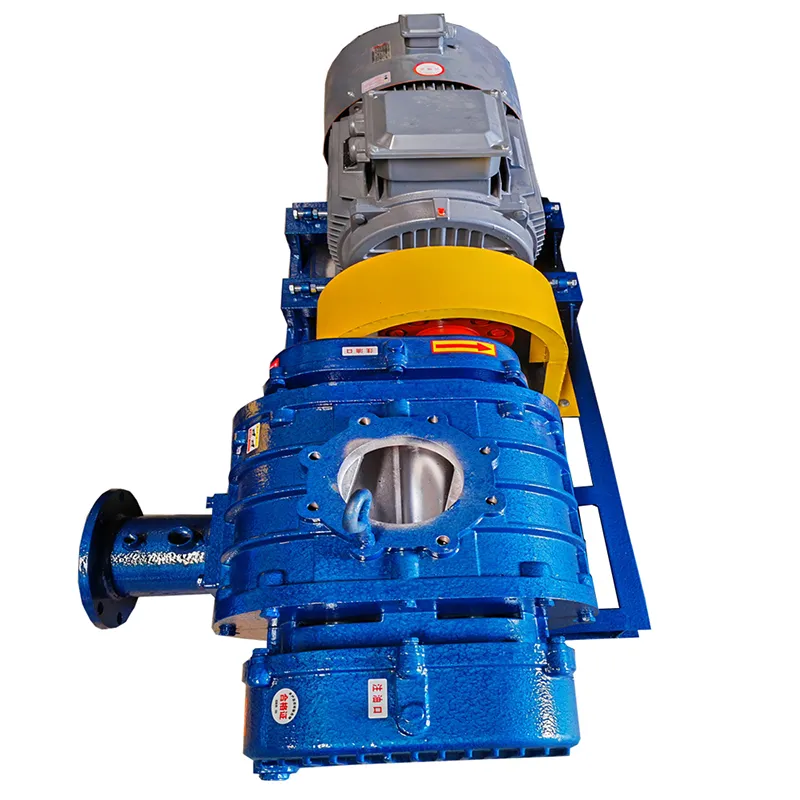
Selecting the right turbo air blower is critical for industries that demand consistent, reliable air delivery at scale. Whether you operate manufacturing facilities, waste management systems, water treatment plants, or pneumatic conveying operations, the performance of your air blower directly impacts productivity, energy efficiency, and operational costs. Choosing the wrong blower can lead to insufficient airflow, energy waste, system failures, and downtime. High-performance applications require a nuanced understanding of blower types, performance metrics, and application-specific requirements. This guide walks you through the essential factors that determine the right turbo air blower for your business.
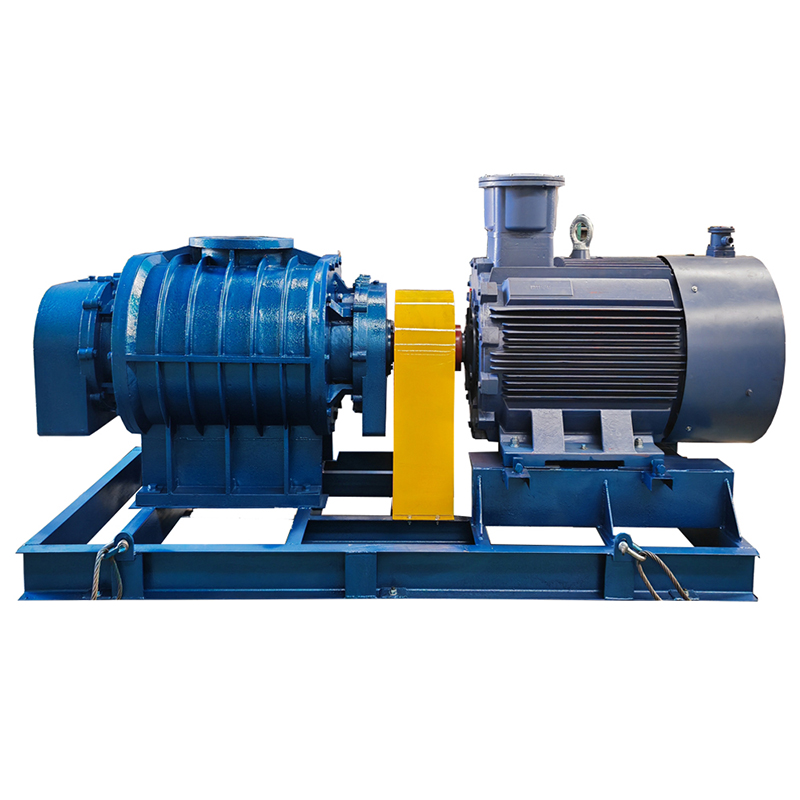
High-pressure air blower specifications form the foundation of selection logic. Airflow capacity, measured in cubic feet per minute (CFM) or cubic meters per hour (m³/h), must match your system's minimum operational demand plus a safety margin. Pressure requirements, expressed in inches of water column (in. WC) or bar, depend on the downstream resistance in your application. Motor power, efficiency ratings, and noise levels further shape the decision. Understanding how centrifugal blower performance rating relates to your workload ensures you avoid both underpowered equipment and unnecessary energy expenditure. This section clarifies what these specifications mean and how they guide your selection process.
Understanding High-Pressure Air Blower Specifications
Airflow Capacity and Pressure Requirements
Airflow capacity determines how much air volume your blower can move per unit time. Industrial air blower applications typically require CFM ratings that account for peak demand, not average demand. Pressure requirements are equally critical—a blower rated for high-pressure air blower specifications at 20 in. WC will not perform adequately if your system needs 30 in. WC at the discharge point. Undersizing on either metric creates operational failures. Most high-performance applications operate between 5 and 50 in. WC, depending on whether the blower feeds dust collection, pneumatic conveying, or pressurized aeration systems. Calculate your exact requirements by measuring system resistance under full load and adding a 10–15% safety margin.
Motor Power and Efficiency
Motor horsepower (HP) or kilowatts (kW) must align with the total system demand, including friction losses in ductwork, filters, and downstream equipment. Oversizing the motor wastes electricity; undersizing causes premature motor failure. Centrifugal blower performance rating includes efficiency curves that show how much CFM and pressure the blower delivers per unit of motor input. Modern energy-efficient models can reduce operating costs by 20–30% compared to older designs. For industrial air blower applications running 24/7, this difference compounds into substantial savings. Always request efficiency curves and power curves from manufacturers to compare true performance across candidates.
Centrifugal Blower Performance Rating and Application Fit
Performance Curves and Operating Points
Centrifugal blower performance rating is displayed as a curve showing CFM versus pressure at rated motor speed. Your application's required CFM and pressure must intersect with this curve in the 60–80% efficiency zone. Operating far to the left or right of this sweet spot degrades efficiency and increases noise. High-pressure air blower specifications that push the blower to the edge of its curve invite cavitation noise, vibration, and shortened bearing life. Request performance curves for each candidate turbo air blower and plot your operating point against the curve. A blower that looks adequate on paper but operates outside its optimal range will disappoint in real-world deployment.
Noise and Vibration Characteristics
Industrial air blower applications in confined or noise-sensitive areas demand attention to noise generation. Centrifugal blower performance rating typically includes sound level data at various operating points, measured in decibels (dB). High-pressure air blower specifications that promise low-noise operation often employ inlet silencers, discharge diffusers, or vibration isolation mounts. For applications near office areas or sensitive environments, selecting a turbo air blower rated for lower decibel output prevents complaints and regulatory non-compliance. Vibration must also be managed through proper installation, balanced impellers, and motor mounting pads. Skipping these considerations in site selection leads to costly retrofits.
Industrial Air Blower Applications and Selection Context
Common High-Performance Use Cases
Industrial air blower applications span waste and water treatment, pneumatic conveying, dust collection, material drying, and aeration systems. Each has distinct pressure, flow, and reliability demands. Waste treatment aeration systems typically need continuous, moderate-pressure operation over years of deployment. Pneumatic conveying demands quick pressure response and high reliability to prevent material jams. Dust collection systems require sustained high-pressure, low-flow operation to maintain filter integrity. A turbo air blower selected for waste treatment may fail under pneumatic conveying stress if not properly rated. Understanding your specific industrial air blower application category ensures you target blowers designed for that duty cycle and load profile. Consult application guides or speak with manufacturers to confirm suitability before committing to a purchase.
Reliability and Maintenance Factors
High-pressure air blower specifications must account for reliability expectations and maintenance accessibility. Bearings rated for extended intervals reduce downtime and labor. Accessible filter housings speed routine maintenance. Vibration-damped motor mounts extend component life. For critical industrial air blower applications where unplanned downtime carries heavy cost, investing in a turbo air blower with a proven track record in your industry reduces risk. Centrifugal blower performance rating alone does not tell you about real-world durability, so research field references, warranty terms, and service network availability. Many high-performance applications justify purchasing premium equipment with superior reliability over budget alternatives that require frequent repairs.
FAQ
What is the difference between a centrifugal blower and a positive displacement blower?
Centrifugal blowers accelerate air using an impeller and convert kinetic energy into pressure, delivering variable flow at different pressures. Positive displacement blowers trap and push a fixed volume of air per rotation, maintaining constant flow regardless of back pressure. For high-pressure air blower specifications and industrial air blower applications requiring variable flow and moderate to high pressure, centrifugal designs are more efficient. Positive displacement units suit constant-volume, very-high-pressure applications. Most turbo air blower selections in manufacturing and treatment industries favor centrifugal designs for their efficiency and operating flexibility.
How do I know if a turbo air blower is right for my application?
Match the blower's CFM and pressure rating to your system's peak demand using performance curves. Verify that your operating point falls in the 60–80% efficiency zone of the centrifugal blower performance rating curve. Confirm that the blower's duty cycle (continuous, intermittent, or seasonal) aligns with high-pressure air blower specifications and the motor's rated use. Check noise, vibration, and maintenance requirements against your site constraints. Request application references from the manufacturer for similar industrial air blower applications. If the numbers align and references are strong, you likely have the right turbo air blower candidate.
Why is energy efficiency important in blower selection?
Industrial air blower applications often run continuously, making energy cost a major lifetime expense. A turbo air blower that operates at 70% efficiency instead of 50% reduces monthly electricity bills by 28% or more, depending on motor size and runtime. Over a 10-year lifespan, this efficiency gain pays for premium equipment and reduces carbon footprint. High-pressure air blower specifications that emphasize modern motor design, optimized impeller geometry, and low-friction bearings deliver this efficiency advantage. Centrifugal blower performance rating should always include efficiency data so you can calculate true total cost of ownership, not just purchase price.