
 EN
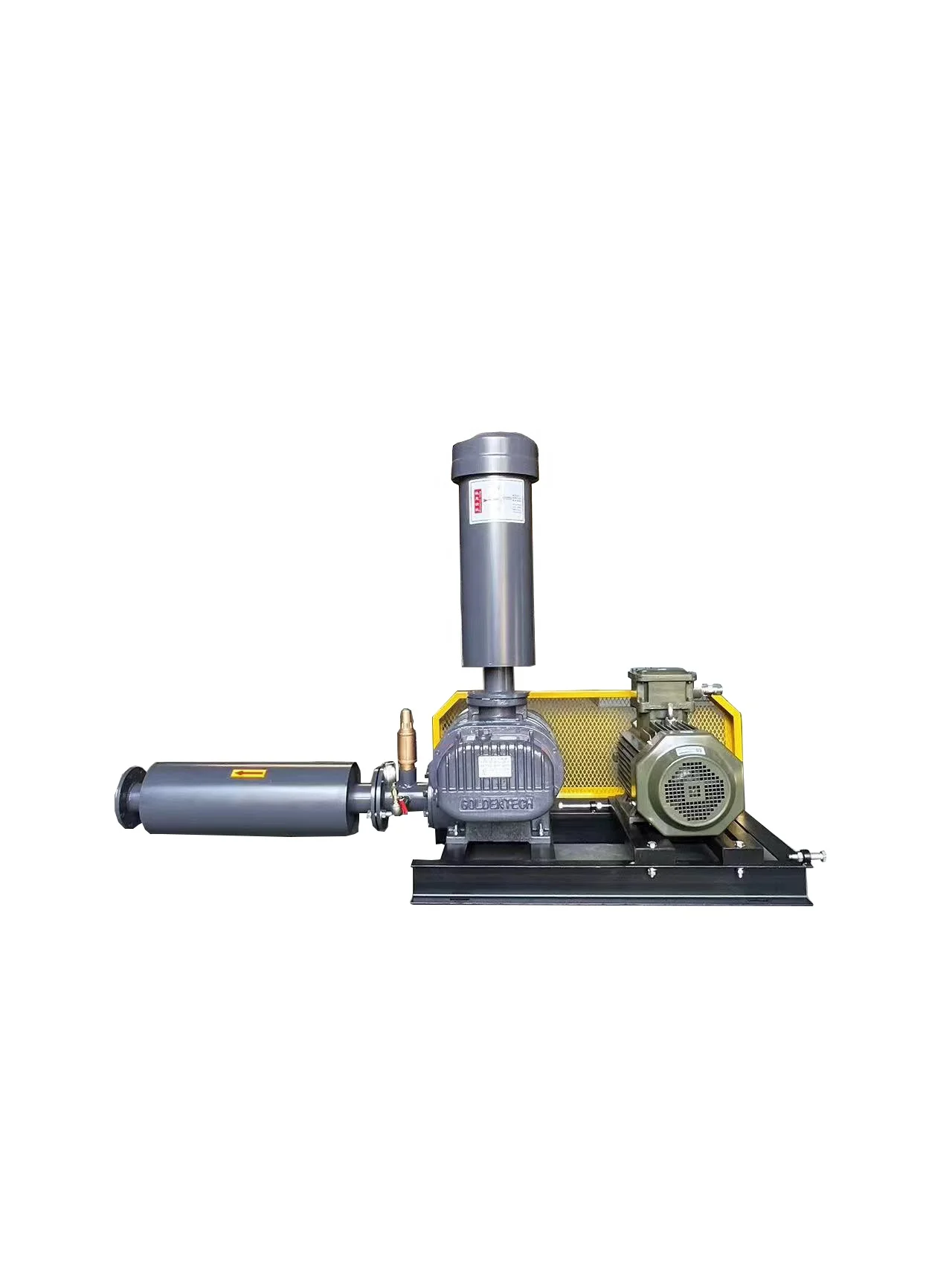
An industrial blower plays a critical role in modern material handling operations by enabling efficient movement of bulk materials, powders, and particles across production facilities. Whether managing grain in agricultural settings, cement in construction, or powders in manufacturing, an industrial blower provides the controlled airflow necessary to transport materials reliably while minimizing energy waste and operational downtime. The integration of advanced industrial blower technology directly supports facility productivity, worker safety, and cost management.

Understanding how an industrial blower supports material handling requires examining the relationship between airflow dynamics, equipment design, and practical operational demands. Modern facilities increasingly rely on high pressure blower specifications and centrifugal blower applications to maintain consistent throughput while adapting to varied material characteristics and facility layouts. This article explores the mechanical foundations, application scenarios, and selection considerations that make an industrial blower indispensable for efficient material movement.
How Industrial Blowers Enable Material Conveying
Pneumatic Conveying Fundamentals
Pneumatic conveying systems depend entirely on consistent airflow generation, which an industrial blower provides through controlled pressure and volume delivery. When material enters the conveying line, the industrial blower creates differential pressure that lifts particles and suspends them within the air stream, allowing gravity and friction to be overcome. This mechanism works across both dilute phase systems, where particles travel individually within air, and dense phase systems, where material concentration reaches higher levels. The selection of appropriate high pressure blower specifications determines whether the system can handle the density and particle size of your material without excessive wear or inefficiency.
Energy Efficiency Through Optimized Airflow
An effective industrial blower operates at the minimum pressure and volume required for your specific material, avoiding unnecessary energy consumption that increases operational costs. Oversized or poorly matched equipment forces the industrial blower to work harder than necessary, wasting electricity and generating excessive heat. Modern centrifugal blower applications incorporate variable speed drives and pressure monitoring that allow the industrial blower to adjust output based on real-time conveying demands. This responsive operation significantly reduces energy per ton of material moved compared to fixed-speed legacy systems.
Centrifugal Blower Applications Across Industries
Bulk Material and Powder Industries
Centrifugal blower applications dominate bulk material handling because these blowers excel at generating consistent, smooth airflow across wide pressure ranges. In grain handling facilities, centrifugal blower applications manage the movement of seeds and grains from storage to processing equipment without degradation. Chemical manufacturers depend on centrifugal blower applications to convey fine powders, pigments, and additives while maintaining product integrity. The robust design of centrifugal blower applications tolerates the abrasive nature of many industrial materials, making them preferred over other blower types in these demanding environments.
Dust Collection and Industrial Ventilation Systems
Beyond material conveying, industrial ventilation systems rely heavily on blower technology to manage air quality and regulatory compliance. Industrial ventilation systems use centrifugal blower applications to extract dust and fumes from production areas, protecting worker health and facility cleanliness. High pressure blower specifications in these systems ensure adequate capture velocity at source points, preventing airborne contaminants from escaping into occupied zones. The same industrial blower that moves product can simultaneously support industrial ventilation systems through proper system design and multi-purpose ducting architecture.
Selecting the Right High Pressure Blower Specifications
Pressure, Volume, and Performance Matching
Matching high pressure blower specifications to your material handling application requires understanding both pressure requirements and volumetric flow needs. Pressure demand depends on conveying line length, elevation changes, material density, and desired conveying velocity. An industrial blower sized for 10 inches of water column performs differently than one designed for 20 inches, affecting both material throughput and energy consumption. Volume requirements depend on material feed rate and conveying speed; undersizing the industrial blower creates bottlenecks while oversizing wastes energy. Professional system designers calculate these high pressure blower specifications through detailed material properties analysis and system simulation before equipment selection.
Durability and Maintenance Considerations
High pressure blower specifications must account for the operational environment, including temperature extremes, corrosive atmospheres, and abrasive particle interaction. Bearing selection, impeller materials, and housing design all contribute to how long an industrial blower remains reliable under your specific conditions. Industrial ventilation systems operating continuously demand different durability specifications than intermittent conveying applications. Regular maintenance protocols, including bearing inspection, impeller cleaning, and vibration monitoring, extend the service life of any industrial blower regardless of initial quality.
Installation and System Integration
An industrial blower operates within a complete material handling ecosystem that includes inlet filters, discharge receivers, conveying lines, and control systems. Proper installation ensures the industrial blower performs at design specifications without premature wear from misalignment or improper mounting. Flexibility in ducting prevents vibration transmission to facility structures while maintaining airflow efficiency. System balancing and commissioning verify that the industrial blower delivers the specified pressure and volume under actual operating loads, catching design or installation issues before they impact production.
FAQ
What makes a centrifugal blower better than other blower types for material handling?
Centrifugal blower applications excel in material handling because they generate smooth, consistent airflow across varying pressure conditions and tolerate abrasive particles better than axial designs. The impeller geometry creates stable pressure regardless of slight changes in system resistance, making centrifugal blower applications ideal for unpredictable material variations. Their enclosed design protects internal components from direct particle impact, and maintenance procedures are generally straightforward and cost-effective.
How do I determine the correct high pressure blower specifications for my facility?
Determining high pressure blower specifications requires calculating material conveying line resistance, including pipe diameter, length, elevation changes, and particle load. Working with system designers who understand your specific material properties and facility layout ensures high pressure blower specifications match your actual needs rather than generic estimates. Testing with pilot systems or consulting engineering software validates that your selected high pressure blower specifications will deliver required performance before capital investment.
Can an industrial blower support multiple material handling functions simultaneously?
Yes, an industrial blower can support multiple functions when properly designed, such as conveying material in one line while simultaneously powering industrial ventilation systems through separate ducting branches. System design must account for total pressure drop across all branches to ensure the industrial blower maintains adequate performance in each application. This integrated approach reduces equipment count and facility footprint while centralizing maintenance and control systems.