
 EN
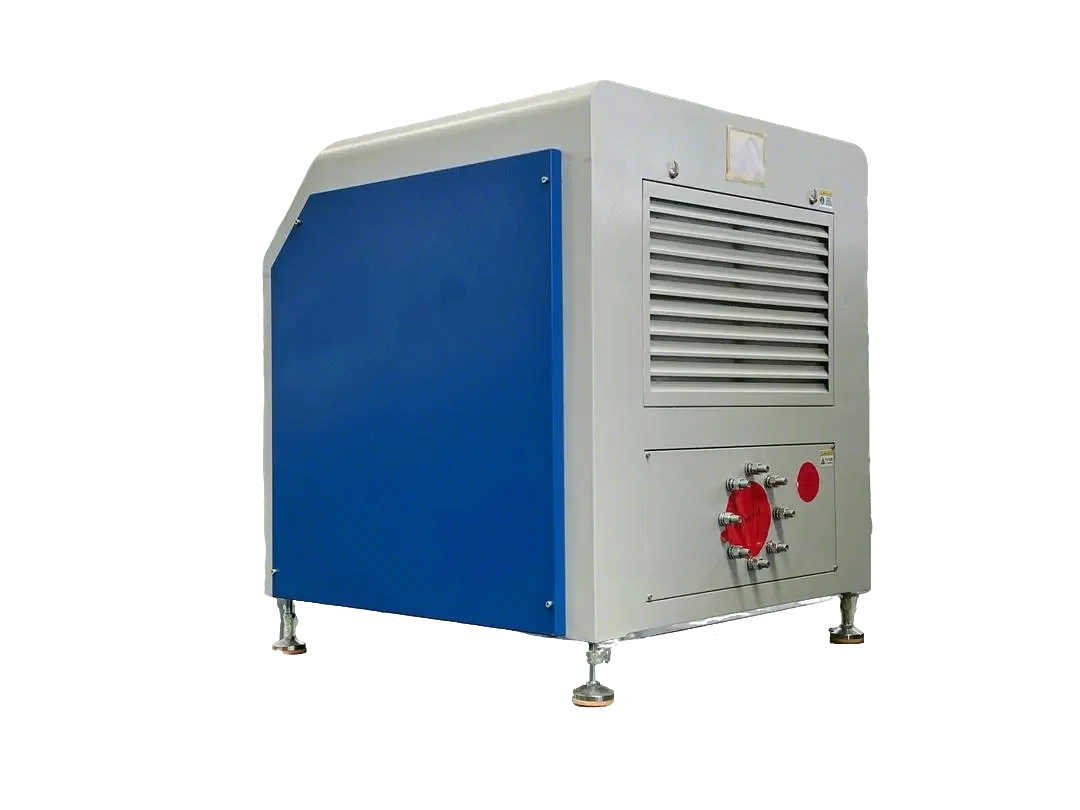
Continuous industrial operations demand equipment that delivers both reliability and cost efficiency over extended periods. An air suspension blower stands out as a strategic investment that significantly reduces total lifecycle costs while maintaining consistent performance. Unlike conventional pneumatic systems, this technology integrates advanced suspension principles with air delivery mechanisms, creating a synergistic approach to operational expense reduction. Understanding how an air suspension blower functions and impacts your bottom line requires examining energy efficiency, maintenance demands, component longevity, and real-world deployment scenarios.
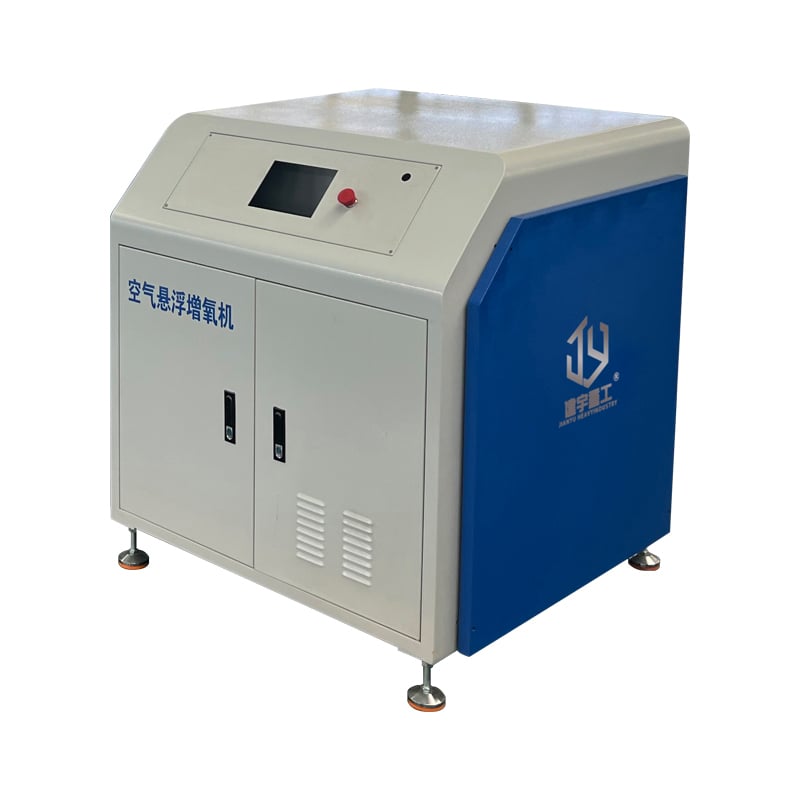
The lifecycle cost framework extends far beyond initial purchase price. When industrial facilities operate equipment continuously across multiple shifts and seasons, cumulative expenses for energy consumption, component replacement, downtime, and maintenance labor become the true cost drivers. An air suspension blower optimizes this entire cost structure through intelligent design that balances pneumatic efficiency with mechanical resilience. By examining how this technology performs under demanding conditions, operators can make informed decisions that protect profitability and operational continuity.
Energy Efficiency and Operational Savings
Reduced Power Consumption
An air suspension blower minimizes energy draw through optimized blade geometry and suspended motor mounting that reduces vibration losses. Traditional blowers experience significant efficiency degradation due to friction-induced wear and inefficient pressure distribution. The air suspension compressor pump design compensates for pressure fluctuations dynamically, maintaining optimal motor speed without excessive energy demands. For facilities running blowers across 24-hour production cycles, annual electricity savings often reach 15 to 25 percent compared to rigid-mount competitors. This translates directly to measurable reductions in operational expense budgets and improved facility carbon footprint metrics.
Pressure Stability and System Load
Consistent pressure output protects downstream equipment and reduces stress on pneumatic leveling system components. When blowers deliver erratic pressure, auxiliary equipment works harder to compensate, consuming additional energy and experiencing accelerated wear. An air suspension blower maintains precise pressure bands, preventing the downstream strain that forces compressor pump cycles to work beyond optimal ranges. This stability means fewer emergency pressure adjustments, lower peak demand charges from utilities, and extended intervals between equipment replacements. Industrial users report 30 to 40 percent reductions in unexpected system stoppages when deploying suspension-based air delivery architectures.
Extended Equipment Lifespan and Maintenance Efficiency
Reduced Mechanical Stress
The suspension mechanism isolates the blower motor from structural vibrations that typically degrade bearings and accelerate component fatigue. Continuous vibration exposure in traditional installations creates cumulative damage patterns that shorten motor lifespan by 4 to 7 years. An air suspension blower distributes mechanical loads evenly across suspension points, preventing stress concentration at fasteners, bearings, and seals. This distributed loading approach extends motor life to 12 to 15 years under continuous operation, versus 5 to 8 years for conventional rigid installations. Component replacement intervals expand proportionally, reducing both parts inventory requirements and labor hours consumed by preventive maintenance routines.
Simplified Troubleshooting and Downtime Prevention
Pneumatic leveling system troubleshooting becomes more straightforward when baseline equipment operates within predictable parameters. An air suspension blower generates consistent diagnostic signatures, allowing maintenance teams to identify emerging issues through trend analysis rather than reactive repair. When pressure readings, temperature profiles, and vibration patterns remain stable, deviations signal specific component problems before catastrophic failure occurs. This predictability transforms maintenance from reactive crisis management to proactive planning, reducing unscheduled downtime by 25 to 35 percent. Facilities can schedule maintenance during planned production gaps rather than halting operations during critical shifts, protecting revenue and customer commitments.
Total Cost of Ownership Advantages
Installation and Integration Cost Reduction
An air suspension blower requires less structural reinforcement compared to rigid-mount alternatives that demand heavy foundation work to mitigate vibration transmission. Initial installation costs typically decline by 15 to 20 percent because suspension systems absorb movement internally rather than requiring external damping infrastructure. Facility modifications remain minimal, allowing faster deployment and lower project overhead. The vehicle ride height adjustment principles underlying suspension technology translate directly to industrial applications, where equipment floating on pneumatic isolators eliminates costly concrete work and reduces the timeline from equipment arrival to production startup.
Scalability and Future Flexibility
As production demands fluctuate, an air suspension compressor pump system adapts without requiring major infrastructure overhauls. Traditional blower installations often reach capacity limits that force expensive replacement or parallel installation of additional rigid-mount units. The suspension architecture maintains efficiency across broader load ranges, allowing gradual capacity scaling through control system adjustments rather than hardware replacement. This flexibility preserves capital investment longevity and reduces the financial impact of production changes. Industrial operators planning 10 to 15 year equipment lifecycles benefit substantially from this adaptive capacity, avoiding the expense and complexity of multiple replacement cycles.
Real-World Application and Decision Framework
Continuous Process Industries
Manufacturing plants, wastewater treatment facilities, and food processing operations experience the most dramatic cost reductions with air suspension blower technology. These environments demand uninterrupted air supply 24 hours daily, amplifying both the energy savings and downtime prevention benefits. A pneumatic leveling system troubleshooting protocol becomes predictable and manageable when the baseline equipment performs consistently. Operators report achieving full cost recovery on air suspension blower investments within 3 to 5 years through combined energy and maintenance savings alone.
Seasonal and Variable Demand Applications
Industries with fluctuating air demands gain additional advantages from suspension-based systems. The vehicle ride height adjustment concept underlying this technology means the blower automatically optimizes performance across varying load profiles without manual intervention. Peak efficiency maintenance across diverse operating conditions protects profitability even when production requirements shift unexpectedly. Agricultural processors, seasonal manufacturing facilities, and climate-dependent operations particularly benefit from this adaptive efficiency characteristic.
FAQ
What specific maintenance intervals change when installing an air suspension blower compared to conventional models?
Bearing inspection intervals extend from annual to 24-month cycles, seal replacement moves from 3-4 years to 6-8 years, and oil change frequency decreases due to reduced oxidative stress. An air suspension compressor pump generates less heat through improved efficiency, directly extending lubricant life. Vibration-related fastener checks become annual visual inspections rather than quarterly maintenance tasks, significantly reducing labor requirements and supporting budgeted cost reduction targets.
How does an air suspension blower prevent the pressure spikes that damage downstream pneumatic equipment?
The suspension mechanism maintains constant motor speed despite minor load fluctuations, producing steady pressure output that eliminates the surge patterns typical of rigid-mount blowers responding to system resistance changes. Pneumatic leveling system designs inherently smooth pressure delivery because the suspension absorbs transient impulses before they propagate downstream. This protection extends the lifespan of regulators, solenoid valves, and pneumatic actuators, compounding the total cost reduction across your entire air distribution network.
Can an existing facility retrofit an air suspension blower into current pneumatic infrastructure without replacing piping or control systems?
Yes, an air suspension blower integrates into standard pneumatic architectures as a direct replacement for conventional models, requiring only mechanical mounting modifications and electrical connection updates. Vehicle ride height adjustment technology translates to industrial settings by requiring minimal auxiliary equipment changes. Most retrofits complete within 2 to 3 days, allowing operations to resume quickly and avoiding the extensive downtime and expense associated with system redesign.
Table of Contents
- Energy Efficiency and Operational Savings
- Extended Equipment Lifespan and Maintenance Efficiency
- Total Cost of Ownership Advantages
- Real-World Application and Decision Framework
-
FAQ
- What specific maintenance intervals change when installing an air suspension blower compared to conventional models?
- How does an air suspension blower prevent the pressure spikes that damage downstream pneumatic equipment?
- Can an existing facility retrofit an air suspension blower into current pneumatic infrastructure without replacing piping or control systems?