
 EN
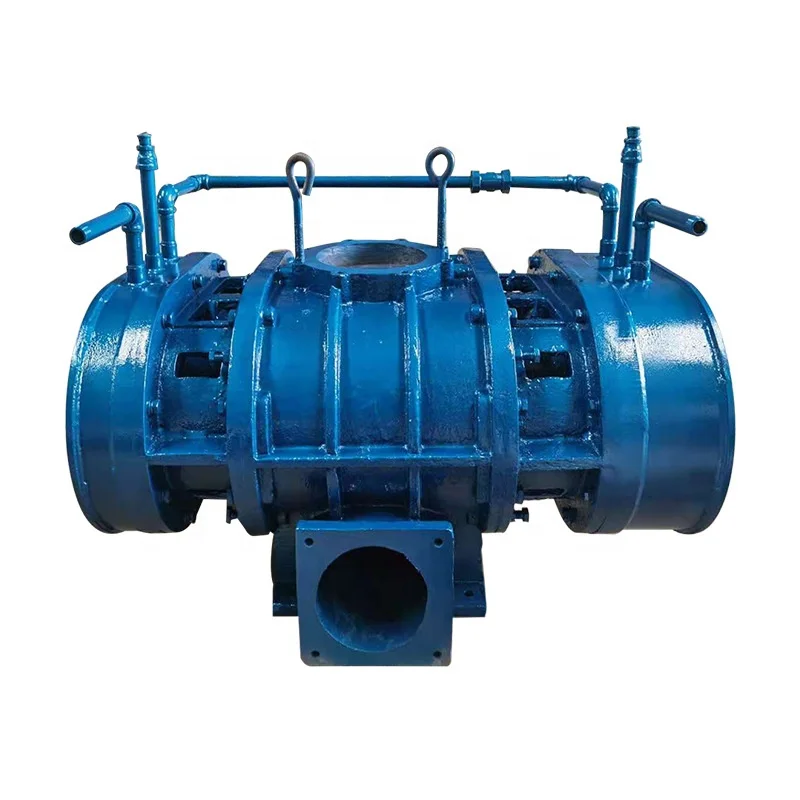
A roots vacuum pump represents one of the most critical components in modern industrial vacuum systems, delivering consistent performance across diverse applications. These positive displacement pumps have become the backbone of manufacturing processes, laboratory operations, and specialized industrial environments where reliable vacuum generation is non-negotiable. Understanding why a roots vacuum pump is used in industrial vacuum systems requires examining both the mechanical principles that drive their effectiveness and the practical advantages they deliver in real-world operating conditions.
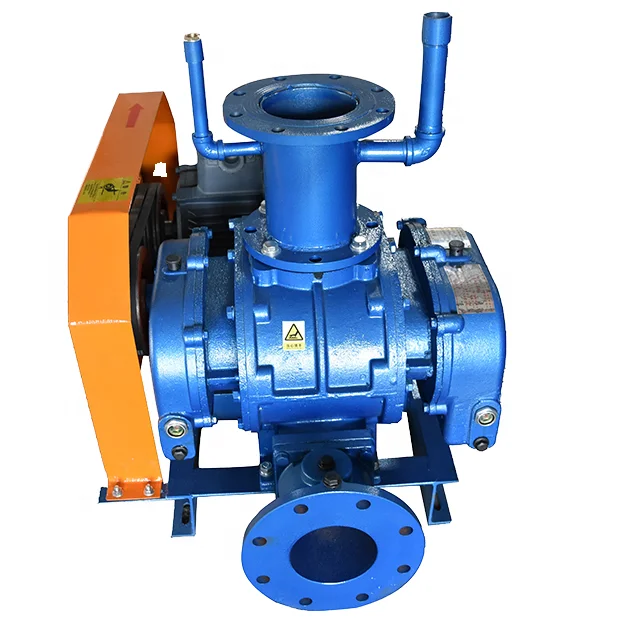
The roots vacuum pump operates through synchronized twin rotors that trap and compress gas, moving it from the inlet to the discharge port without any internal compression stage. This straightforward yet effective design provides significant advantages over alternative vacuum technologies, making rotary lobe vacuum pump applications increasingly common across industrial sectors. The reliability, efficiency, and scalability of these systems explain their dominance in facilities ranging from food processing plants to semiconductor manufacturing environments.
Core Operating Principles and Design Advantages
Positive Displacement Mechanism and Consistent Performance
The roots vacuum pump functions as a positive displacement device, meaning it moves a fixed volume of gas with each rotation cycle regardless of pressure conditions. Unlike centrifugal pumps that depend on impeller speed and pressure differentials, this mechanism ensures predictable evacuation rates across varying operational scenarios. The twin rotor design creates sealed cavities that expand and contract in a synchronized pattern, drawing gas into the pump chamber and forcing it toward the discharge outlet without allowing backflow or internal gas mixing.
This fundamental design characteristic provides rotary lobe vacuum pump applications with superior reliability when handling fluctuating inlet pressures and diverse gas compositions. Industrial facilities benefit from consistent volumetric flow rates that remain stable across the operating envelope, reducing the need for complex control systems and allowing simpler process integration. The absence of internal compression means lower operational stress on mechanical components, extending service intervals and reducing maintenance costs compared to other vacuum pump technologies.
Oil Management and Vacuum Pump Oil Specifications
Proper lubrication is essential for roots vacuum pump longevity, and vacuum pump oil specifications play a direct role in system performance and component lifespan. The oil circulates through bearing journals, gear meshes, and rotor surfaces, providing cooling, sealing, and wear protection in the pump chamber. Industrial applications demand high-quality lubricants formulated to resist oxidation, maintain viscosity stability across temperature ranges, and minimize vapor pressure to prevent contamination of evacuated gases or process environments.
Selecting the correct vacuum pump oil specifications involves understanding the pump manufacturer's recommendations, the specific industrial application requirements, and environmental operating conditions. Synthetic formulations often provide superior thermal stability and lower volatility compared to mineral oils, particularly in continuous-duty applications or systems requiring rapid temperature changes. The choice between oil types directly affects vacuum pump performance curves, energy efficiency, and the cleanliness of the evacuated space, making proper oil selection a critical operational decision for industrial facilities.
Industrial Applications and Performance Characteristics
Diverse Sector Applications and Market Expansion
Rotary lobe vacuum pump applications span a remarkable range of industrial sectors, from chemical manufacturing to pharmaceutical processing, automotive production, and environmental treatment systems. Food and beverage production facilities utilize these pumps for packaging, dehydration, and preservation processes that depend on controlled vacuum environments. The semiconductor and electronics industries rely on roots vacuum pump technology for chamber evacuation, substrate processing, and controlled atmosphere manufacturing operations.
Each industrial sector demands specific performance characteristics, yet the fundamental reliability of roots vacuum pump technology makes it the preferred choice across these diverse applications. The ability to handle varying inlet conditions, moderate contamination levels, and thermal stress without sacrificing efficiency has established these pumps as industry standards. Water treatment facilities, mining operations, and laboratory research centers all depend on rotary lobe vacuum pump applications for mission-critical evacuation tasks where downtime directly impacts operational and financial performance.
Performance Metrics and Vacuum Pump Performance Curves
Understanding vacuum pump performance curves is essential for selecting appropriate equipment and predicting system behavior across operating ranges. These curves illustrate the relationship between inlet pressure, pumping speed, and gas flow rates, providing critical data for process engineers designing evacuation systems. The characteristic shape of vacuum pump performance curves for roots pumps typically shows constant volumetric displacement across the operating envelope until inlet pressure approaches atmospheric conditions, where the curve may show slight variations depending on rotor clearances and bearing design.
Industrial facilities must evaluate vacuum pump performance curves in conjunction with process requirements, calculating the necessary pump size, operating speed, and power consumption for specific applications. The curves reveal how temperature changes, inlet gas composition, and discharge pressure conditions affect pump efficiency and output capacity. By analyzing these performance metrics, engineering teams can optimize system design, select appropriate motor sizing, and establish maintenance schedules that maximize reliability while minimizing operational expenses.
Advantages Over Alternative Technologies
Comparison with Other Vacuum Generation Methods
While various vacuum technologies exist, the roots vacuum pump consistently outperforms alternatives in mid-range vacuum applications where substantial gas handling capacity and reliability are paramount. Centrifugal pumps require high speed operation and offer less consistent performance across pressure ranges, making them less suitable for many industrial processes. Turbomolecular pumps excel at generating ultra-high vacuum but consume significant power and require complex control systems, making them impractical for applications where the roots vacuum pump provides adequate vacuum levels at lower operational costs.
The simplicity of roots vacuum pump design translates to lower initial acquisition costs, reduced maintenance requirements, and superior reliability compared to more sophisticated alternatives. Unlike ejector systems that depend on motive fluid supply and entrainment efficiency, or rotary vane pumps that suffer rapid wear in demanding applications, the rotary lobe vacuum pump design minimizes contact between moving parts and evacuated gas. This characteristic makes the technology exceptionally suitable for contaminated gas streams, humid environments, and corrosive applications where other pump types would rapidly degrade.
Energy Efficiency and Operational Cost Considerations
Industrial decision-makers increasingly focus on energy efficiency metrics when evaluating vacuum systems, and the roots vacuum pump demonstrates significant advantages in power consumption relative to generated vacuum performance. The straightforward positive displacement mechanism requires less power than centrifugal technologies operating at equivalent flow rates, and the consistent vacuum pump performance curves allow operators to match pump size precisely to application requirements without oversizing. This optimization reduces electrical demand, lowers operational expenses, and contributes to industrial sustainability initiatives.
Maintenance cost considerations further enhance the economic case for roots vacuum pump technology in industrial settings. The robust design withstands extended operating periods without component degradation, and vacuum pump oil specifications can be managed to extend drain intervals and reduce consumable expenses. Industrial facilities implementing preventive maintenance programs based on manufacturer recommendations typically experience lower total cost of ownership compared to alternative vacuum technologies requiring more frequent service interventions.
FAQ
What makes roots vacuum pumps ideal for industrial vacuum systems compared to other pump types?
Roots vacuum pumps excel in industrial applications because they combine positive displacement reliability with straightforward mechanical design, consistent vacuum pump performance curves across operating ranges, and lower energy consumption compared to alternatives. Their ability to handle moderate contamination, varying inlet pressures, and thermal stress without sacrificing efficiency makes them the preferred choice for diverse manufacturing processes. The simplicity of rotary lobe vacuum pump applications reduces maintenance requirements and operational complexity, directly lowering total cost of ownership for industrial facilities.
How do vacuum pump oil specifications affect the performance and longevity of roots vacuum pumps?
Vacuum pump oil specifications directly influence cooling efficiency, sealing capability, component wear rates, and the cleanliness of evacuated gases in roots vacuum pump systems. High-quality lubricants formulated to resist oxidation and maintain viscosity stability across temperature ranges protect bearings, gear meshes, and rotor surfaces while minimizing vapor pressure that could contaminate processes. Selecting appropriate oil types—whether mineral or synthetic formulations—based on manufacturer recommendations and specific industrial application requirements ensures optimal vacuum pump performance curves, extended service intervals, and reliable long-term system operation.
How can industrial facilities optimize their vacuum system design using vacuum pump performance curves?
Industrial engineers utilize vacuum pump performance curves to select appropriate pump sizes, determine required operating speeds, calculate power consumption, and predict system behavior across anticipated pressure ranges and gas composition variations. These curves reveal how inlet pressure, temperature changes, and discharge conditions affect pumping speed and efficiency, enabling precise matching of equipment capacity to actual process requirements. By analyzing vacuum pump performance curves in conjunction with process specifications, facilities can optimize system design, avoid costly oversizing, establish realistic maintenance schedules, and achieve maximum reliability while minimizing operational expenses throughout the system lifecycle.