
 EN
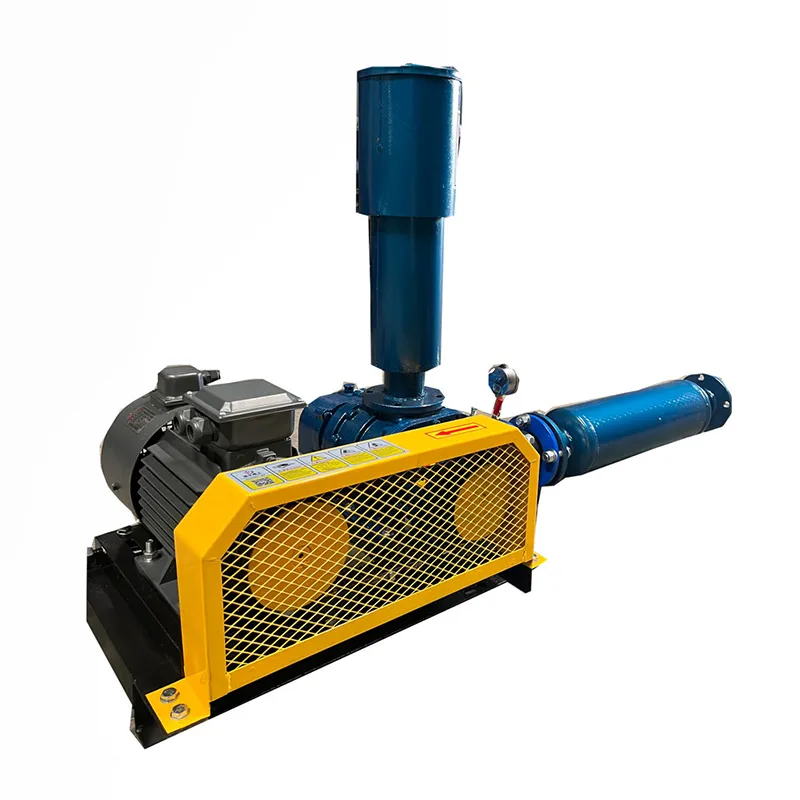
Choosing the right aquaculture roots blower is one of the most critical decisions in establishing a productive fish farming operation. The blower you select directly impacts dissolved oxygen levels, water quality, fish health, and ultimately your production yield and profitability. Unlike generic industrial blowers, pond aeration equipment designed for fish farms must balance consistent airflow, energy efficiency, low maintenance, and reliability under demanding aquatic conditions.
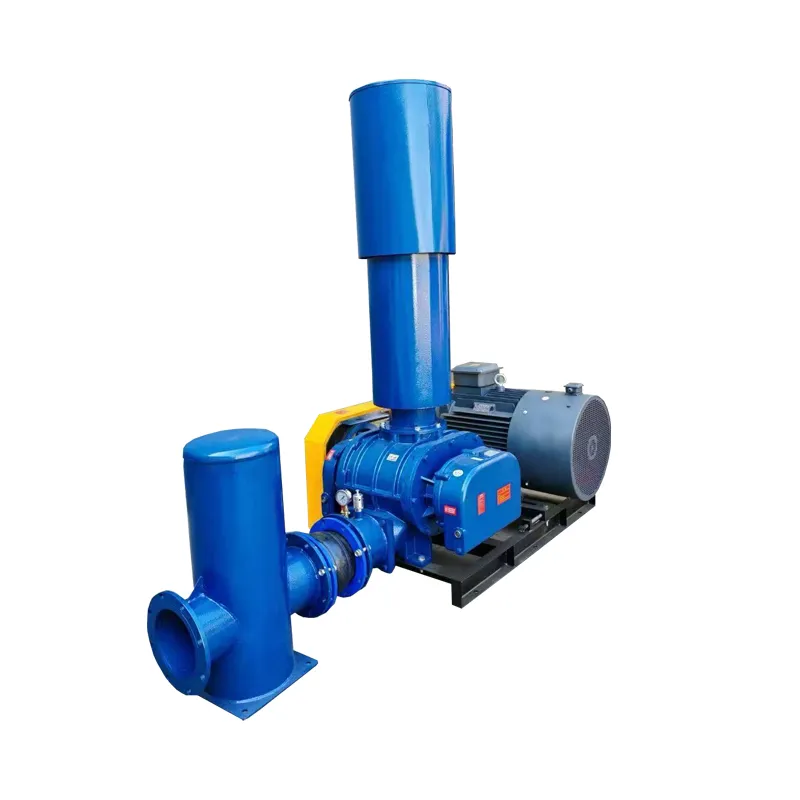
Fish farm oxygen systems require specialized equipment because aquaculture environments present unique challenges including continuous operation demands, exposure to water spray and humidity, and the need for precise control over dissolved oxygen concentration. Understanding the key selection criteria before purchasing pond aeration equipment ensures you invest in a solution that performs reliably for years while minimizing operational costs and downtime.
Understanding Your Fish Farm Oxygen System Requirements
Assessing Pond Size and Water Volume
The capacity of your fish farm oxygen systems depends fundamentally on pond volume, fish density, and species requirements. A shallow ornamental koi pond operates under different oxygen demands than a large commercial catfish operation or tilapia farm. Calculate your total water volume accurately and determine the target dissolved oxygen level your species requires, typically ranging from five to eight parts per million for most commercial fish.
Your pond aeration equipment must deliver sufficient air volume to maintain these oxygen concentrations even during peak water temperature when oxygen solubility decreases and fish stress increases. An undersized blower creates chronic oxygen depletion, reducing growth rates and increasing disease susceptibility. Oversizing wastes energy and accelerates equipment wear, making accurate volume assessment essential before selecting an aquaculture roots blower for your operation.
Determining Required Airflow and Pressure
Airflow requirements in cubic meters per hour or cubic feet per minute directly correlate with pond depth, surface area, and aeration method. Surface aerators need moderate airflow with lower pressure, while subsurface systems using diffusers require higher pressure to push air through tubing and into the water column effectively. Aquaculture water circulation pumps often work alongside roots blowers to optimize both circulation and oxygenation simultaneously.
Fish farm oxygen systems typically require between 0.5 to 2 cubic meters of air per cubic meter of water per hour, depending on stocking density and target oxygen levels. Calculate this requirement based on your specific operation, then add a safety margin of 15 to 20 percent to account for seasonal variations and growth cycles. This calculation ensures your pond aeration equipment maintains consistent performance without strain.
Key Technical Specifications for Roots Blower Selection
Pressure Rating and Depth Capability
Pressure specifications determine how deep your aquaculture roots blower can push air into the water column. Shallow systems using surface aerators need only 5 to 10 kilopascals of pressure, while deep ponds requiring subsurface diffuser systems need 30 to 80 kilopascals or higher. Pressure requirements increase proportionally with water depth because the blower must overcome hydrostatic pressure plus friction losses in the delivery tubing system.
Your pond aeration equipment selection must match the actual depth and configuration of your farm. A blower rated for shallow water will lose efficiency or fail completely if forced to operate against higher pressure demands. Conversely, excessive pressure capability increases equipment cost and energy consumption unnecessarily, reducing return on investment for your fish farm oxygen systems.
Motor Power and Energy Efficiency
The motor driving your aquaculture roots blower represents the largest ongoing operational expense in your pond aeration equipment system. Electric motors typically consume three-phase or single-phase power depending on farm size and available electrical infrastructure. Energy efficiency becomes critical in facilities running blowers continuously or near-continuously, where even modest efficiency gains translate to thousands of dollars in annual savings across aquaculture water circulation pumps and related equipment.
Modern fish farm oxygen systems offer variable frequency drive technology that adjusts motor speed based on actual oxygen demand, reducing energy waste during low-demand periods. While initial cost increases, VFD-equipped blowers significantly lower lifetime operational expenses and provide better oxygen control precision, extending fish survival rates and reducing stress-related disease outbreaks.
Durability, Maintenance, and Environmental Factors
Material Construction and Corrosion Resistance
Aquaculture environments expose pond aeration equipment to constant moisture, salt spray in coastal operations, and chemically treated water. Standard cast iron components corrode quickly, making corrosion-resistant materials essential for reliable fish farm oxygen systems. Stainless steel housings, aluminum components, or specialized coatings protect your aquaculture roots blower from deterioration while maintaining efficiency throughout its operational lifespan.
Internal materials matter equally because humid, corrosive air carries particulates and salt deposits that accumulate inside the blower. Select rotors and internal components manufactured from materials rated specifically for marine or aquatic environments. This attention to construction quality directly impacts maintenance frequency and extends the service life of your pond aeration equipment significantly compared to general-purpose industrial blowers.
Maintenance Requirements and Spare Parts Availability
Your aquaculture water circulation pumps and aeration equipment require regular maintenance including filter cleaning, seal inspection, and bearing lubrication. Choose an aquaculture roots blower model from manufacturers that provide readily available spare parts, comprehensive maintenance documentation, and responsive technical support. Equipment designed specifically for fish farming operations typically includes features like accessible filter housings and modular components that simplify scheduled maintenance.
Downtime during equipment failure costs money through fish mortality, reduced production, and emergency replacement expenses. Fish farm oxygen systems from reputable manufacturers include detailed maintenance schedules, clear troubleshooting guides, and networks of qualified service technicians. These support systems prevent extended outages and ensure your pond aeration equipment operates reliably season after season, protecting your farm investment and animal welfare standards.
FAQ
What airflow capacity should I choose for my aquaculture roots blower?
Calculate airflow based on your pond volume, fish stocking density, and species requirements. Most fish farm oxygen systems operate with 0.5 to 2 cubic meters of air per cubic meter of water per hour. Add 15 to 20 percent capacity margin to your calculated requirement. For example, a 100 cubic meter pond stocked at medium density typically needs a 60 to 80 cubic meter per hour blower. Consult species-specific oxygen requirements and your local aquaculture extension service for precise recommendations tailored to your pond aeration equipment selection.
How does water depth affect aquaculture roots blower pressure requirements?
Pressure requirements increase significantly with water depth because the blower must overcome hydrostatic pressure plus friction losses in delivery tubing. Shallow systems using surface aerators need only 5 to 10 kilopascals, while deep subsurface diffuser systems require 30 to 80 kilopascals or higher. Calculate your maximum operating depth, then select fish farm oxygen systems and pond aeration equipment rated for pressure specifications exceeding your calculated requirements by 20 percent to ensure reliable operation under peak demand conditions.
What makes an aquaculture roots blower different from a general industrial blower?
Aquaculture-specific pond aeration equipment features corrosion-resistant materials, salt-spray tolerant construction, and components designed for continuous wet-environment operation. General industrial blowers lack these specialized materials and typically corrode rapidly in aquatic settings. Additionally, fish farm oxygen systems include optimized blade designs for consistent airflow at lower pressure ranges typical of aquaculture applications. Aquaculture water circulation pumps and dedicated aeration blowers are engineered to withstand humidity, particulates, and chemical treatments present in farming environments, ensuring durability and reliability that generic industrial equipment cannot provide.