 EN
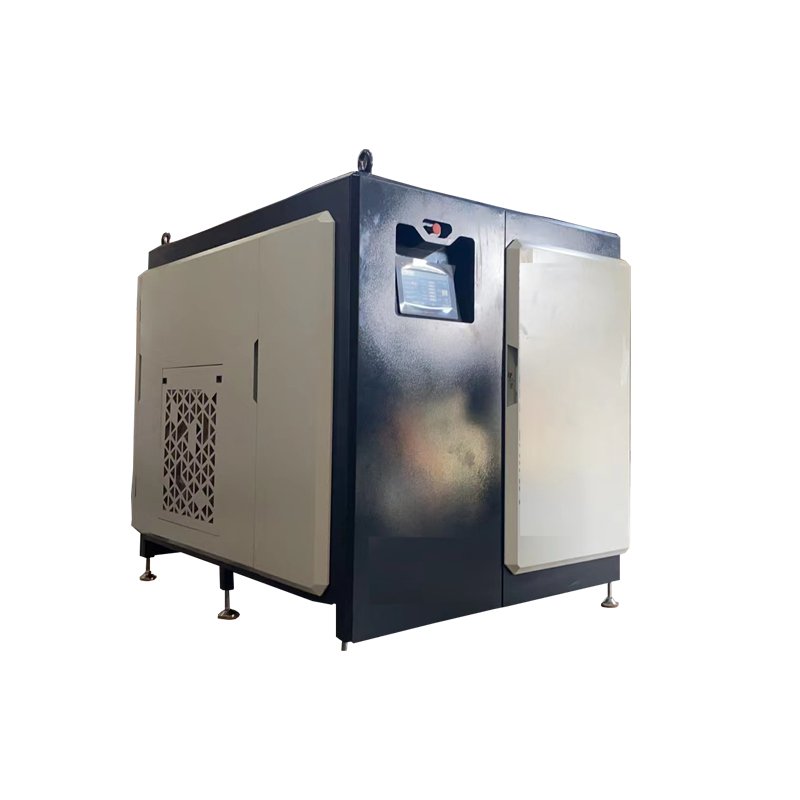
Industrial blower technology has evolved significantly over the past decade, and understanding the differences between magnetic levitation blower systems and traditional air bearing blowers is essential for operational efficiency. Both technologies eliminate mechanical contact between the rotor and stator, but they achieve this goal through fundamentally different approaches. A magnetic levitation blower uses electromagnetic forces to suspend the rotor without physical contact, while air bearing blowers rely on pressurized air films to create separation. The choice between these two technologies impacts energy consumption, maintenance requirements, reliability, and long-term operating costs in your facility.
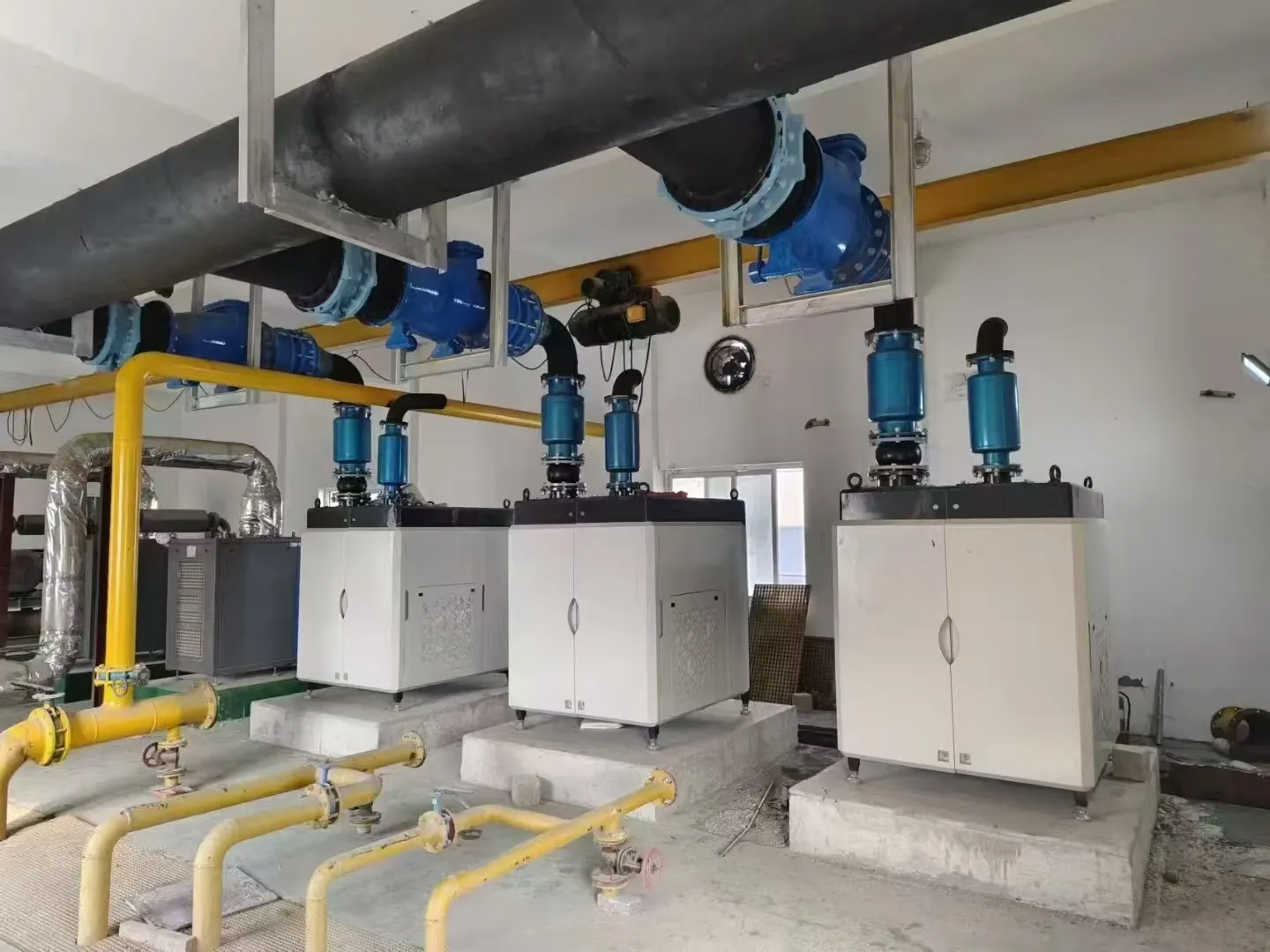
Selecting the right blower type requires a clear understanding of how each system operates under real-world conditions. Bearingless blower motor technology has transformed industrial applications by eliminating friction losses and reducing heat generation. Magnetic suspension pump systems represent a sophisticated engineering approach that integrates active control systems to maintain rotor position. Contactless rotor cooling solutions in both technologies prevent contamination and extend component life. This article explores the key differences, advantages, and practical considerations for each technology to help you make an informed decision.
Understanding Magnetic Levitation Blower Systems
How Magnetic Suspension Works
A magnetic levitation blower operates using active electromagnetic suspension that continuously monitors rotor position and adjusts magnetic forces in real time. Unlike passive systems, this technology requires a sophisticated control system that responds to rotor movement thousands of times per second. The rotor floats within a gap created entirely by magnetic forces, eliminating all mechanical friction. Bearingless blower motor technology using this principle delivers exceptional energy efficiency because the rotor never makes contact with stationary components. This active control mechanism provides superior stability compared to passive solutions, especially under varying load conditions.
Performance and Energy Efficiency
Magnetic suspension pump systems achieve remarkable efficiency gains by eliminating friction losses entirely. Studies across industrial facilities show that magnetic levitation blower installations reduce energy consumption by twenty to thirty percent compared to conventional bearing systems. The contactless rotor cooling solutions integrated into these designs prevent heat buildup and maintain consistent performance throughout extended operating periods. Temperature control remains precise because cooling air flows freely around the rotor without obstruction, and the absence of bearing friction eliminates a major heat source. Applications requiring continuous operation benefit significantly from this thermal stability.
Air Bearing Blower Technology and Capabilities
Mechanical Design and Operation
Air bearing blowers utilize pressurized air jets to create thin films that suspend the rotor above stationary surfaces. This passive system requires a stable supply of clean, dry pressurized air to maintain the air films that prevent contact. The rotor design incorporates precision pockets and grooves that distribute air pressure evenly across bearing surfaces. Bearingless blower motor technology in air bearing form operates reliably in environments where magnetic interference must be minimized or where mechanical simplicity is preferred. The system requires less sophisticated control electronics compared to active magnetic systems, which can reduce initial capital investment.
Operating Characteristics and Limitations
Air bearing blowers perform well under stable operating conditions but face challenges when load or speed varies significantly. The air film thickness depends directly on pressure differential and rotor speed, creating operational windows where performance remains optimal. If supply pressure drops or operating conditions change suddenly, bearing films may collapse and cause contact damage. Magnetic suspension pump systems eliminate this vulnerability by maintaining rotor position regardless of speed fluctuations. Contactless rotor cooling in air bearing designs depends on continuous air circulation, which consumes energy and requires ongoing air supply infrastructure maintenance.
Comparative Analysis and Selection Criteria
Reliability and Maintenance Impact
Magnetic levitation blower systems require minimal maintenance because no mechanical contact occurs and no wear mechanisms exist. The active control system continuously monitors and reports system status, enabling predictive maintenance strategies. Over a ten-year operating period, magnetic systems typically show lower total cost of ownership despite higher initial purchase prices. Air bearing blowers need regular maintenance of air supply systems, including compressor service, filter replacement, and air line inspection. Bearingless blower motor technology using magnetic suspension eliminates planned bearing replacement schedules entirely, reducing downtime and spare parts inventory requirements.
Application-Specific Suitability
High-speed applications requiring smooth, vibration-free operation favor magnetic levitation blower technology because active suspension provides superior load-sharing. Facilities with existing compressed air infrastructure may find air bearing blowers more cost-effective for retrofit installations. Magnetic suspension pump systems excel in pharmaceutical, semiconductor, and food processing industries where contamination risk must be minimized. Contactless rotor cooling solutions in both technologies protect product quality by preventing bearing material shedding and contamination. Industries with variable-speed requirements or frequent start-stop cycles benefit from magnetic systems' superior control and stability characteristics.
FAQ
What maintenance does a magnetic levitation blower require compared to air bearing blowers?
Magnetic levitation blower systems require significantly less maintenance because they have no mechanical wear surfaces and no bearing components to replace. Air bearing blowers require regular servicing of compressors, air filters, and supply lines to maintain system reliability. Both systems need periodic inspections and bearing film or suspension quality checks, but magnetic systems eliminate the recurring bearing replacement costs associated with traditional designs and air bearing installations. This makes magnetic suspension pump systems particularly attractive for facilities seeking reduced operational overhead.
Can a magnetic levitation blower operate reliably in dirty or contaminated environments?
Magnetic levitation blower technology performs exceptionally well in contaminated environments because contactless rotor cooling prevents bearing material contamination entirely. The sealed design eliminates particle ingress and protects rotor surfaces from corrosive substances. Air bearing blowers face greater challenges in dirty environments because contaminated air can damage bearing films and increase wear. Bearingless blower motor technology using magnetic suspension provides superior protection for sensitive applications and facilities with challenging environmental conditions where air quality cannot be guaranteed.
How do the initial costs and long-term operating expenses compare?
Magnetic levitation blower systems typically cost twenty to forty percent more upfront than conventional air bearing blowers, but lower energy consumption and minimal maintenance make them more economical over five to ten year periods. Air bearing blowers offer lower initial capital requirements but generate higher ongoing operating and maintenance expenses. Total cost analysis should include energy consumption, maintenance labor, spare parts, and system downtime across the expected operating life. Magnetic suspension pump systems deliver superior value in high-utilization applications, while air bearing installations may be more appropriate for seasonal or intermittent operations where contact rotor cooling solutions prove less cost-effective.