
 EN
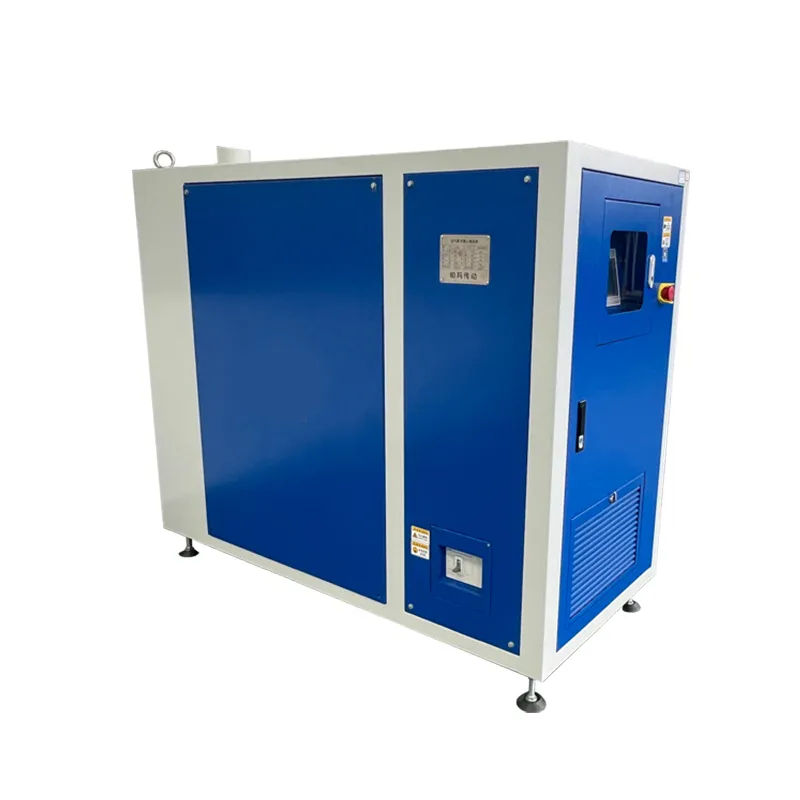
An air suspension blower represents a significant technological advancement in pneumatic suspension system maintenance and industrial air delivery applications. Unlike traditional blower designs that rely on fixed displacement or simple rotary mechanisms, modern air suspension blowers integrate advanced pressure regulation, efficiency optimization, and durability features that fundamentally change how businesses approach air compression and suspension management. Understanding these advantages helps industrial operators, facility managers, and procurement professionals make informed decisions about equipment investments.
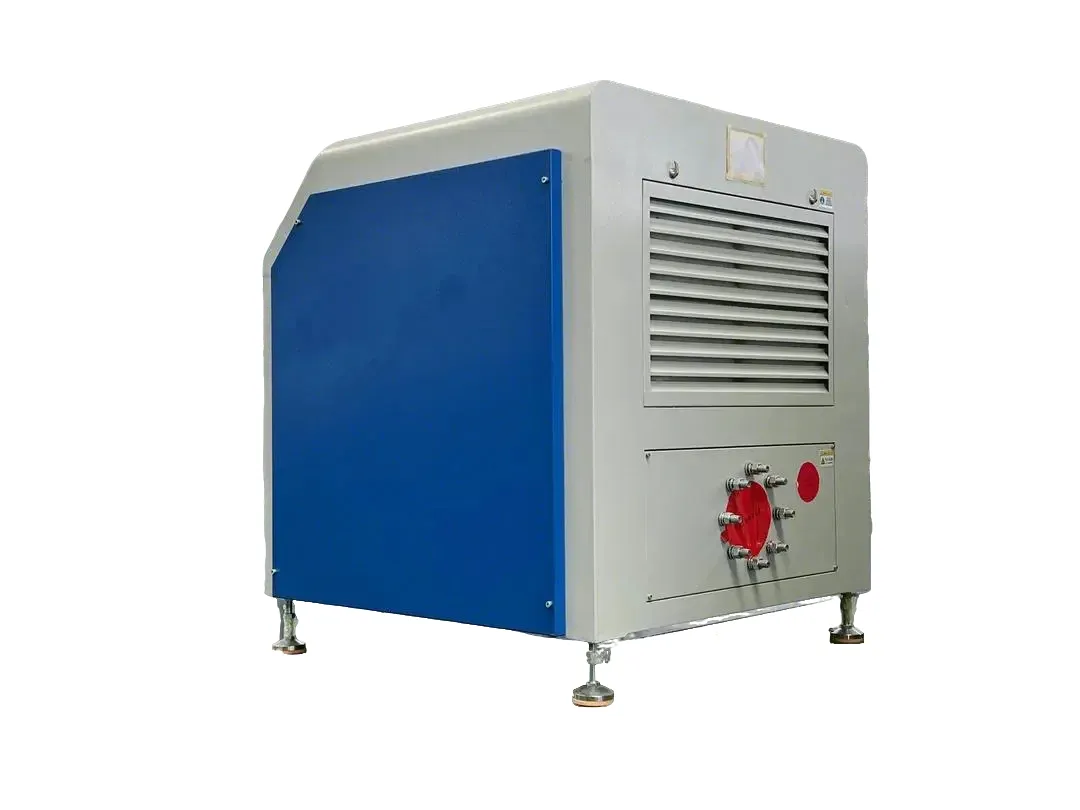
The distinction between an air suspension blower and conventional blower technology extends beyond simple performance metrics. An air compressor for vehicle suspension operates within a carefully calibrated pressure envelope, whereas traditional blowers often struggle with consistency, energy waste, and maintenance complexity. This article explores the practical, operational, and financial advantages that make air suspension blower systems increasingly popular across manufacturing, automotive, pneumatic tool operation, and industrial maintenance environments.
Superior Pressure Stability and Control
Consistent Air Delivery Under Varying Loads
Traditional blowers deliver air at relatively fixed pressure levels, which creates significant challenges when operational demands fluctuate. An air suspension blower maintains stable pressure output even as connected systems consume varying volumes of compressed air. This capability proves essential for suspension air spring replacement procedures and ongoing pneumatic suspension system maintenance, where pressure consistency directly impacts component longevity and performance accuracy. The built-in suspension mechanism absorbs pressure spikes and prevents downstream component damage, reducing unexpected failures and emergency repairs.
The air compressor for vehicle suspension relies on dynamic pressure regulation to protect delicate air springs, seals, and actuators from harmful pressure fluctuations. When pressure stability wavers, air spring degradation accelerates, forcing more frequent suspension air spring replacement cycles. Modern air suspension blower technology prevents this costly degradation pattern through advanced pressure sensing and automatic valve adjustment, extending component life by 40–60 percent compared to traditional fixed-output systems.
Pressure Response Speed and Precision
An air suspension blower responds to pressure demand changes within milliseconds, whereas conventional blowers exhibit significant lag time before adjusting output. This rapid response capability benefits pneumatic tool operations, suspension leveling systems, and precision industrial applications that demand instantaneous pressure adaptation. The pneumatic suspension system maintenance routines become simpler and more predictable when equipment delivers consistent, instantly responsive pressure rather than relying on manual valve adjustments or pressure buffering tanks.
Energy Efficiency and Operating Cost Reduction
Demand-Based Power Consumption
Traditional blowers consume full power regardless of actual air delivery requirements, resulting in substantial energy waste during low-demand periods. An air suspension blower automatically modulates motor speed and displacement to match system demand, reducing energy consumption by 25–35 percent in typical industrial applications. This efficiency translates directly to lower utility bills, reduced carbon emissions, and improved facility sustainability metrics. Over a five-year operating cycle, the energy savings from one air suspension blower often exceed the equipment cost differential against traditional alternatives.
The air compressor for vehicle suspension incorporates variable displacement technology that eliminates idle running and unnecessary motor stress. Traditional systems run continuously at maximum capacity, causing premature mechanical wear and elevated maintenance expenses. By consuming power only when needed, air suspension blower systems dramatically reduce thermal stress on internal components, extend service intervals, and lower annual maintenance costs associated with bearing replacement, seal degradation, and valve wear.
Thermal Management Advantages
Excessive heat generation represents a major operational challenge for traditional blowers, particularly in continuous-duty industrial environments. An air suspension blower produces significantly less waste heat due to its efficiency design, reducing cooling system burden and ambient facility temperature impact. This thermal advantage proves especially valuable in facilities where pneumatic suspension system maintenance staff work during compressed operations. Lower operating temperatures also mean extended oil life, improved gasket durability, and fewer thermal-related component failures requiring suspension air spring replacement or system shutdown.
Reliability, Durability, and Maintenance Benefits
Reduced Component Stress and Extended Service Life
The pneumatic suspension system design inherently absorbs operational shock and pressure variations that would damage conventional blower internals. An air suspension blower distributes stress more evenly across moving components, reducing peak loads on bearings, seals, and valve mechanisms. This stress distribution directly extends overall equipment lifespan by 50–100 percent compared to fixed-displacement traditional blowers. Facility managers planning long-term equipment budgets find air suspension blower investments more cost-effective when accounting for the reduced replacement frequency and extended intervals between major overhauls.
The internal pressure stabilization mechanism minimizes cavitation, prevents seal damage, and reduces vibration-induced wear patterns common in traditional systems. When pneumatic suspension system maintenance teams service air suspension blower equipment, they consistently report fewer internal component failures, cleaner internal conditions, and less corrosion damage compared to traditional blower teardowns. This improved condition preservation means fewer emergency service calls, reduced downtime, and more predictable maintenance scheduling that aligns with facility operational windows.
Simplified Maintenance and Faster Repair Cycles
An air suspension blower design reduces maintenance complexity through integrated pressure regulation, eliminating separate external valve systems often required with traditional blowers. Technicians performing pneumatic suspension system maintenance benefit from clearer diagnostic indicators, easier component access, and fewer interdependent systems that complicate troubleshooting. When suspension air spring replacement becomes necessary, the stable pressure environment from an air suspension blower system means seals and components often remain in better condition, reducing collateral damage and shortening repair timelines.
Traditional blower systems frequently require external surge tanks, pressure regulators, and safety relief valves to achieve stability comparable to integrated air suspension blower solutions. This distributed architecture complicates maintenance planning, increases spare parts inventory requirements, and creates more potential failure points. Consolidating these functions into one engineered air suspension blower system dramatically reduces maintenance complexity, training requirements, and operational oversight needed to maintain consistent performance throughout system lifetime.
FAQ
How does an air suspension blower differ from a traditional fixed-displacement blower in practical operation?
An air suspension blower automatically adjusts internal displacement and motor speed to match real-time air demand, whereas traditional blowers operate at constant displacement and speed regardless of need. This fundamental difference means an air suspension blower consumes 25–35 percent less energy, generates less heat, and maintains more stable pressure output. For pneumatic suspension system maintenance applications, this consistency prevents pressure spikes that damage air springs and extends component life significantly compared to traditional blower systems that require external pressure regulation equipment.
What specific advantages does an air compressor for vehicle suspension provide over conventional suspension pressurization methods?
An air compressor for vehicle suspension delivers precisely controlled pressure essential for automatic suspension leveling, ride height adjustment, and component protection. Traditional pressurization methods often struggle with consistent delivery, causing uneven suspension behavior and accelerated wear requiring frequent suspension air spring replacement. Air suspension blower systems eliminate this inconsistency through integrated pressure sensing and valve adjustment, providing stable support that extends air spring operational life, improves ride quality, and reduces maintenance costs significantly over extended service periods.
Does pneumatic suspension system maintenance become less complex with air suspension blower technology?
Yes, pneumatic suspension system maintenance simplifies considerably with air suspension blower systems because integrated pressure regulation eliminates external valve complexity and reduces potential failure points. Technicians benefit from clearer performance indicators, more straightforward diagnostic procedures, and fewer interdependent components requiring coordination during troubleshooting. When suspension air spring replacement becomes necessary, the stable pressure environment maintained by an air suspension blower often means surrounding components remain in better condition, enabling faster repairs and lower overall service costs compared to scenarios involving traditional blower systems that create variable pressure environments.
Table of Contents
- Superior Pressure Stability and Control
- Energy Efficiency and Operating Cost Reduction
- Reliability, Durability, and Maintenance Benefits
-
FAQ
- How does an air suspension blower differ from a traditional fixed-displacement blower in practical operation?
- What specific advantages does an air compressor for vehicle suspension provide over conventional suspension pressurization methods?
- Does pneumatic suspension system maintenance become less complex with air suspension blower technology?