
 EN
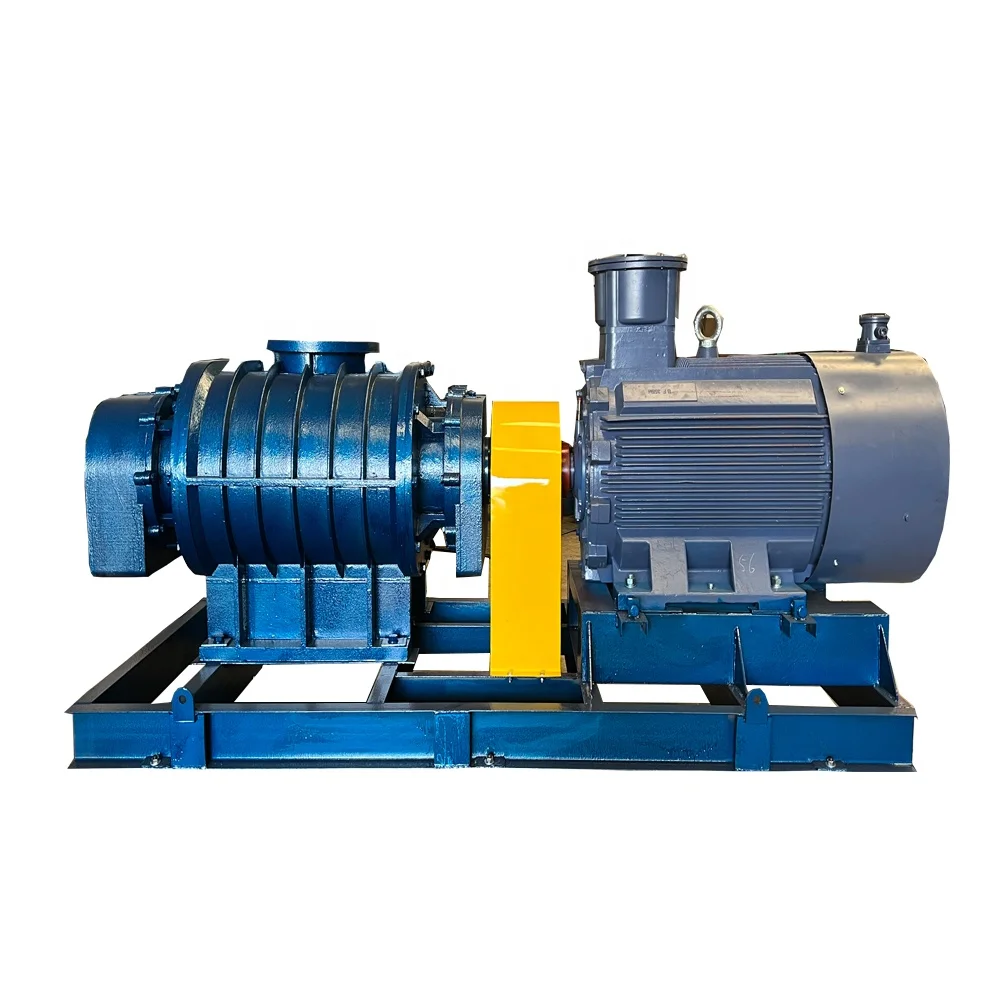
An industrial blower is a critical component in modern factory operations, designed to move large volumes of air efficiently through complex ductwork and processing environments. These machines form the backbone of industrial ventilation systems by creating controlled airflow that removes contaminants, regulates temperature, and maintains pressure differentials across manufacturing facilities. Understanding how an industrial blower improves factory air handling systems helps facility managers optimize performance, reduce energy costs, and ensure worker safety.
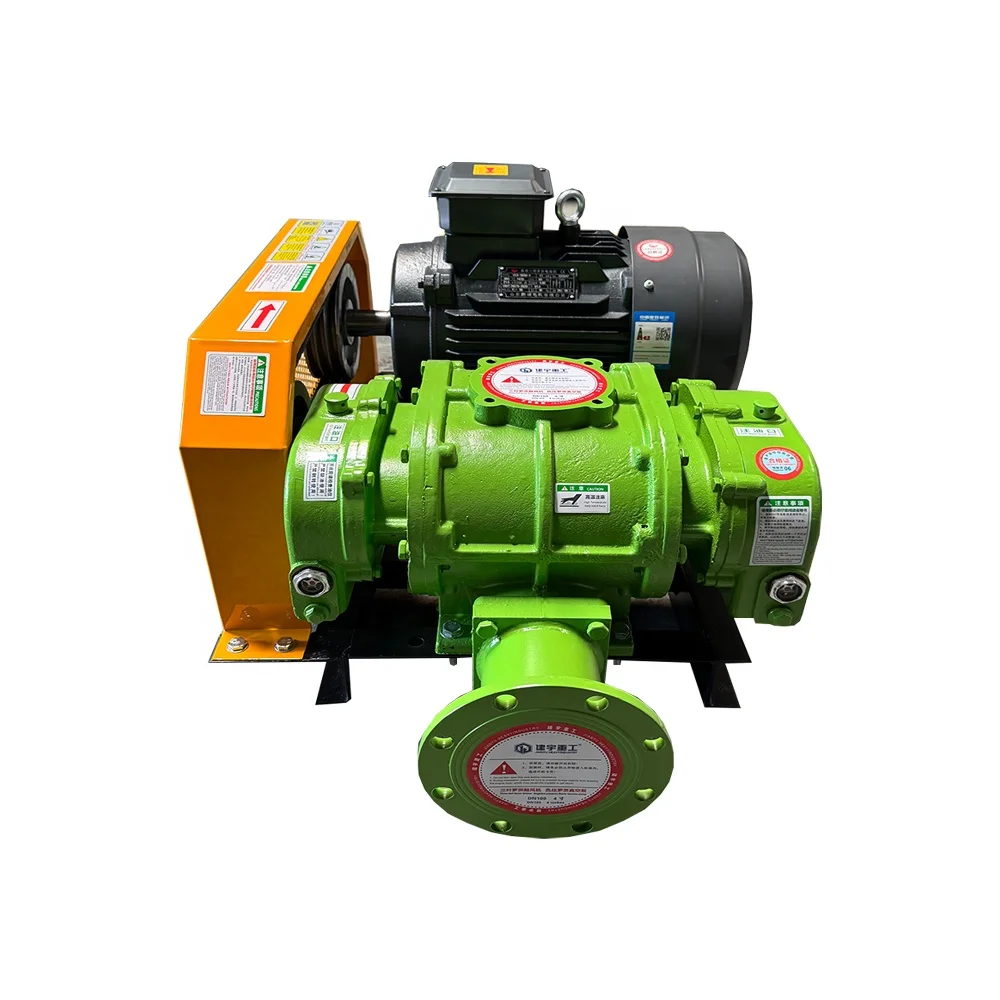
Factory air handling demands precision and reliability. Industrial ventilation systems must manage dust, fumes, heat, and humidity while maintaining safe working conditions across multiple zones. Centrifugal blower applications have evolved to address these challenges through advanced aerodynamic design, variable speed controls, and specialized impeller configurations. The high pressure blower specifications now available allow facilities to handle demanding applications from particle conveying to waste gas extraction without compromising efficiency or system longevity.
Core Functions of Industrial Blowers in Air Management
Pressure Generation and Airflow Control
The fundamental role of any industrial blower is generating pressure differentials that move air through ducting networks. Unlike fans that rely on lower pressure differences, centrifugal blower applications require robust mechanical design to overcome resistance in filters, dampers, and extended ductwork. High pressure blower specifications quantify this capability through metrics like static pressure ratings, measured in inches of water column or millibars. A well-selected industrial blower maintains consistent airflow even as downstream equipment accumulates dust or blockages, preventing system degradation.
Variable frequency drives paired with industrial ventilation systems allow operators to modulate speed and pressure output based on real-time demand. This adaptive control reduces unnecessary energy consumption during periods of lower demand while ensuring maximum protection when production intensity peaks. Facilities that implement pressure-responsive controls see significant utility bill reductions alongside improved equipment lifespan.
Contaminant Extraction and Air Quality Maintenance
Industrial ventilation systems depend on consistent blower performance to extract harmful particles, chemical vapors, and organic compounds from manufacturing spaces. Centrifugal blower applications excel at handling challenging air qualities, including dust-laden streams and high-temperature exhaust. The design principles behind modern high pressure blower specifications prioritize reliability in harsh conditions through corrosion-resistant materials, self-cleaning impellers, and advanced vibration isolation.
Proper air extraction protects worker health, extends equipment life, and ensures regulatory compliance with OSHA and environmental standards. An industrial blower sized appropriately for your facility's exhaust volume and contamination profile prevents air quality deterioration that could trigger production shutdowns or health violations.
Integration with Industrial Ventilation System Architecture
System Design Considerations and Ductwork Optimization
Industrial ventilation systems succeed when the blower, ductwork, and terminal devices work as an integrated unit. Centrifugal blower applications require careful duct sizing to balance pressure drop against energy efficiency. Undersized ducts force the blower to work harder, consuming excess energy, while oversized ducts waste material and floor space. High pressure blower specifications must account for total system resistance, including friction losses, fitting losses, and filter pressure drops.
System engineers calculate required blower capacity using both volumetric flow rate and pressure requirements. An industrial blower rated for 5000 cubic feet per minute at 4 inches of static pressure differs fundamentally from one rated for 10000 CFM at 1 inch of static pressure. Selecting the wrong pressure class leads to either insufficient airflow or excessive energy waste, making accurate specification critical to long-term operational success.
Sound Control and Vibration Management
Modern industrial ventilation systems must address noise generated by high-speed impeller rotation and turbulent airflow. High pressure blower specifications increasingly include acoustic performance metrics, recognizing that factory operators and nearby communities need sound attenuation. Vibration isolation mounts, elastomeric duct connectors, and lined ductwork sections work together to reduce noise transmission through building structures.
An industrial blower installed without proper isolation generates vibration that travels through support frames and connected equipment, amplifying noise and accelerating mechanical wear. Investing in isolation technology extends bearing life, reduces maintenance frequency, and creates a more acceptable working environment for facility staff.
Performance Optimization and Maintenance Strategies
Efficiency Enhancement Through Proper Specification
Centrifugal blower applications deliver maximum efficiency when matched precisely to system requirements. An industrial blower operating at its design point consumes minimal energy while producing peak airflow. Most facilities operate blowers across varying conditions, requiring technologies like inlet vane dampers or variable frequency drives to maintain efficiency across the load spectrum. High pressure blower specifications should include efficiency curves showing performance across the expected operating range.
Industrial ventilation systems benefit significantly from routine performance monitoring. Tracking static pressure, temperature, and vibration allows operators to detect impeller fouling, bearing wear, or seal degradation before catastrophic failure occurs. Predictive maintenance programs based on performance trending reduce unplanned downtime and optimize replacement timing.
Longevity and Reliability Factors
High pressure blower specifications must include material compatibility assessments, especially when handling corrosive exhaust streams or abrasive particles. Aluminum housings work well for clean air applications, while stainless steel or epoxy-coated construction suits chemical environments. An industrial blower engineered for your specific air quality challenges will operate reliably for years without unexpected failures.
Regular bearing lubrication, seal inspection, and motor brush maintenance extend blower lifespan dramatically. Industrial ventilation systems with documented maintenance schedules outperform neglected installations by five to ten years. Establishing a preventive maintenance culture around your centrifugal blower applications protects your capital investment and ensures consistent facility performance.
FAQ
What distinguishes a centrifugal blower from other industrial ventilation equipment?
Centrifugal blower applications use rotating impellers to accelerate air outward, converting kinetic energy into pressure. This design generates higher pressure than axial fans, making centrifugal blowers ideal for overcoming duct resistance and handling challenging air streams. Industrial ventilation systems commonly employ centrifugal designs because they handle both high volume and high pressure requirements that other blower types cannot match simultaneously.
How do high pressure blower specifications relate to factory air handling capacity?
High pressure blower specifications define how much resistance the industrial blower can overcome while maintaining required airflow. These specifications include static pressure ratings, noise levels, and efficiency percentages at various capacities. A factory air handling system needs sufficient pressure to push air through filters, dampers, and extended ductwork without losing effectiveness. Matching high pressure blower specifications to your total system resistance ensures your industrial ventilation systems deliver adequate airflow throughout your facility.
Can an industrial blower improve energy efficiency in existing ventilation systems?
Upgrading an outdated industrial blower with a modern high efficiency model can reduce energy consumption by 20-40%. New centrifugal blower applications incorporate advanced aerodynamic designs and variable frequency drive compatibility that older equipment lacks. If your industrial ventilation systems consume excessive electricity or struggle to maintain adequate airflow, replacing the blower addresses the root cause. Higher efficiency industrial blower models pay for themselves through utility savings within two to five years in most factory environments.