
 EN
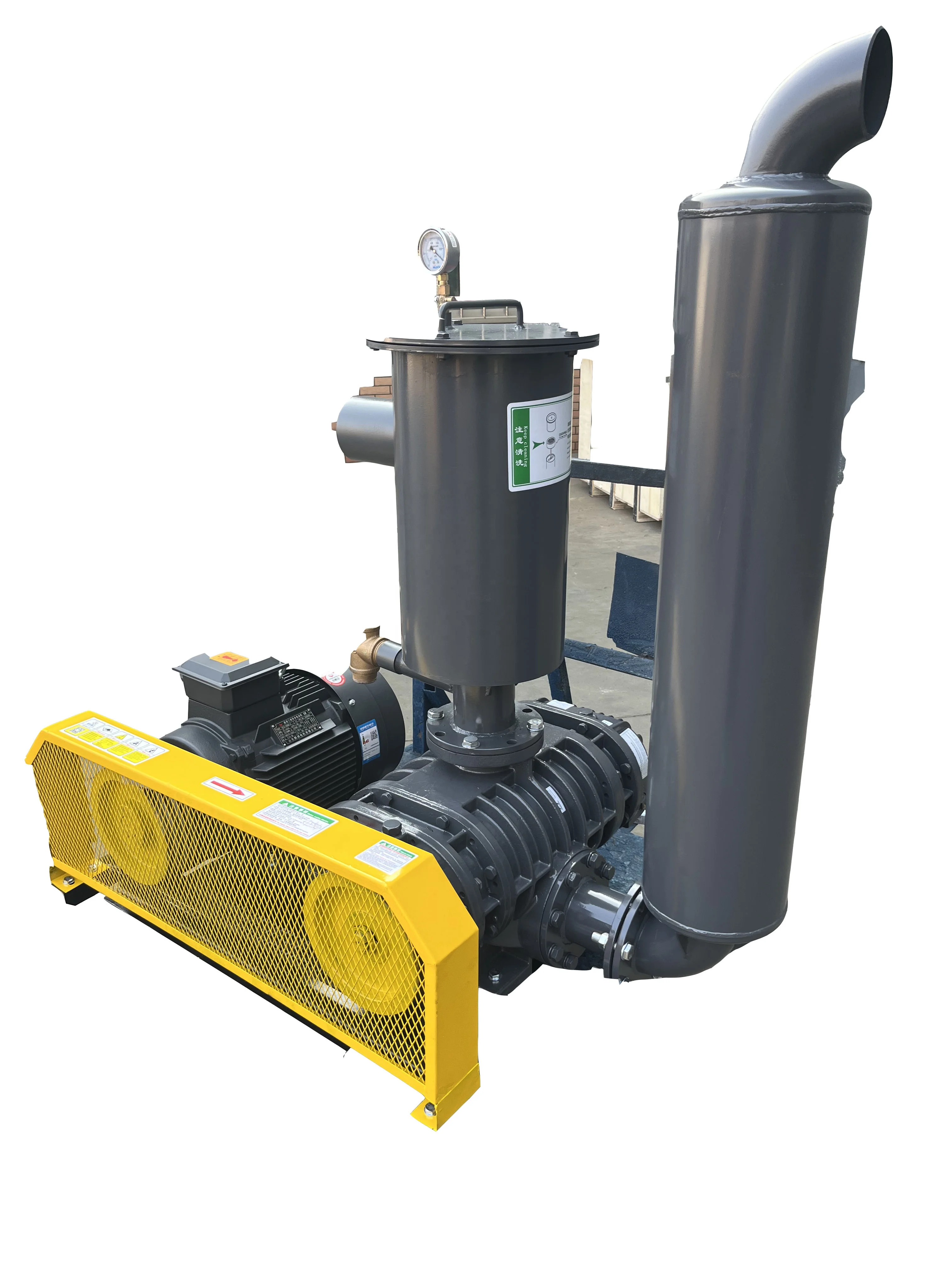
A roots vacuum pump represents a critical piece of equipment in industrial systems where reliable, consistent vacuum generation is essential. These positive displacement pumps have become the backbone of many manufacturing, processing, and laboratory applications due to their distinctive design and proven performance characteristics. Understanding the key features of a roots vacuum pump helps engineers, procurement specialists, and facility managers make informed decisions when selecting equipment for their operations.
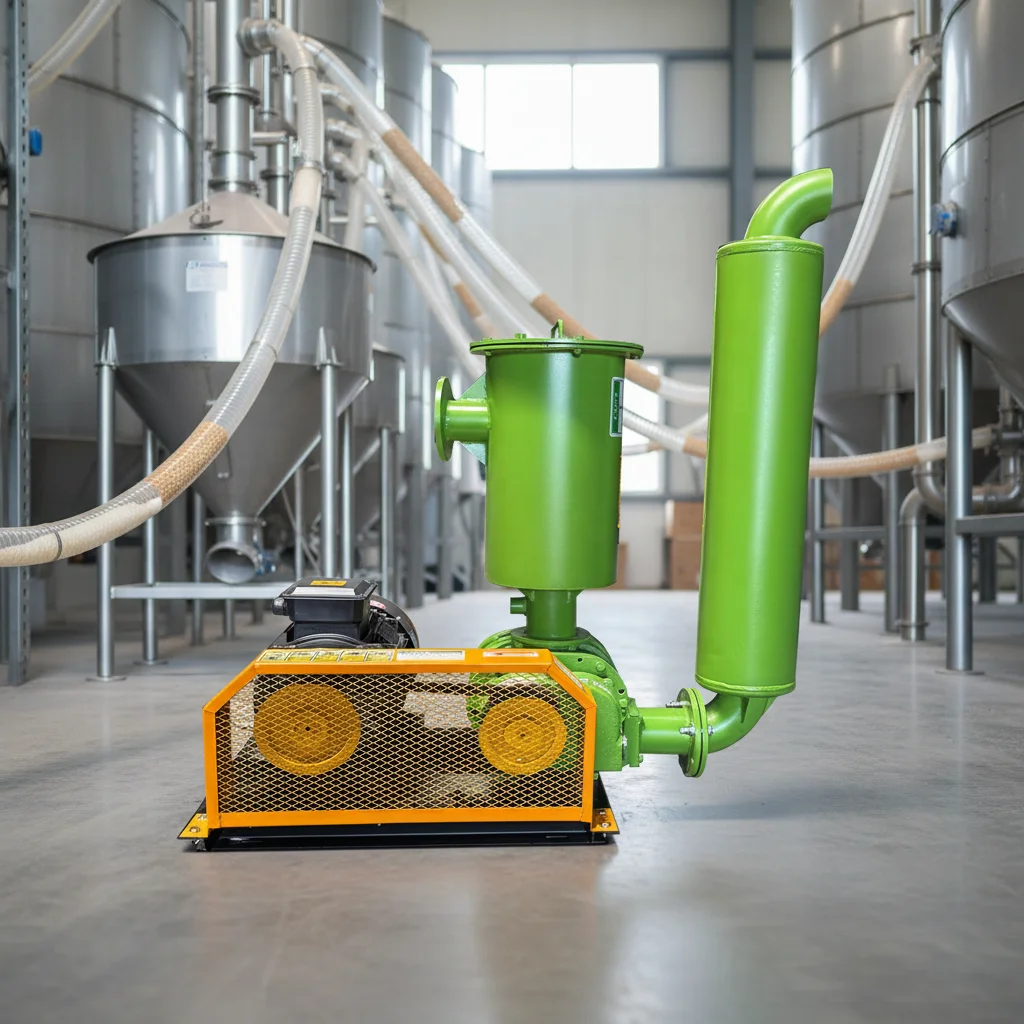
The design and operational characteristics of a roots vacuum pump distinguish it from other vacuum generation technologies. Unlike rotary vane or turbomolecular pumps, the roots vacuum pump employs a unique rotary lobe mechanism that delivers constant displacement with minimal maintenance demands. This article explores the fundamental features that make the roots vacuum pump an industry standard, including its operating principles, construction details, and suitability for various rotary lobe vacuum pump applications across different sectors.
Design and Operating Mechanism
Rotary Lobe Configuration
The core strength of a roots vacuum pump lies in its distinctive dual-lobe rotor design. Two figure-eight shaped rotors rotate in opposite directions within a precisely manufactured chamber, creating expanding and contracting volume chambers that move gas from the inlet to the discharge port. This rotary lobe configuration operates without internal compression, meaning the pump transfers a fixed volume of gas with each rotation. The absence of internal valves and seals reduces mechanical complexity and extends operational life significantly.
These rotors maintain precise clearance geometry throughout their rotation cycle, typically operating at speeds between 600 and 3,600 RPM depending on the pump size and application requirements. The rotary lobe vacuum pump applications range from laboratory settings to large-scale industrial facilities, each benefiting from the pump's straightforward mechanical action and consistent volumetric displacement.
Displacement and Pumping Speed
A roots vacuum pump's displacement capacity defines its fundamental performance characteristic. Displacement refers to the volume of gas removed per rotor revolution and remains constant regardless of pressure differential across the pump inlet and outlet. Typical displacement ranges from 10 to 5,000 cubic feet per minute, depending on pump model size and rotor configuration. The pumping speed, measured in liters per second or cubic feet per minute, directly correlates with rotor speed and displacement volume, making these pumps predictable for system integration and performance planning.
Performance Specifications and Operating Conditions
Vacuum Level and Pressure Differential Capability
Understanding vacuum pump performance curves enables engineers to match pump capacity with system requirements accurately. A roots vacuum pump typically operates effectively across a wide pressure range, from atmospheric conditions down to approximately 0.1 torr, though practical performance depends on the specific vacuum pump performance curves published by manufacturers. The pump's pressure differential capability—the maximum pressure difference it can generate between inlet and outlet—usually ranges from 7 to 10 pounds per square inch differential, depending on rotor design and operational parameters.
Performance curves illustrate how displacement and pumping speed vary across different pressure conditions. These curves help system designers ensure adequate vacuum generation at target operating pressures. A roots vacuum pump excels in rough and medium vacuum ranges, typically from atmospheric pressure down to 10 millitorr, making it ideal for degassing, drying, evacuation, and process gas transfer rotary lobe vacuum pump applications.
Thermal Management and Cooling
Heat generation represents a critical consideration in roots vacuum pump operation. Compression of gas at the discharge port releases energy that converts to heat, necessitating effective cooling systems. Most industrial roots vacuum pumps employ water cooling or air cooling jackets surrounding the pump chamber to maintain operating temperatures within acceptable ranges. Proper thermal management directly impacts vacuum pump oil specifications and overall system longevity, as excessive heat degrades lubricant performance and can warp precision rotor clearances.
Lubrication Requirements and Maintenance Factors
Vacuum Pump Oil Specifications and Selection
The choice of vacuum pump oil significantly affects roots vacuum pump reliability and lifespan. Vacuum pump oil specifications must address several critical requirements: low vapor pressure to minimize contamination of the vacuum system, excellent thermal stability to withstand discharge temperatures, high lubricity to protect rotor surfaces, and adequate oxidation resistance. Vacuum pump oil specifications typically demand mineral oil or synthetic formulations with viscosity grades ranging from ISO 15 to ISO 68, depending on ambient temperature and specific pump design.
Selecting appropriate vacuum pump oil specifications prevents bearing wear, reduces rotor friction, and maintains precision clearances essential for optimal performance. Premium formulations designed specifically for vacuum pump applications include anti-wear additives and rust inhibitors that standard industrial oils lack. Regular oil analysis and replacement intervals—typically every 1,000 to 2,000 operating hours—ensure continued performance and extend equipment life significantly.
Seal and Bearing Components
A roots vacuum pump incorporates robust sealing systems to maintain rotor clearances and prevent internal leakage. Labyrinth seals and mechanical shaft seals isolate rotor chambers from bearing compartments, preventing contamination of bearings with process gases. Ball bearings or roller bearings support the rotating shafts, requiring consistent lubrication through the vacuum pump oil specifications that maintain adequate film strength under operational loads. These components operate continuously during pump operation, making proper maintenance intervals and lubrication practices essential for extended service life.
Industrial Suitability and Practical Applications
Versatility Across Market Sectors
The rotary lobe vacuum pump applications extend across diverse industries where reliable vacuum generation proves essential. Chemical processing, pharmaceutical manufacturing, food packaging, semiconductor production, and environmental testing laboratories all depend on roots vacuum pumps for evacuation, degassing, and atmospheric modification tasks. The pump's robust construction, minimal maintenance demands, and predictable performance curves make it suitable for continuous operation in demanding industrial environments.
System Integration Advantages
Integrating a roots vacuum pump into larger vacuum systems offers several distinct advantages. The constant displacement characteristic means system designers can accurately predict vacuum levels at specific rotor speeds without complex calculations. The absence of sliding vanes or rotating contacts reduces contamination risk compared to alternative pump technologies. Rotary lobe vacuum pump applications benefit from straightforward control systems, minimal troubleshooting complexity, and easy integration with backing pumps or booster configurations for enhanced performance at lower pressures.
FAQ
What makes a roots vacuum pump different from other vacuum pumps?
A roots vacuum pump uses a positive displacement mechanism with two rotating lobes that work without internal compression, unlike other designs. This rotary lobe configuration delivers constant volume displacement independent of pressure differential, making the pump highly predictable and reliable. The mechanical simplicity reduces maintenance needs and extends operational lifespan compared to more complex pump technologies with internal valves or intricate rotor arrangements.
How do vacuum pump performance curves help select the right pump?
Vacuum pump performance curves display pumping speed across different pressure ranges, allowing engineers to determine if a specific pump model meets system requirements. These curves show how a roots vacuum pump behaves from atmospheric conditions down to its minimum operating pressure, enabling accurate capacity planning. By cross-referencing system gas load requirements with performance curves, designers ensure adequate evacuation speed and reliable vacuum maintenance throughout the operational pressure range.
Why is selecting proper vacuum pump oil specifications so important?
Vacuum pump oil specifications directly influence roots vacuum pump performance, bearing life, and overall equipment reliability. Appropriate oil maintains proper rotor clearances, dissipates heat generated during compression, protects precision components from wear, and prevents contamination of the vacuum system. Using oils that meet low vapor pressure and oxidation resistance standards ensures extended service intervals and prevents premature seal or bearing failure that could compromise system functionality.