
 EN
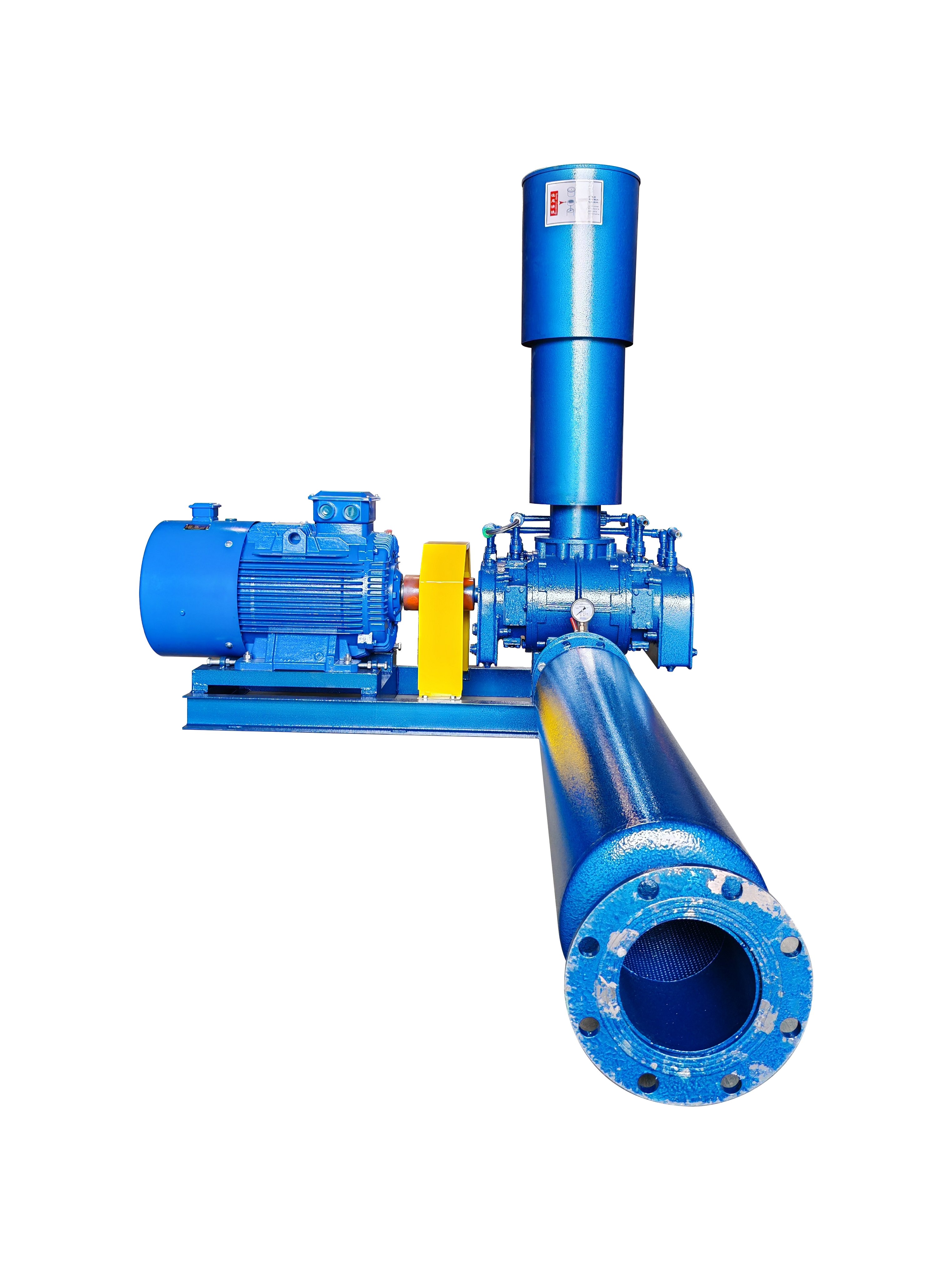
Maintaining optimal oxygen levels in aquaculture systems is one of the most critical factors in successful fish farming. Without adequate dissolved oxygen, fish experience stress, reduced growth rates, and increased disease susceptibility. An aquaculture roots blower directly addresses this challenge by efficiently aeration ponds and tanks through continuous air circulation. These specialized rotary blowers have become the preferred solution for commercial and mid-scale aquaculture operations seeking reliable, cost-effective oxygen delivery.
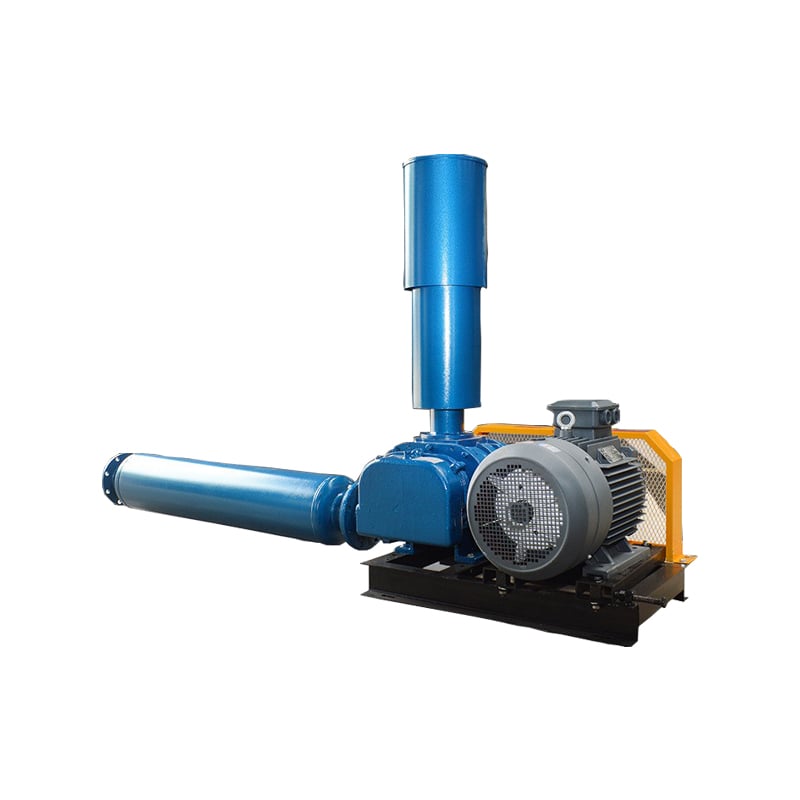
Roots blowers function by trapping air between rotating lobes and the blower casing, then forcing that air into the aquaculture system with steady, predictable pressure. This mechanical design ensures consistent oxygen transfer regardless of water depth or density variations. Compared to traditional paddle wheels or surface aerators, pond aeration equipment based on rotary blower technology operates with higher efficiency and requires less energy input per unit of oxygen delivered. Understanding how these systems work reveals why they represent a significant investment advantage for farms serious about sustainable production.
How Roots Blower Technology Delivers Oxygen Efficiency
Mechanical Oxygen Transfer Mechanism
The core function of a rotary blower for fish farming relies on positive displacement pumping. Two or three lobes rotate within a sealed chamber, creating expanding and contracting air pockets. As lobes separate, fresh air enters through an intake port, and as they mesh together again, that air compresses and discharges into diffuser systems submerged in the water. This cycle repeats hundreds of times per minute, generating a steady stream of pressurized air. The beauty of this pond aeration equipment design is its minimal pulsation compared to other blower types, which translates to smoother oxygen distribution and reduced stress on diffuser membranes.
Pressure and Flow Consistency
Aquaculture oxygen supply systems must maintain stable pressure to prevent diffuser clogging and ensure uniform aeration across the pond or tank. Roots blowers excel in this regard because their displacement volume is fixed, meaning each rotation delivers the same volume of air. Water depth changes or varying diffuser resistance do not cause the blower output to fluctuate erratically. This consistency is especially valuable in deep ponds where hydrostatic pressure increases significantly at depth. A well-calibrated rotary blower for fish farming maintains target dissolved oxygen levels even as biological loading and temperature fluctuations create demand variations throughout the day.
Practical Advantages in Aquaculture Operations
Energy Efficiency and Operating Costs
Roots blowers consume less electrical energy than many alternative aeration methods when properly sized for a specific aquaculture operation. Their positive displacement design means they do not waste effort fighting water resistance inefficiently. A farm running an aquaculture oxygen supply system based on roots blower technology often reports 20 to 40 percent lower aeration electricity costs compared to paddlewheel aerators of equivalent oxygen delivery capacity. Over a production season or multi-year operation, these savings compound significantly. Additionally, simpler mechanical design reduces maintenance complexity and associated labor costs compared to more elaborate aeration systems.
Reliability and Durability in Farm Environments
Aquaculture environments are demanding. Water-soluble minerals, humidity, temperature extremes, and continuous operation stress equipment severely. Pond aeration equipment built with roots blower technology typically features robust cast iron or ductile iron casings that resist corrosion and wear. The fixed-displacement design means fewer moving parts compared to variable-output systems, reducing failure points. Most aquaculture roots blower units are designed for 24/7 operation, and quality models deliver 10,000 to 15,000 operating hours before major maintenance becomes necessary. This durability directly translates to production uptime and reduced unplanned downtime that could harm fish stocks.
Integration with Modern Aquaculture Systems
Diffuser Selection and Subsystem Design
The effectiveness of any aquaculture oxygen supply system depends not only on the blower itself but on how well the entire system integrates. Roots blowers pair effectively with diffusers ranging from fine bubble membranes to coarse bubble tubes. Fine bubble diffusers offer higher oxygen transfer efficiency, particularly in deep systems, while coarse bubble alternatives reduce maintenance frequency. A rotary blower for fish farming operates at pressures typically between 0.5 and 1.5 bar, which suits both shallow intensive culture tanks and deeper traditional ponds. System designers select diffuser type and blower pressure based on water depth, stocking density, and target dissolved oxygen concentrations.
Scalability Across Farm Sizes
Whether operating a small hatchery facility or a large commercial pond system, pond aeration equipment based on roots blower principles scales effectively. Multiple smaller blowers can be networked together to serve distributed ponds, or a single larger unit can handle a consolidated operation. This modularity provides farm managers flexibility in system expansion without complete replacement of existing infrastructure. An aquaculture roots blower can be repositioned, upgraded, or supplemented as production scales. This adaptability makes roots blower technology particularly attractive for growing operations planning future expansion.
FAQ
What dissolved oxygen levels should an aquaculture oxygen supply system maintain?
Most farmed fish species require dissolved oxygen concentrations above 5 mg/L for healthy growth, with optimal levels between 7 and 8 mg/L. Cold-water species like trout demand higher levels, while warm-water species like tilapia tolerate slightly lower concentrations. A properly sized pond aeration equipment system should prevent drops below 4 mg/L even during peak biological demand periods, typically early morning before photosynthetic oxygen production begins. Real-time monitoring equipment helps operators adjust rotary blower run times to maintain target ranges cost-effectively.
How does an aquaculture roots blower compare to other aeration technologies?
Paddlewheel aerators offer surface aeration with high visibility but consume more electricity per unit of oxygen transfer. Airlift systems and venturi aerators provide good mixing but require careful design to avoid fish injury. An aquaculture oxygen supply system based on roots blower technology delivers superior oxygen transfer efficiency, operates continuously without fish harm, and requires minimal maintenance compared to mechanical surface aerators. For intensive aquaculture operations targeting consistent production, pond aeration equipment using roots blowers represents the best cost-benefit balance over multi-year operation horizons.
Can a rotary blower for fish farming run continuously?
Yes, quality roots blower units specifically designed for aquaculture can run 24/7 without overheating or mechanical stress when properly sized and maintained. Many farms operate their aquaculture oxygen supply systems on timer schedules that ramp up blower output during high-demand periods and reduce it during low-demand windows to conserve energy. Regular maintenance including annual oil changes, bearing inspection, and acoustic monitoring helps ensure extended operational life. Some modern systems include variable frequency drives that modulate blower speed based on real-time dissolved oxygen sensors, optimizing energy consumption while maintaining consistent oxygen delivery.