
 EN
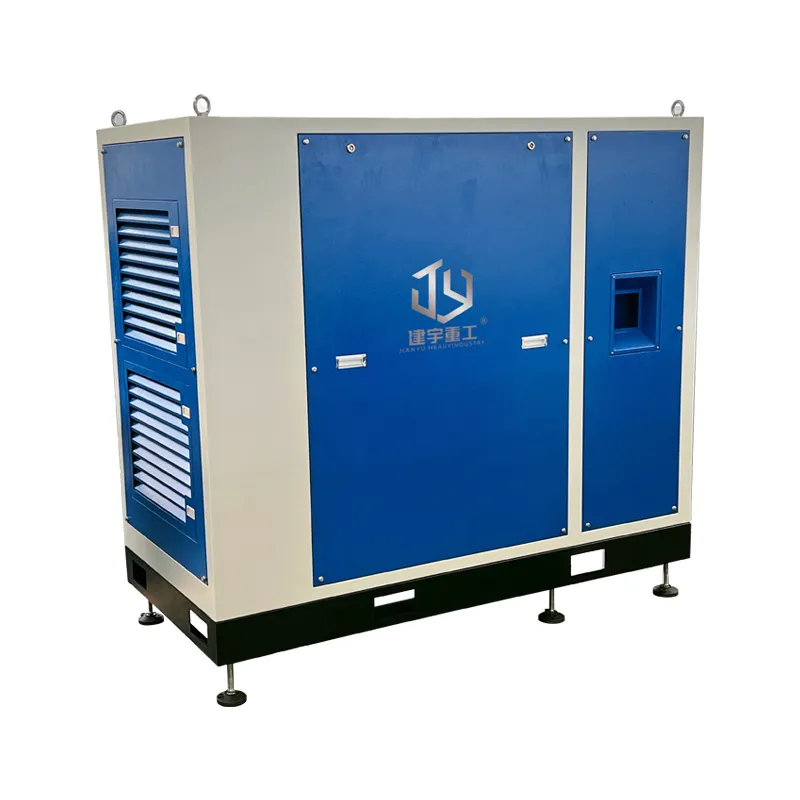
Equipment manufacturers operating in automotive, industrial, and material handling sectors increasingly recognize the critical role that an air suspension blower plays in modern system design. Integrating this technology requires a strategic understanding of pneumatic principles, system architecture, and compatibility factors that determine overall performance and longevity. The process extends beyond simple component selection; it involves careful planning, precise installation protocols, and validated testing procedures to ensure seamless operation within complex machinery ecosystems.
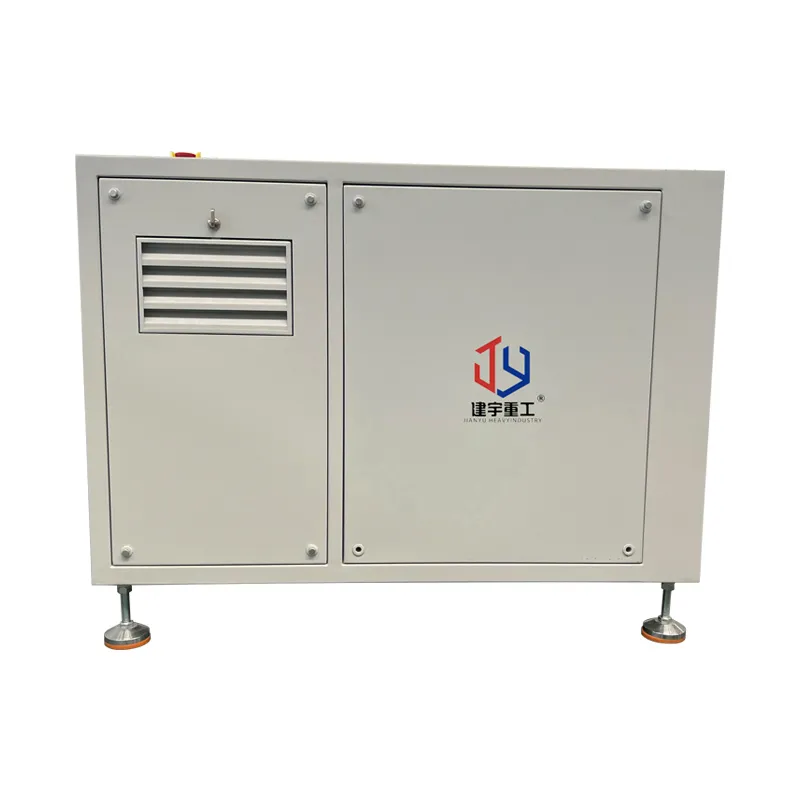
Successfully deploying an air suspension blower into production systems demands alignment between component specifications and application requirements. Engineers and technical teams must evaluate pressure ratings, flow capacity, material compatibility, and integration pathways to avoid bottlenecks and performance degradation. This comprehensive guide walks through integration methodology, system design considerations, and best practices that equipment manufacturers should follow when incorporating pneumatic suspension technology into their advanced equipment.
System Architecture and Component Selection
Understanding Pneumatic Suspension Integration Points
Integrating an air suspension blower begins with mapping integration points across the target system. The air spring compressor system serves as the foundation, requiring manufacturers to identify where pressure generation, regulation, and distribution will occur. Careful component positioning prevents pressure loss, reduces noise transmission, and maintains steady performance under variable load conditions.
The air leveling system pump operates in conjunction with suspension components to maintain consistent vehicle or equipment height. Manufacturers must design manifold arrangements that allow the air spring compressor system to supply stable pressure across all suspension points simultaneously. System pressure specifications typically range from 60 to 150 PSI depending on application class, load requirements, and suspension geometry.
Pressure Regulation and Flow Management
Effective pneumatic suspension maintenance depends on precise pressure regulation throughout the circuit. Regulators, accumulators, and distribution valves must be positioned to prevent pressure spikes and maintain steady air supply during acceleration, braking, and cornering events. The air spring compressor system requires feedback mechanisms that monitor pressure levels and activate the blower only when needed, improving energy efficiency and reducing operational costs.
Flow rates must be calculated based on total suspension volume and response time requirements. A well-designed air leveling system pump delivers sufficient flow to adjust suspension height within 2–5 seconds of load change. Manufacturers should select components rated above calculated peak flow requirements to ensure margin for pressure drops across plumbing networks and valve assemblies.
Installation and Control Strategy
Physical Mounting and Vibration Isolation
Proper mounting of the air suspension blower directly influences system longevity and noise characteristics. Equipment manufacturers should use vibration-isolating mounts to decouple the compressor from the chassis or frame structure. This practice prevents vibration transmission to operator compartments and reduces fatigue stress on electrical connectors and pressure tubing.
The air spring compressor system should be positioned away from heat sources, water ingress risks, and areas subject to mechanical impact. Manufacturers typically locate the blower in engine compartments, undercarriage spaces, or sealed equipment housings with adequate ventilation. Air intake lines must include filtration to prevent contamination that degrades pneumatic suspension maintenance and shortens component life.
Electrical Integration and Control Logic
Most modern air suspension blower designs operate on 12V or 24V electrical systems common to heavy equipment and vehicle platforms. Manufacturers must ensure electrical integration includes adequate protective relays, fuses, and thermal cutout switches to safeguard against overload conditions. The air leveling system pump benefits from closed-loop control that monitors pressure sensors and activates the blower only when suspension pressure falls below predetermined thresholds.
Advanced control modules allow manufacturers to implement adaptive suspension strategies that adjust air pressure based on driving conditions, load distribution, and terrain type. Programmable logic controllers can coordinate suspension adjustments with engine management systems, creating integrated vehicle dynamics platforms. This level of integration enhances driver comfort, improves handling stability, and optimizes tire contact with road or working surfaces.
Testing, Validation, and Performance Optimization
System Testing and Pressure Verification
Before deploying production equipment, manufacturers must conduct comprehensive pressure testing across the entire pneumatic suspension circuit. Technicians should verify that the air spring compressor system achieves rated pressure within specified timeframes and maintains steady pressure under simulated load conditions. Leak testing using soap solution application or ultrasonic detection identifies pinhole failures in tubing or connection points before equipment reaches customers.
Load cycling tests simulate real-world operating conditions by repeatedly activating and deactivating the air leveling system pump over thousands of cycles. This validation process reveals early fatigue issues, premature valve degradation, or pressure regulator drift that might emerge during extended equipment operation. Manufacturers should establish baseline performance metrics and define acceptable variance windows for production acceptance.
Pneumatic Suspension Maintenance Protocols
Long-term reliability of integrated air suspension blower systems requires documented maintenance procedures. Pneumatic suspension maintenance schedules should specify filter element replacement intervals, compressor oil level checks, and pressure regulator calibration frequency. Manufacturers must provide field technicians with diagnostic procedures that identify pressure loss, compressor performance degradation, or component failure modes affecting system responsiveness.
Preventive maintenance programs reduce costly downtime and extend equipment lifecycle. Air spring compressor system servicing typically includes annual filter changes, biennial seal inspections, and periodic dryer cartridge replacement to maintain air quality. Regular pneumatic suspension maintenance preserves system efficiency, prevents cascading component failures, and sustains the performance benefits that integrated air suspension technology delivers.
FAQ
What pressure range should manufacturers specify for air suspension blower systems?
Typical air suspension blower systems operate between 60 and 150 PSI depending on application requirements. Automotive suspensions commonly use 80–120 PSI, while heavy equipment may require 100–150 PSI for larger load ranges. Manufacturers should consult component datasheets and conduct load analysis to determine optimal pressure settings that balance performance, component durability, and energy consumption.
How often should pneumatic suspension maintenance be performed on integrated blower systems?
Pneumatic suspension maintenance intervals depend on operating hours and environmental conditions. Most manufacturers recommend annual air filter changes, biennial compressor servicing, and quarterly pressure regulator checks. High-use applications or harsh environments may require more frequent maintenance to prevent pressure degradation and ensure the air spring compressor system operates at rated performance. Consult equipment specifications and establish service programs based on actual operating duty cycles.
Can an air leveling system pump be retrofitted into existing equipment designs?
Retrofitting an air leveling system pump into existing equipment is possible but requires careful engineering assessment. Manufacturers must verify that electrical systems can supply adequate power, that mounting space accommodates the air suspension blower without interference, and that plumbing can be routed safely through existing structures. Retrofit projects often benefit from professional system design services to ensure compatibility and optimal performance without compromising original equipment functionality.