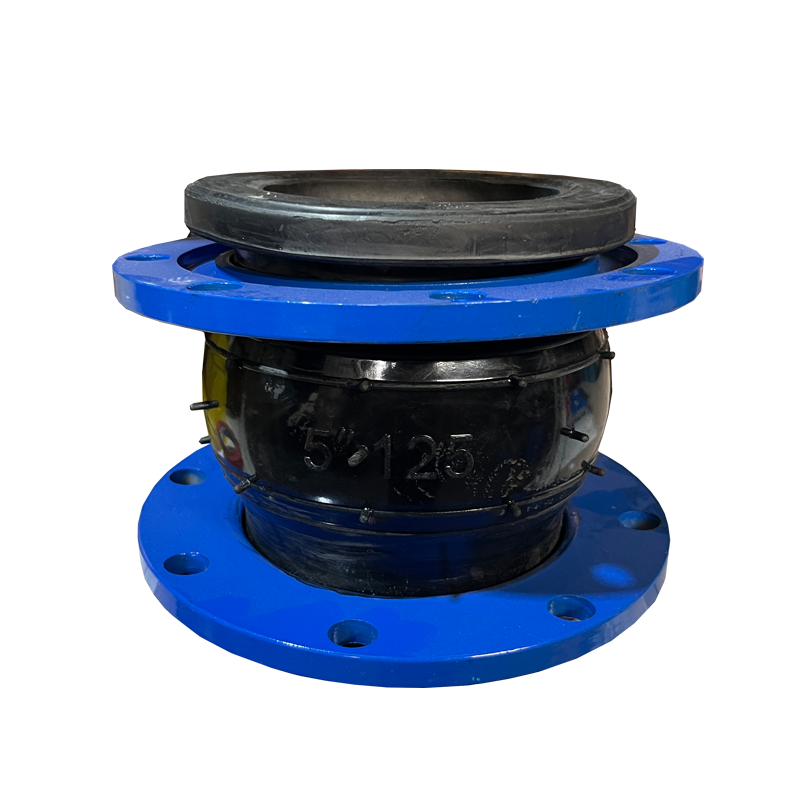
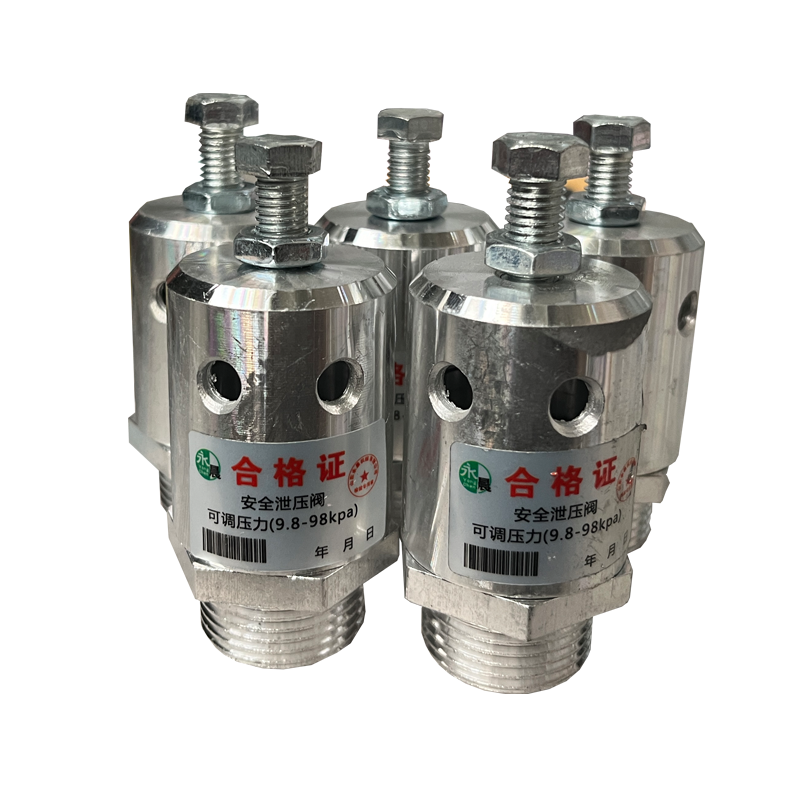
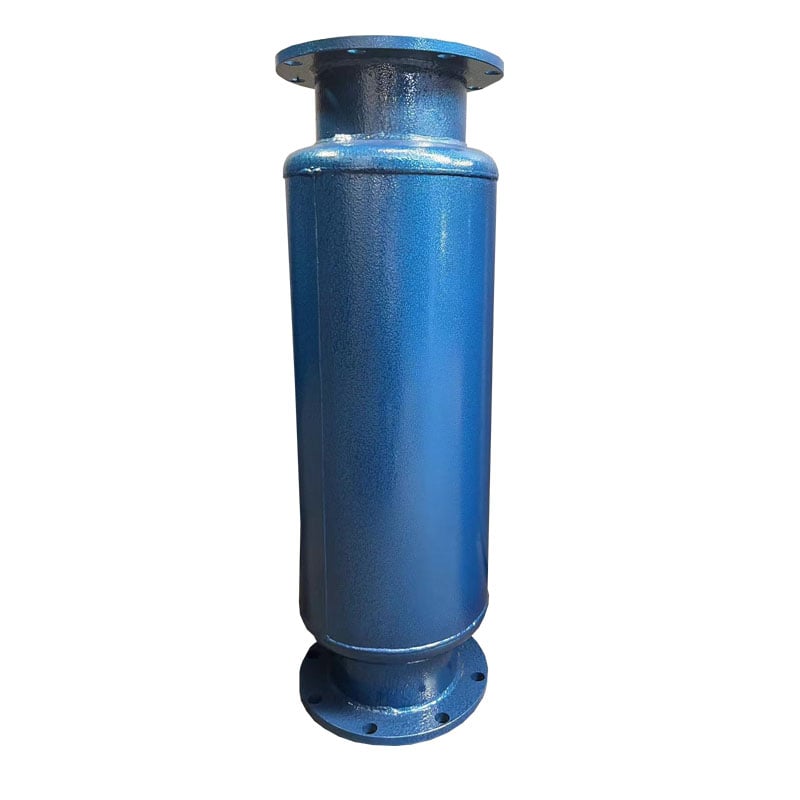
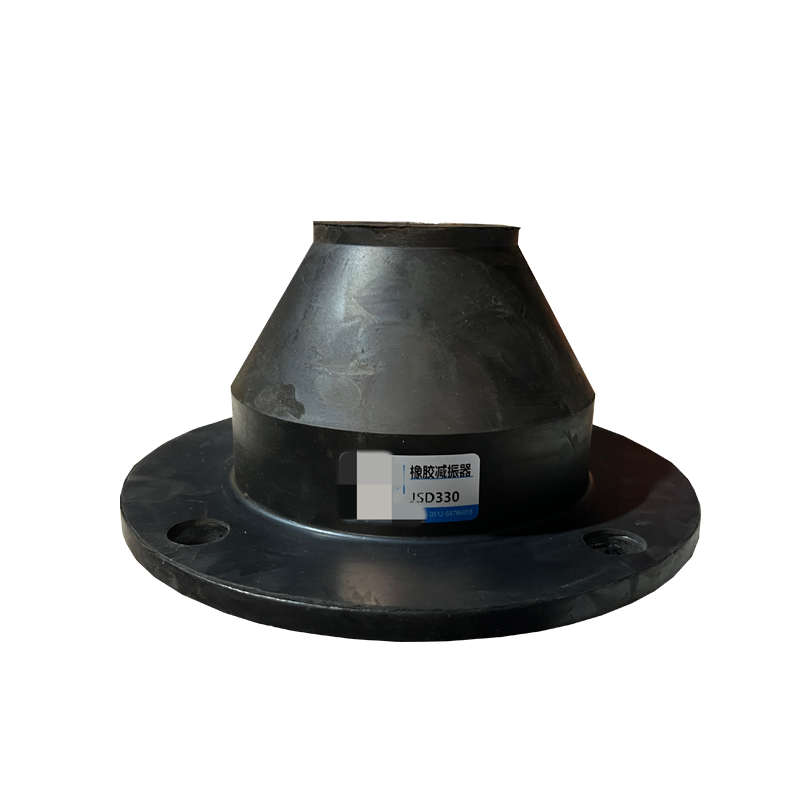
Wear-Resistant Line Components|Flow-Control Valve Functions|Chemical, Food & Building-Material Applications
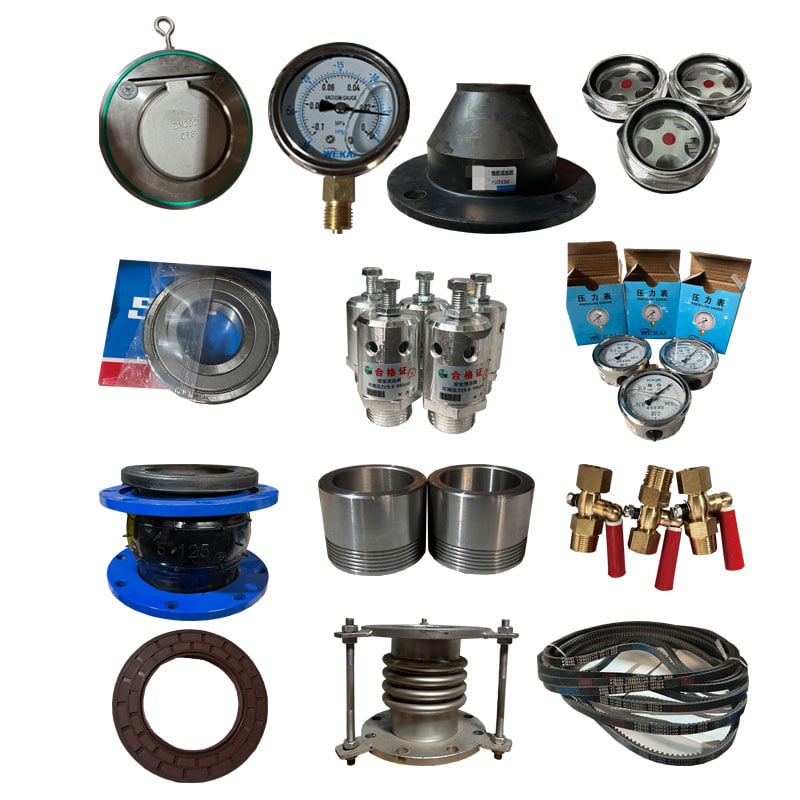
Pneumatic Conveying System Accessories for Material Transfer support the connections, flow paths, and control points that make up a material conveying line. This accessory offering covers the functions associated with elbows, pipes, valves, connectors, separators, and dust collectors. Together, these items help form an organized path for moving material through a pneumatic conveying setup. The accessory range is identified for chemical engineering, food processing, and building-material applications, where the conveying path and component connections need to match the process.
The product range is intended for use alongside a pneumatic conveying system rather than as a stand-alone process unit. Pipes provide a route for conveyed material, while elbows guide changes in direction. Valves are used where airflow or material flow needs control. Separators and dust collectors serve their respective gas-material separation and tail-gas cleaning functions within the wider arrangement. This functional view helps visitors discuss the accessories needed for a specific line without assuming that one configuration suits every installation.
For Pneumatic Conveying System Accessories for Material Transfer, the starting point is the material-transfer task: what is moving, where it enters the line, and which stages require routing, flow control, separation, or dust handling. Once those points are clear, the accessory scope can be organized around the actual path rather than around a generic parts list. This approach keeps the discussion tied to the role each component is expected to perform in the conveying line.
Pipes and elbows create the route between conveying points. The product summary describes wear-resistant materials, corrosion-resistant pipe performance, and smooth internal elbow surfaces intended to reduce material buildup. These characteristics are relevant where the material path includes direction changes or sustained contact with the conveying line. Confirming the material behavior, line layout, and required connection arrangement helps define the appropriate sections for the application.
Pipe runs should be discussed in relation to the route they must serve. Straight sections establish the main conveying path, while elbows accommodate directional changes. A smooth internal elbow surface is relevant to the stated aim of limiting buildup in the line. Where the conveyed material has distinctive flow behavior, its handling characteristics should be included with the inquiry so the accessory discussion can focus on the actual transfer task.
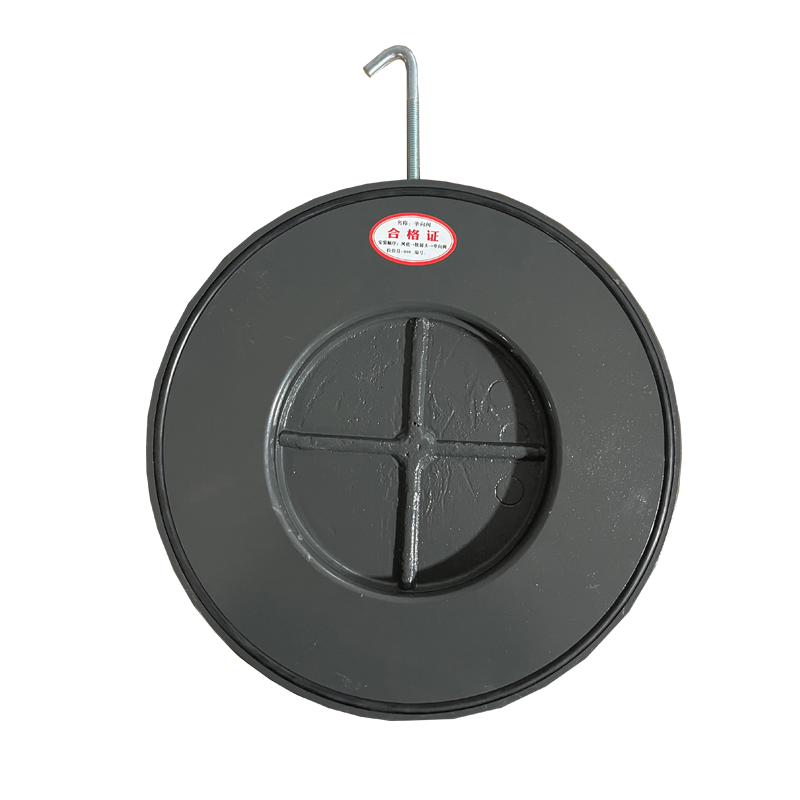
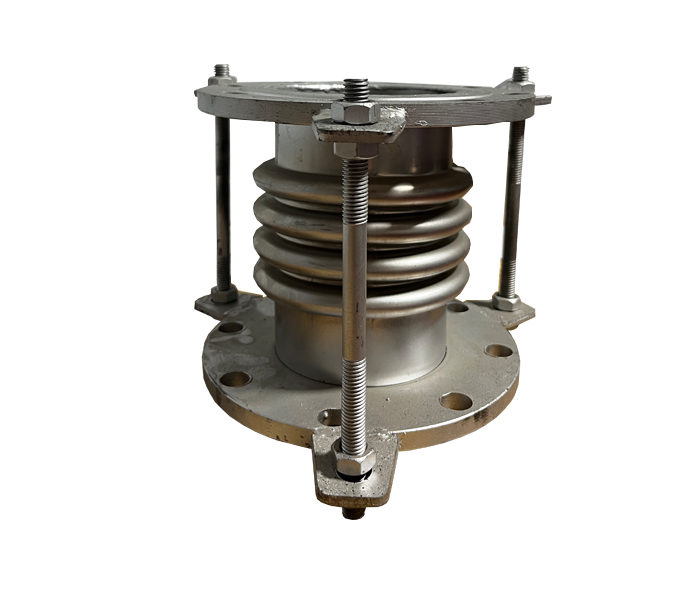
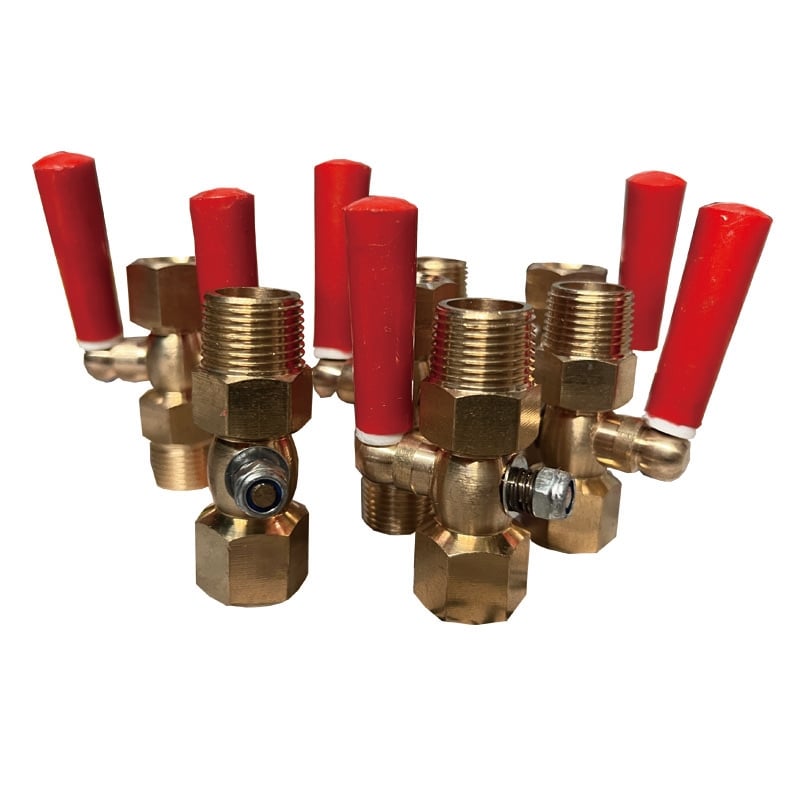
Valves are described for controlling airflow and material flow, while connectors support the integration of line components. For Pneumatic Conveying System Accessories for Material Transfer, the practical next step is to match the valve and connector requirements to the existing pipeline connection. Connection size, line arrangement, and the required control function should be shared when requesting a configuration discussion.
A valve may be relevant where the line needs a defined point for directing or controlling flow. Connectors provide the joining function between sections and help keep the overall arrangement organized. The product record does not set out a universal connection format, so the existing line dimensions and joining requirements should be specified before a component arrangement is confirmed. That distinction keeps the conversation practical: the accessory function can be identified first, then its fit with the line can be discussed.
The supplied application information identifies separators for gas-material separation and dust collectors for tail-gas cleaning within a conveying system. These accessories can be considered as part of the overall material-transfer path, especially where the line requires defined separation or dust-handling stages. Their selection depends on the system arrangement and process requirements rather than on a generic accessory list.
In a complete line, the movement of material, the conveying air path, and the point at which gas and material are handled all influence the accessory discussion. This does not mean every line needs the same group of components. It means the functions can be considered together when the project calls for them. Provide the intended duty of each stage so the accessory scope can be aligned with the conveying route.
| Item | Available information |
|---|---|
| Product category | Pneumatic conveying system accessories for material transfer |
| Accessory functions described | Pipes, elbows, valves, connectors, separators, and dust collectors |
| Rated voltage listed | 220V, 380V, or other |
| Pressure description listed | High pressure |
| Place of origin | China |
| Brand name listed | Jianyu heavy industry |
The listing also contains certification text for CE, an EU Representative Agreement, and a quality-management-system certificate of conformity. Exact applicability can vary by component and project configuration, so request the relevant documentation together with the selected accessory scope.
The stated voltage options and high-pressure description are retained as listing information. They should be considered with the particular component and operating arrangement requested, rather than treated as a blanket specification for every item in the range. This is especially important when an inquiry includes electrical equipment, controlled valve functions, or a line with defined pressure conditions.
These features are useful for structuring a Pneumatic Conveying System Accessories for Material Transfer inquiry. For example, a line routing requirement may center on pipe and elbow sections, while a control requirement may center on valves. A connection requirement may involve connectors between components. A separation or dust-handling requirement may point to the appropriate function in the wider conveying arrangement. The detail needed for each item depends on the application information supplied with the inquiry.
An air cushion conveyor is a different conveying approach from the pneumatic accessory arrangement described here. If it is part of the wider project, identify that requirement separately so the material path and connection details can be reviewed accurately. Likewise, a pneumatic conveying design guide pdf can support project planning, but final accessory selection should be based on the actual line layout and operating information.
How do I select the right blower model for wastewater treatment aeration?
A: Model selection generally depends on the aeration tank water depth, required airflow volume (m³/min), and working pressure (kPa). Roots blowers are typically recommended for deep-water aeration (over 3m) due to their stable constant-flow output against back-pressure, while air suspension turbo blowers offer higher energy savings for large-scale continuous municipal plants.
What is the difference between a Roots blower and a turbo/vortex blower?
Roots blowers are positive displacement machines where airflow remains relatively constant regardless of pressure changes, making them suitable for medium-to-high pressure applications (up to 98 kPa). In contrast, turbo/vortex blowers are dynamic machines whose airflow decreases significantly when resistance increases.
How does the pneumatic conveying system minimize pipeline clogging?
A: Rather than standard components assembly, an engineered system is customized through fluid dynamics simulation—calculating material-to-air ratios, step-by-step pipe diameters, and proper pressure gradients to maintain a steady material velocity throughout the conveying line.
How does the rotary feeder prevent particle shearing and rotor jamming?
A:For granular materials (e.g., plastic pellets, grains), we recommend rotary valves with angled shearing inlets, adjustable rotor blade tips, or anti-jamming pockets, which significantly reduce the chance of particles getting pinched in the rotor housing clearance.

Copyright © 2026 Jianyu Weiye (Jinan) Machinery Technology Co., LTD All rights reserved. - Privacy Policy
 EN