
 EN
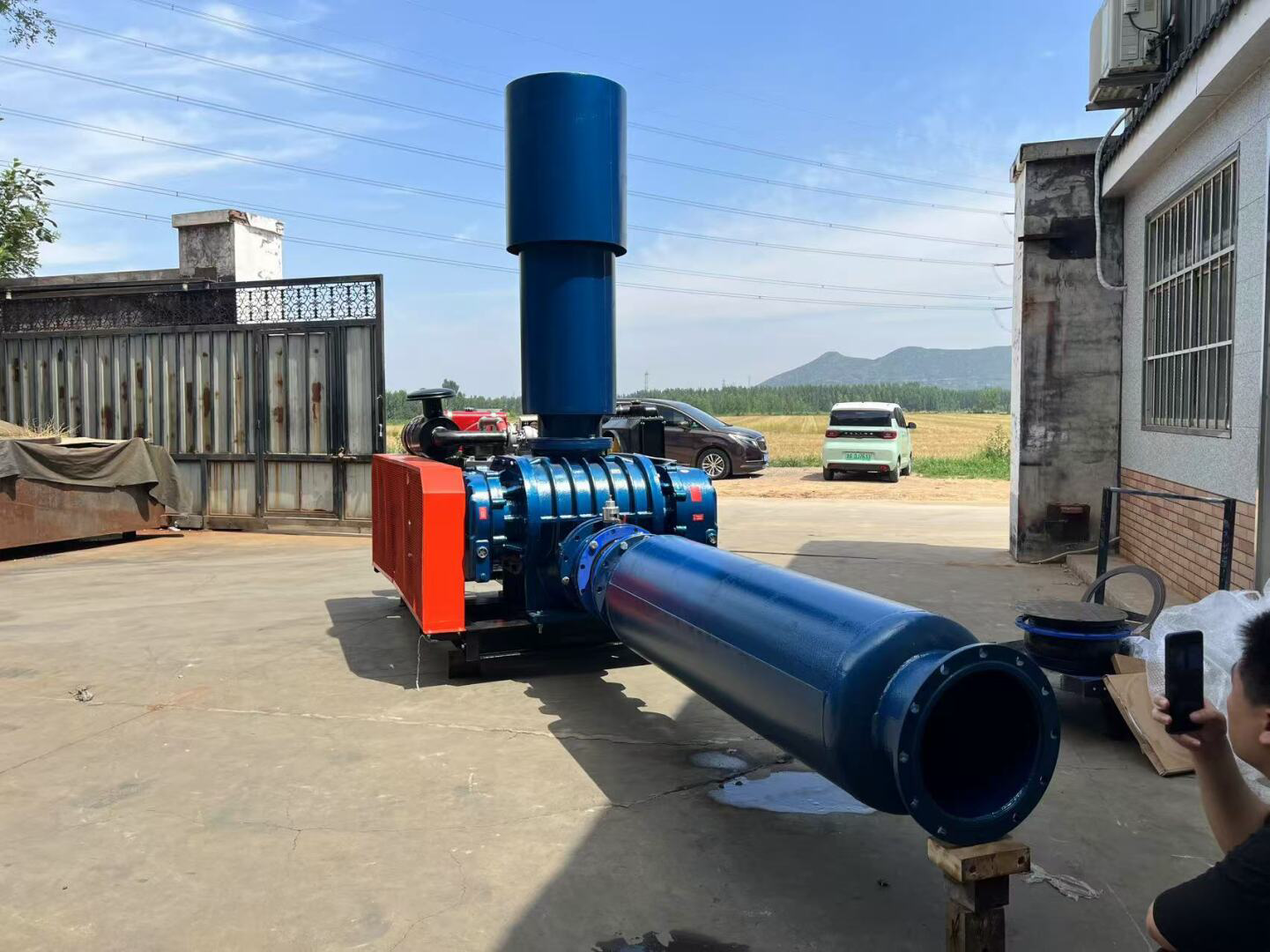
Selecting the right equipment for industrial air compression systems can mean the difference between operational efficiency and costly downtime. Many facility managers and engineers face the critical decision of determining which projects require a high pressure roots blower solution rather than alternative compression technologies. Understanding the specific applications, operational demands, and performance requirements helps ensure you choose equipment that meets your facility's exact needs while maintaining cost-effectiveness and reliability.
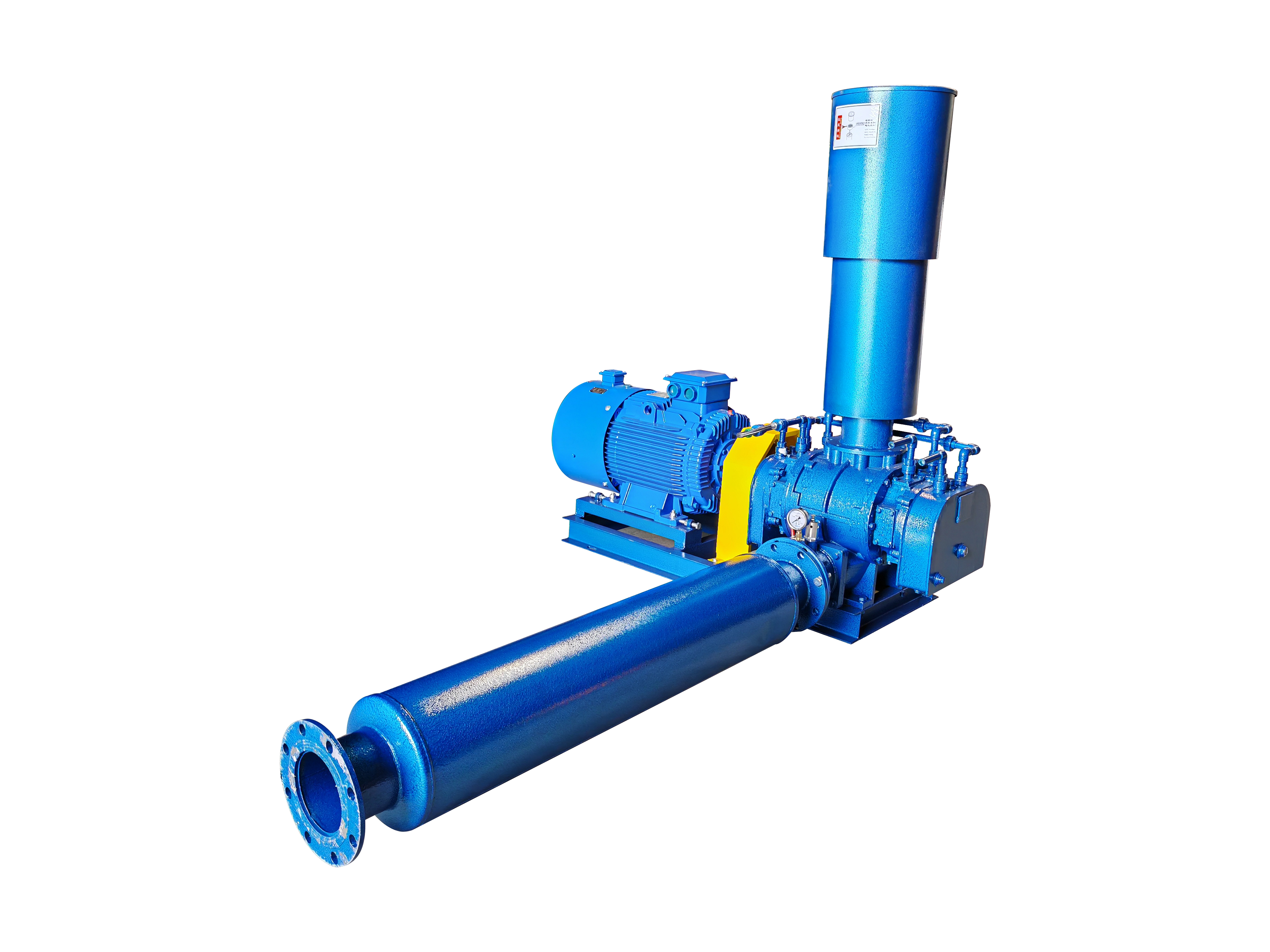
A high pressure roots blower operates on positive displacement principles, moving a fixed volume of air with each rotation. This fundamental operating characteristic makes these units distinctly different from centrifugal blowers and creates specific advantages for particular industrial scenarios. When positive displacement blower applications demand consistent flow rates, modest pressure increases, or reliable performance in varied load conditions, rotary lobe blower specifications become the preferred engineering choice.
Industrial Applications Demanding Rotary Lobe Blower Specifications
Wastewater Treatment and Aeration Systems
Wastewater treatment facilities represent one of the most common environments where industrial air compression systems require positive displacement blower applications. These facilities need consistent airflow for activated sludge processes, where dissolved oxygen must be maintained at precise levels throughout treatment tanks. A high pressure roots blower delivers the steady, predictable flow that treatment processes depend on, even as varying sludge densities and tank configurations change system resistance. The reliability of rotary lobe blower specifications ensures uninterrupted operation during critical treatment phases.
Food and Beverage Processing Operations
Food processing plants, breweries, and beverage manufacturers rely on positive displacement blower applications to convey materials, maintain sanitary conditions, and power pneumatic systems. These industrial air compression systems must handle varying pressure demands throughout production lines without compromising throughput. A high pressure roots blower provides the flexibility to handle these fluctuations while maintaining product quality and processing consistency. The robust design of rotary lobe blower specifications makes them ideal for environments where occasional material dust and moisture exposure occur.
High-Pressure Scenarios Where Roots Blowers Perform Optimally
Pneumatic Material Conveying Systems
Manufacturing facilities often employ positive displacement blower applications for pneumatic conveying of powders, granules, and light materials across production areas. These industrial air compression systems require the ability to maintain pressure over significant distances while moving materials efficiently. A high pressure roots blower excels in dilute-phase conveying applications where consistent pressure prevents line blockages and ensures predictable material flow rates. The specifications of rotary lobe blower units allow them to handle these demanding material transport requirements reliably.
Biogas and Digestive Process Applications
Anaerobic digesters, biosolids treatment, and biogas handling systems depend on positive displacement blower applications capable of moving gases with variable composition and moisture content. These industrial air compression systems must handle occasional slugging and maintain pressure stability when gas characteristics change unexpectedly. A high pressure roots blower provides the operational flexibility and durability needed for these challenging environments. The rugged design of rotary lobe blower specifications makes them more resistant to moisture and trace contaminants than alternative technologies.
Decision Factors for Selecting High Pressure Roots Blower Solutions
Volume and Pressure Balance Requirements
Projects requiring a high pressure roots blower solution share common characteristics regarding the relationship between required volume and pressure needs. Industrial air compression systems operating at moderate pressures, typically below 20 PSI, with substantial volume requirements represent ideal applications for positive displacement blower applications. When your facility needs to move large volumes of air at relatively consistent pressure, rotary lobe blower specifications deliver superior efficiency compared to centrifugal alternatives. The fixed displacement nature of these units means pressure naturally adjusts to system demand within design limits.
Process Reliability and Flow Consistency
Many industrial operations cannot tolerate fluctuating airflow or pressure variations that would disrupt product quality or process efficiency. Applications where positive displacement blower applications become essential share a critical need for predictable, non-pulsating flow across varying load conditions. A high pressure roots blower maintains consistent volume delivery regardless of modest pressure changes, making it the technology of choice for sensitive processes. The positive displacement principle inherent to rotary lobe blower specifications ensures this performance consistency that industrial air compression systems often require.
Environmental and Material Handling Challenges
Certain industrial environments introduce challenges that favor positive displacement blower applications over other compression technologies. Applications involving occasional moisture ingestion, dust contamination, or corrosive gas handling benefit from the simpler, more robust design of a high pressure roots blower. Facilities working with biosolids, wastewater vapors, or similar challenging media find that rotary lobe blower specifications provide better durability and longer service intervals. These industrial air compression systems prove more forgiving in demanding environmental conditions than more complex alternatives.
FAQ
What pressure range defines applications requiring a high pressure roots blower solution?
A high pressure roots blower typically operates in the 0 to 20 PSI range for most industrial air compression systems, though some specialized rotary lobe blower specifications extend to higher pressures with multi-stage designs. Projects requiring higher pressures, typically beyond 30 PSI, may benefit from alternative technologies or multi-stage positive displacement blower applications designed specifically for elevated pressure operation.
How do positive displacement blower applications compare to centrifugal systems in aeration processes?
Positive displacement blower applications provide superior performance in aeration because they maintain consistent flow regardless of system backpressure changes that occur during wastewater treatment. A high pressure roots blower delivers more predictable dissolved oxygen transfer compared to centrifugal systems, making it the standard choice for industrial air compression systems in treatment facilities. Rotary lobe blower specifications excel where process consistency directly impacts treatment quality and regulatory compliance.
Can rotary lobe blower specifications handle variable inlet conditions effectively?
Yes, positive displacement blower applications handle variable inlet conditions better than centrifugal alternatives because the rotor geometry remains constant regardless of inlet gas properties. A high pressure roots blower maintains performance even when moisture content, temperature, or gas composition changes, making it ideal for industrial air compression systems operating in challenging environments. This adaptability represents one of the key advantages of rotary lobe blower specifications in real-world industrial applications.