
 EN
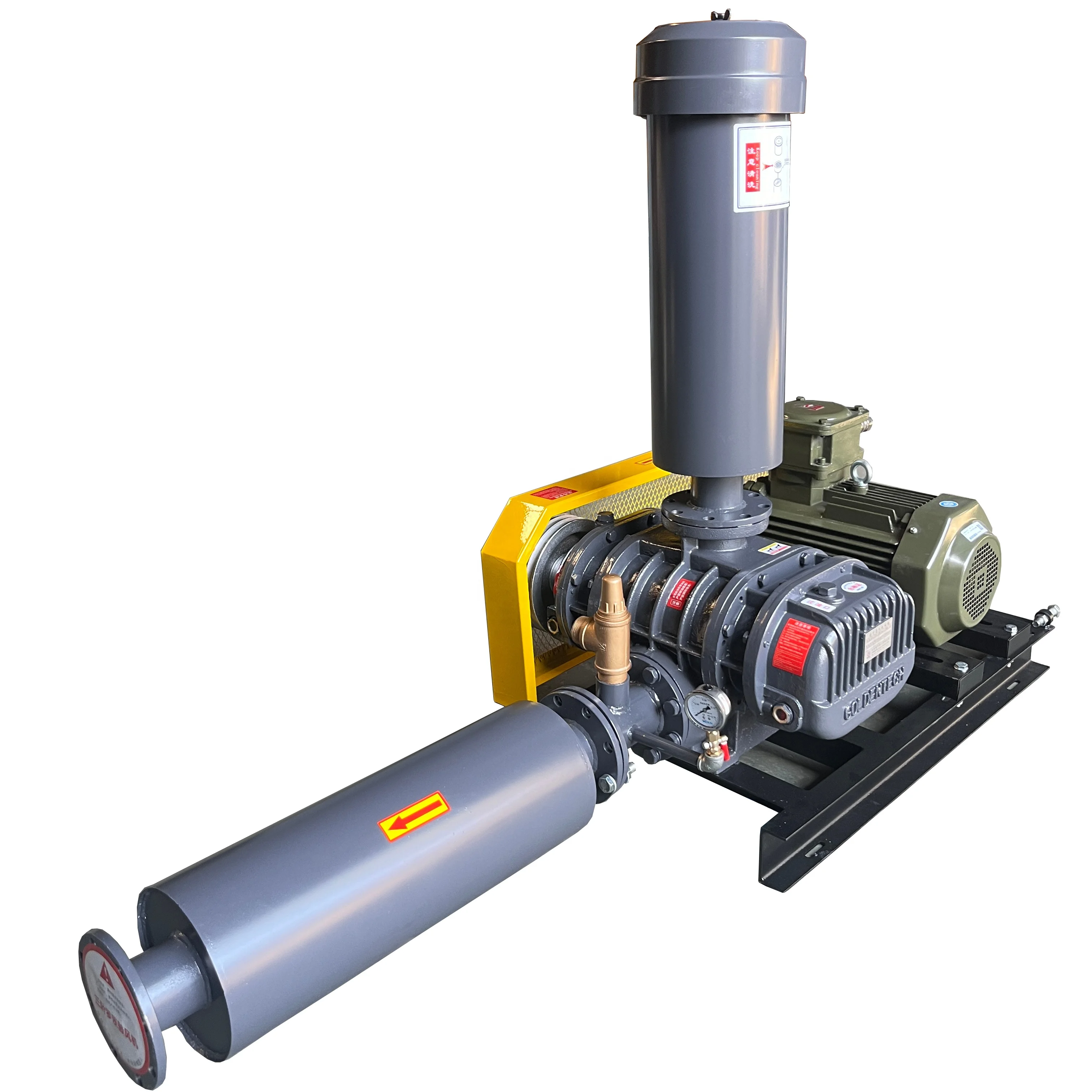
Facilities managers and plant engineers face constant pressure to reduce operating costs while maintaining safe, compliant work environments. Energy consumption typically represents one of the largest operational expenses in industrial settings, and ventilation systems often account for a significant portion of that energy use. An industrial blower plays a critical role in this equation, offering opportunities to optimize airflow while consuming less power. Understanding how modern blower technology achieves this balance is essential for facilities seeking competitive advantage through operational efficiency.
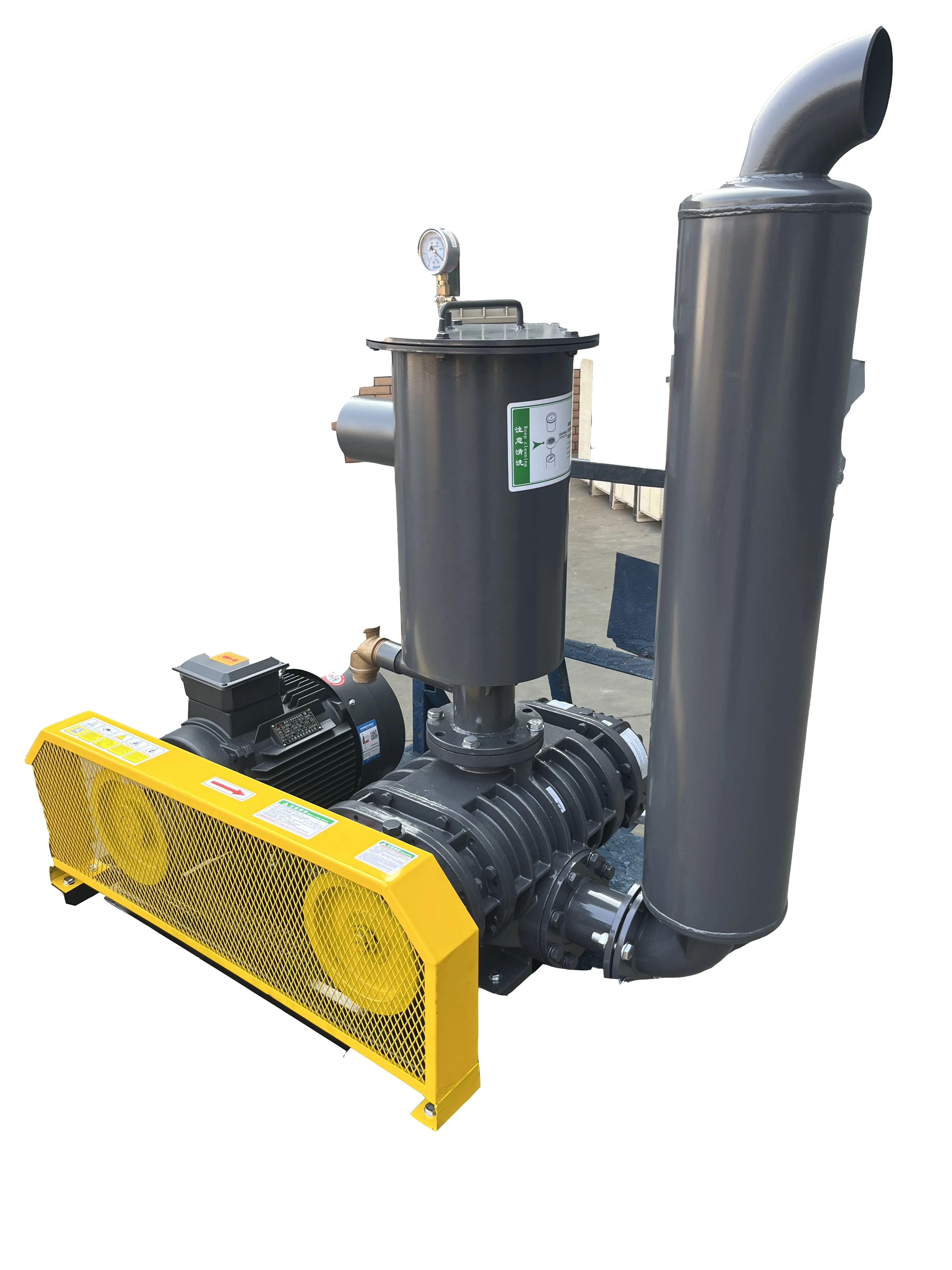
Energy reduction in industrial settings is not achieved through brute force or oversizing equipment. Instead, it comes from precision engineering, proper system design, and selecting the right technology for each application. Industrial ventilation systems have evolved significantly in recent years, incorporating variable speed drives, optimized blade geometries, and intelligent control strategies. High pressure blower specifications are now designed with efficiency ratings and performance curves that match specific facility requirements rather than one-size-fits-all approaches.
Understanding Energy Efficiency in Centrifugal Blower Applications
Centrifugal blower applications form the backbone of industrial ventilation across manufacturing plants, warehouses, and processing facilities. These devices move air or gas from one location to another using rotating impellers that convert mechanical energy into kinetic energy. The efficiency of this conversion directly determines how much electrical power the system consumes for a given airflow volume. Modern centrifugal blower applications now incorporate advanced blade designs that minimize turbulence and pressure losses, reducing the energy required to achieve necessary ventilation rates.
Optimized Impeller Design and Blade Efficiency
The impeller represents the heart of any industrial ventilation system, and its design profoundly affects overall energy consumption. Contemporary blower manufacturers have invested heavily in computational fluid dynamics modeling to create blade profiles that reduce recirculation zones and separation points. When impeller blades maintain smooth, efficient airflow paths, the industrial blower requires less motor power to generate required pressures and flow rates. This engineering refinement translates directly to lower kilowatt consumption and reduced operational costs throughout the facility's lifecycle.
Variable Speed Drive Integration
High pressure blower specifications increasingly include variable frequency drives (VFDs) that allow the motor to operate at speeds matched to actual demand rather than full capacity continuously. In many facilities, ventilation requirements fluctuate throughout operational cycles, yet traditional fixed-speed blowers run at constant power regardless of actual need. Integrating VFDs into industrial ventilation systems enables proportional operation, cutting energy consumption dramatically during low-demand periods. A facility implementing this strategy across multiple blower units can achieve 30 to 50 percent reductions in blower-related energy costs annually.
System Design and Operational Optimization Strategies
Installing an industrial blower correctly within the broader facility infrastructure determines whether theoretical efficiency ratings translate into real-world energy savings. Poor ductwork design, inadequate intake filtration, and suboptimal system configuration can erase the efficiency gains built into the equipment itself. Facilities that achieve the greatest energy reductions pair high pressure blower specifications with comprehensive system audits and redesigns. This holistic approach addresses not just the blower, but the entire industrial ventilation network through which air moves.
Pressure Drop Reduction and Flow Path Optimization
Excessive pressure drop in ductwork forces any industrial blower to work harder, consuming additional energy to overcome resistance. Facilities can reduce this drag through several strategies including larger duct diameters, smoother interior surfaces, and minimized bends and transitions. When centrifugal blower applications operate against lower system resistance, the motor draws less current and generates waste heat more efficiently. Regular maintenance practices such as cleaning air intakes and inspecting duct integrity also preserve the low-resistance conditions necessary for optimal industrial ventilation system performance.
Load Matching and Demand-Based Control
Advanced control systems now allow facilities to match blower operation precisely to actual ventilation demands rather than running at fixed output. Sensors monitoring air quality, temperature, or occupancy can trigger proportional adjustments in blower speed, ensuring that industrial ventilation systems deliver exactly what each area requires. This demand-responsive approach represents a fundamental shift from legacy ventilation practices where high pressure blower specifications were selected based on peak conditions and then operated identically regardless of actual need. Facilities implementing intelligent controls alongside modern blower technology achieve cumulative energy reductions that far exceed single-technology improvements.
Maintenance Practices That Preserve Energy Efficiency
Energy efficiency gains achieved through modern industrial blower design and installation are only realized when proper maintenance disciplines are consistently applied. Neglected blowers gradually accumulate dust, corrosion, and mechanical wear that increase internal friction and pressure losses. An industrial ventilation system operating with contaminated intake filters or damaged blade surfaces may consume 15 to 25 percent more energy than a well-maintained equivalent. Establishing systematic maintenance schedules that include filter changes, bearing lubrication, and blade inspection protects both equipment reliability and the energy efficiency improvements that justify the initial capital investment.
Predictive Maintenance and Performance Monitoring
Modern facilities increasingly deploy sensors that continuously monitor centrifugal blower applications for efficiency degradation before problems become severe. Vibration analysis, temperature monitoring, and power consumption tracking provide early warning signs of developing issues affecting industrial ventilation performance. When maintenance teams respond to these predictive indicators rather than waiting for failures, they prevent the efficiency erosion that occurs as blower components age. High pressure blower specifications include modern motor designs optimized for long service life when operated within design parameters and supported by proactive maintenance.
Seasonal Adjustments and Operational Flexibility
Many facilities experience seasonal variations in ventilation requirements related to outdoor temperatures, humidity levels, or production cycles. Energy-conscious operators adjust industrial blower speed settings and control parameters as conditions change, avoiding unnecessary full-capacity operation during seasons when reduced ventilation suffices. This operational flexibility is particularly valuable in facilities with variable occupancy or intermittent production schedules. Modern industrial ventilation systems designed with proper high pressure blower specifications and control capabilities enable these seasonal optimizations without sacrificing air quality or compliance.
FAQ
What percentage of energy can an optimized industrial blower save compared to older systems?
Modern industrial blower units with VFD controls and optimized impeller designs typically reduce energy consumption by 30 to 50 percent relative to fixed-speed legacy equipment operating under similar conditions. The actual savings depend on load patterns, facility design, and how closely centrifugal blower applications match actual demand profiles. Facilities achieving results at the upper end of this range typically combine efficient blower selection with comprehensive ductwork optimization and intelligent controls.
How do high pressure blower specifications impact overall facility energy consumption?
High pressure blower specifications determine both the maximum performance available and the baseline efficiency rating of industrial ventilation systems. Properly specified blowers generate required pressures with minimal power waste, while undersized or oversized equipment consumes excess energy. Matching specifications precisely to actual facility requirements ensures that the industrial blower operates within its optimal efficiency zone rather than in regions where performance and energy consumption diverge significantly.
Can industrial ventilation systems achieve energy savings without replacing the blower equipment?
Facilities can achieve modest energy reductions through maintenance improvements and ductwork optimization even with existing equipment, but the most significant gains typically require upgrading to modern blowers incorporating centrifugal blower applications technology and variable speed drives. However, installing VFD retrofit kits on certain existing industrial blower types can capture 20 to 35 percent savings without complete replacement, making this an intermediate option for facilities with capital constraints.