
 EN
EN
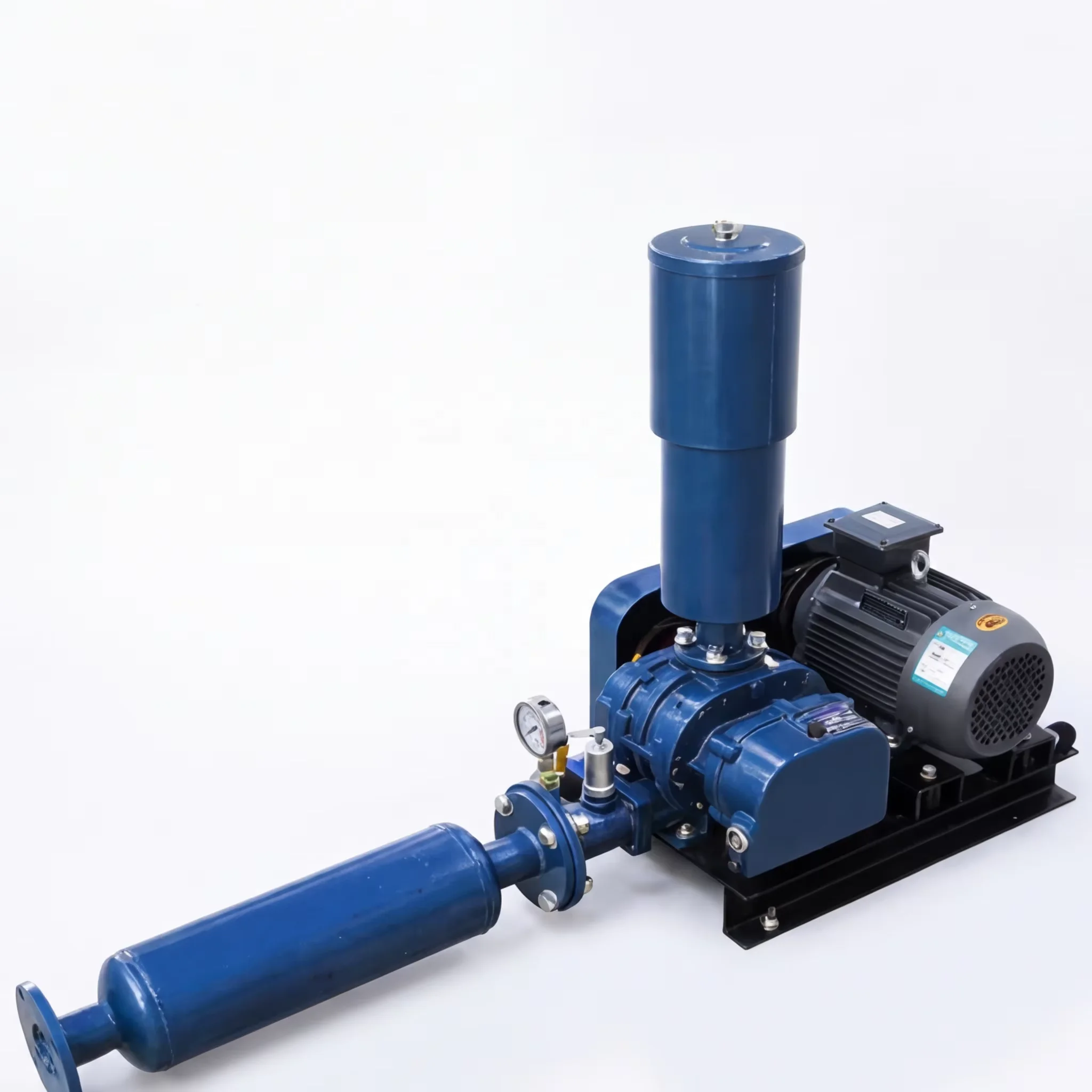
An air blower serves as a critical component in countless industrial, commercial, and residential applications, from aquaculture systems to cleaning operations. Understanding the factors that influence its performance and durability is essential for making informed purchasing decisions and ensuring long-term operational efficiency. The effectiveness of any air blower depends on multiple interconnected variables that work together to determine its reliability, longevity, and ability to meet specific operational demands.
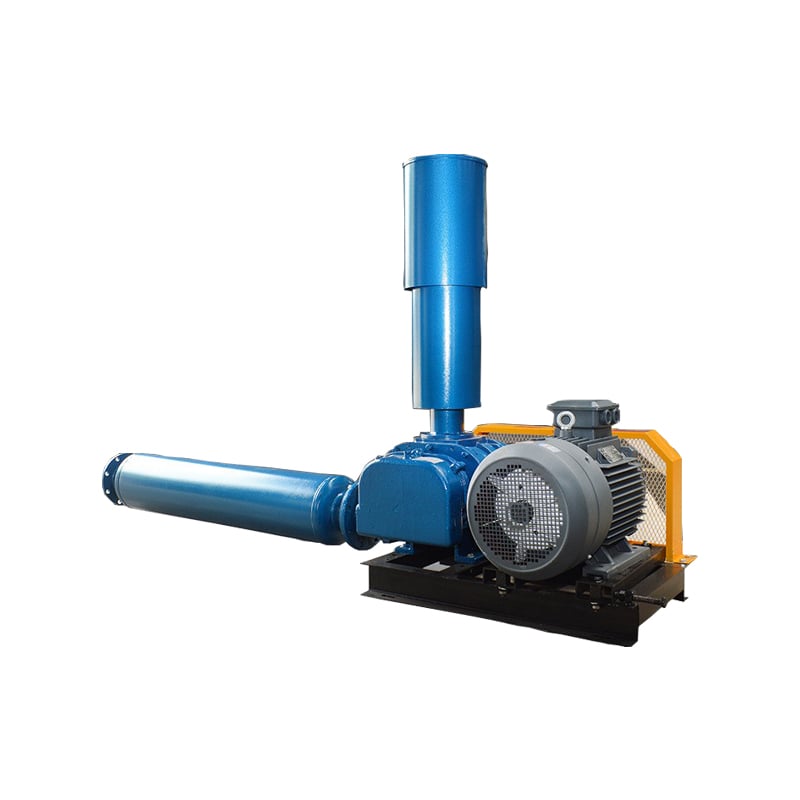
The performance characteristics of an air blower are not determined by a single element but rather by the combined influence of design features, operational conditions, and maintenance practices. Industrial operators and facility managers must recognize how these factors interact to affect both immediate performance metrics and long-term durability. This knowledge enables better equipment selection, proper operation, and preventive maintenance strategies that extend service life and reduce unexpected downtime.
Motor Specifications and Power Delivery
Understanding Air Blower Motor Specifications
Air blower motor specifications form the foundation of performance capability. The horsepower rating, voltage requirements, and motor type directly determine the maximum air volume, pressure, and efficiency that a blower can achieve. Different industrial applications demand different motor configurations; a portable air blower for cleaning requires different specifications than a high-pressure system designed for aquaculture or wastewater treatment. Motor specifications also influence energy consumption, operating costs, and the thermal characteristics of the system during extended operation.
The efficiency rating of an air blower motor affects both immediate operating expenses and overall system reliability. Motors with higher efficiency ratings consume less electricity while generating less waste heat, which reduces the thermal stress on internal components. This thermal stability is particularly important in continuous-duty applications where air blowers operate for extended periods without rest. Quality motor construction, proper insulation, and robust bearing systems all contribute to how well an air blower motor can handle sustained demand without degradation.
Power Output and Air Displacement
The power output of an air blower motor directly correlates to its ability to move air volume and generate pressure. Industrial applications requiring portable air blower for cleaning or high-capacity systems depend on motors with sufficient power reserves to maintain performance under load. An undersized motor will struggle to meet pressure requirements, leading to reduced efficiency and premature wear. Conversely, an appropriately sized motor operates closer to its optimal efficiency band, reducing unnecessary energy waste and extending component lifespan.
Operational Conditions and Environmental Factors
Temperature and Humidity Impact
Environmental conditions significantly influence air blower performance and durability. Temperature extremes can affect motor winding insulation, lubrication viscosity, and component material properties. In tropical or humid environments, moisture ingress becomes a concern for electrical connections and bearing systems. An air blower operating in high-temperature settings may experience accelerated wear in polymer seals, reduced lubrication effectiveness, and compromised motor insulation. Conversely, extremely cold conditions can make lubricants too viscous, increasing mechanical resistance and motor load.
Humidity levels directly affect the longevity of electrical components within an air blower motor system. High moisture environments promote corrosion of metal parts, terminal connections, and winding leads. Proper enclosure ratings and protective coatings help mitigate these effects, but they represent additional design costs. Understanding the specific environmental conditions where an air blower will operate allows for appropriate specification selection and ensures that protective features match the actual operational context.
Duty Cycle and Load Variation
The duty cycle of an air blower—whether intermittent, continuous, or variable load—fundamentally affects component wear rates. Continuous-duty systems experience different stress patterns than intermittent applications. Thermal cycling during intermittent operation can cause material fatigue, seal degradation, and connection loosening over time. Variable load conditions require stronger mechanical construction and more robust bearing systems to handle fluctuating stress. An air blower designed for intermittent duty will fail prematurely if operated continuously, as thermal management and component stress calculations assume periodic cooling periods.
Air Blower Noise Level and Mechanical Design
Understanding Air Blower Noise Level Comparison
Noise generation is both a performance indicator and a durability factor for air blowers. Higher-pitched sounds often indicate bearing wear, imbalanced rotors, or cavitation in rotary screw designs. Excessive noise typically correlates with increased vibration, which accelerates mechanical wear, loosens fasteners, and damages seals. Air blower noise level comparison between models often reveals important differences in manufacturing quality and internal clearances. Modern designs incorporate vibration isolation, optimized blade geometry, and precision manufacturing to reduce noise, which simultaneously improves durability by minimizing mechanical stress.
The relationship between noise level and internal friction within an air blower is direct. Designs with tighter tolerances and smoother airflow paths produce less noise and experience lower internal stresses. Conversely, portable air blower for cleaning with loose internal clearances may be cheaper initially but typically produce more noise and fail sooner. Sound emission testing often serves as a quality indicator during manufacturing, helping identify units with manufacturing defects before they reach customers.
Vibration Control and Material Selection
Vibration directly impacts the durability of an air blower by accelerating wear in bearings, seals, and mounting connections. Precision manufacturing and dynamic balancing of rotors minimize vibration generation, extending service life significantly. Material selection influences both the natural vibration frequency of components and their resistance to fatigue failure. High-quality alloys and composites can better withstand repeated stress cycles without cracking or permanent deformation. The use of elastomeric materials for isolation mounts and vibration dampeners absorbs mechanical energy that would otherwise transfer to connected equipment and structures.
Maintenance, Filtration, and System Design
Inlet Air Quality and Filtration
The quality of inlet air profoundly affects an air blower's operational longevity. Particulates, moisture, and contaminants entering the blower cause abrasive wear on rotor surfaces, bearing races, and seal faces. High-efficiency inlet filters protect internal components by removing particles before they can circulate through the system. In dusty industrial environments, maintaining clean air filters is essential for preserving performance and extending durability. Clogged filters increase system back pressure, forcing the motor to work harder and generating excess heat that accelerates component degradation.
Different applications demand different filtration strategies. A portable air blower for cleaning in outdoor environments requires robust inlet protection against dust and debris. Industrial systems in controlled factory settings may employ less aggressive filtration while still maintaining adequate air quality. Facility managers must understand their specific operational environment and select appropriate filtration solutions to maximize equipment reliability. Regular filter inspection and replacement form the foundation of predictive maintenance programs that minimize unexpected breakdowns.
Lubrication System and Bearing Design
Proper lubrication is fundamental to air blower durability, particularly for bearing systems. Adequate oil film thickness between bearing races prevents metal-to-metal contact, friction generation, and heat accumulation. Air blower motor specifications typically include lubrication type and interval requirements that facility operators must follow strictly. Bearing selection directly influences load-carrying capacity, speed capability, and operational life. Quality ball bearings with proper clearances and preload conditions significantly outperform inferior alternatives in extended-duty applications.
The lubrication schedule and oil quality requirements vary based on duty cycle and environmental conditions. Synthetic lubricants often provide superior performance across temperature extremes and duty cycles compared to mineral oil alternatives. Contamination of lubrication systems—through water ingress, particle accumulation, or seal degradation—rapidly accelerates bearing wear and mechanical failure. Implementing systematic lubrication monitoring through vibration analysis and oil sampling helps predict bearing failures before catastrophic damage occurs, allowing planned maintenance rather than emergency replacements.
FAQ
How does air blower motor specifications affect energy consumption?
Air blower motor specifications directly determine efficiency ratings and power requirements. Motors with higher efficiency ratings consume less electricity to deliver the same output, reducing operational costs over time. Undersized motors work harder and less efficiently, increasing energy consumption, while oversized motors waste energy. Selecting appropriately sized motors with quality construction and high efficiency ratings minimizes long-term energy expenses and reduces thermal stress on components.
What role does a portable air blower for cleaning play in different industrial settings?
A portable air blower for cleaning serves various applications from aquaculture to facility maintenance. Different environments require different performance specifications and durability features. Portable units must balance compact design with sufficient power, often requiring specialized engineering. Understanding specific operational requirements ensures that equipment selection aligns with actual job demands and environmental conditions, preventing premature failure and service disruption.
Why is air blower noise level comparison important when evaluating equipment?
Air blower noise level comparison reveals manufacturing quality and internal efficiency differences between models. Excessive noise indicates bearing wear, imbalanced rotors, or design inefficiencies that correlate with reduced durability. Lower-noise designs typically feature precision manufacturing, optimized internal geometry, and better mechanical balance, resulting in longer service life. Noise levels serve as practical performance indicators that help facility managers identify higher-quality equipment likely to provide better long-term reliability.