
 EN
EN
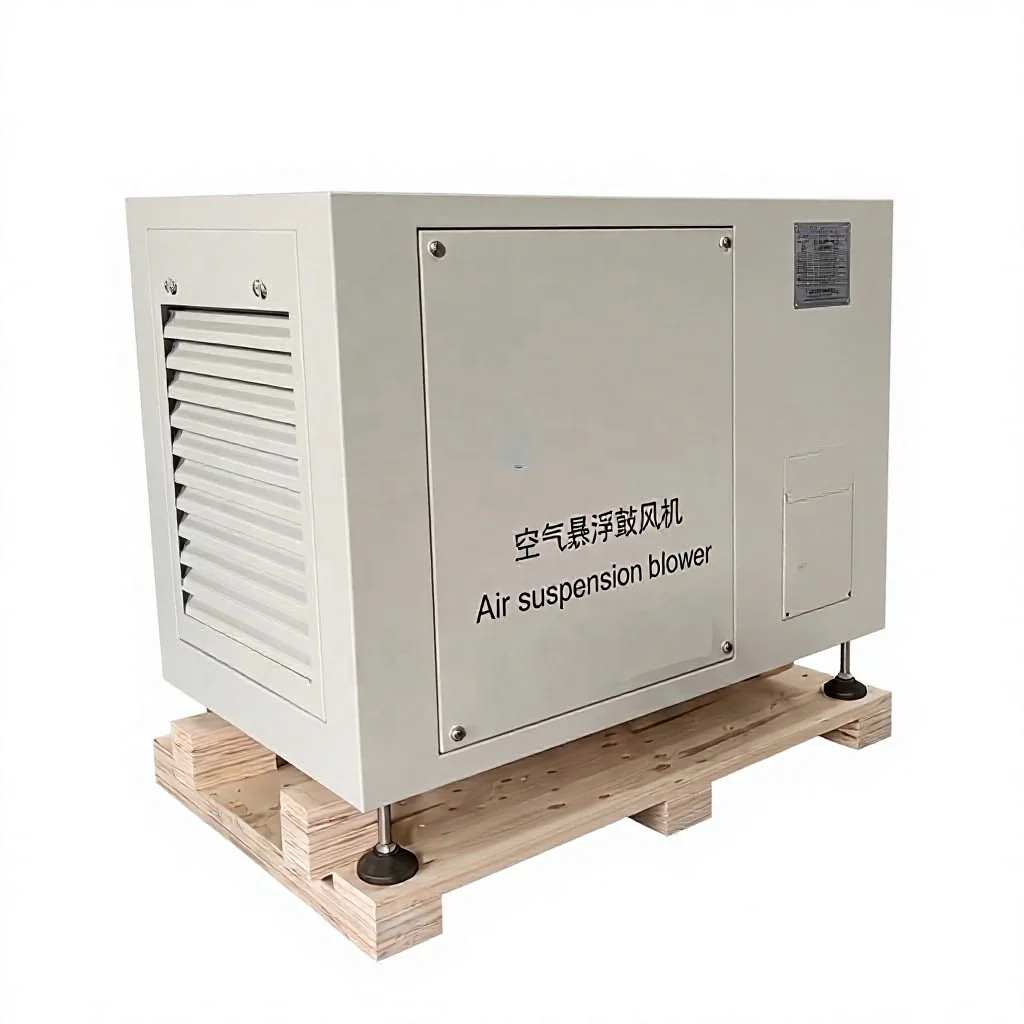
Energy efficiency remains a critical concern for industrial operations seeking to reduce operational costs and environmental impact. Modern industrial equipment must balance performance demands with power consumption constraints, making the selection of appropriate technologies essential for long-term profitability. An air bearing blower represents a significant advancement in achieving these dual objectives through innovative bearing technology and refined mechanical design.
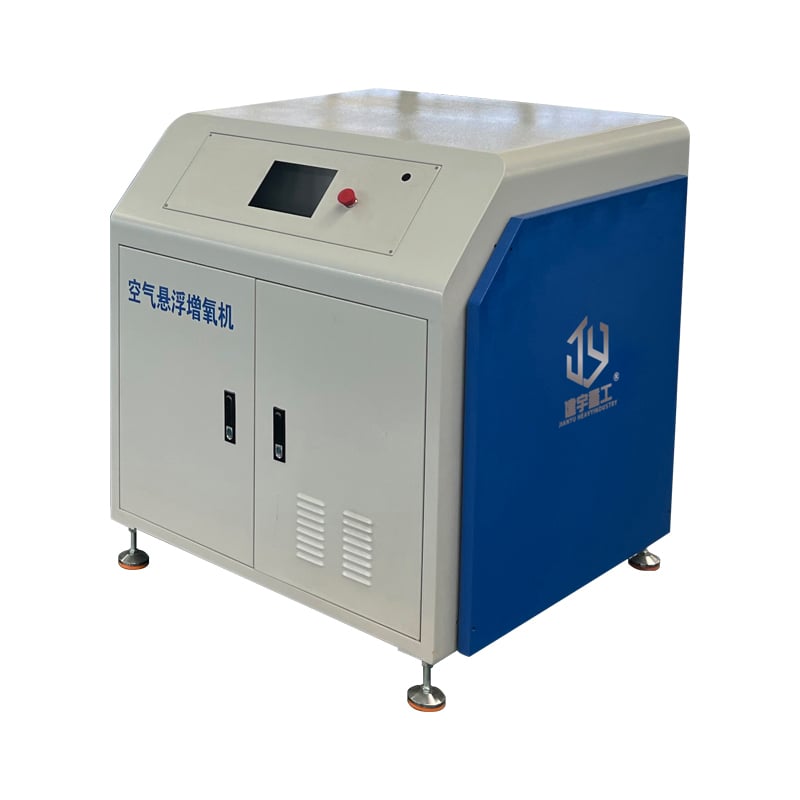
The adoption of pneumatic bearing technology within air bearing systems transforms how industrial facilities approach energy consumption and maintenance requirements. Traditional rolling element bearings generate friction and require ongoing lubrication, both factors that increase energy demands and operational expenses. By contrast, a precision centrifugal blower equipped with advanced bearing solutions operates with dramatically reduced friction losses, enabling substantial energy savings across extended operational periods.
Core Energy Efficiency Mechanisms
Friction Reduction Through Spindle Air Bearing Systems
Spindle air bearing systems eliminate physical contact between rotating and stationary components by maintaining a thin film of pressurized air. This contactless operation means the spindle air bearing system generates minimal friction compared to conventional rolling element bearings. The pneumatic bearing technology inherent in air bearing designs reduces drag forces that would otherwise consume electrical energy, directly translating to lower motor loads and reduced power consumption. Industrial facilities utilizing this approach report energy consumption reductions ranging from fifteen to thirty percent depending on operational profiles and load conditions.
Optimized Rotational Performance
The precision centrifugal blower achieves superior rotational efficiency through aerodynamic design combined with low-friction bearing support. When pneumatic bearing technology supports the rotor, resistance forces decrease substantially, allowing the impeller to rotate with less mechanical resistance. This optimized performance means a precision centrifugal blower can deliver required airflow volumes using lower rotational speeds or reduced motor power ratings. The cumulative effect across operational cycles produces measurable energy savings that compound significantly over annual operation.
Operational Cost Reduction Beyond Energy Consumption
Extended Component Lifespan and Maintenance Benefits
Traditional bearings require periodic lubrication, inspection, and eventual replacement, generating maintenance labor costs and equipment downtime. An air bearing blower eliminates these requirements since pneumatic bearing technology operates without physical contact between surfaces. The spindle air bearing system requires no oil changes, grease replenishment, or bearing replacement procedures, reducing annual maintenance expenses significantly. This maintenance reduction translates directly to improved operational availability and lower total cost of ownership across the equipment lifecycle.
Thermal Management and System Reliability
Friction heat represents a major energy loss mechanism in conventional bearing systems and creates thermal management challenges within industrial equipment. Pneumatic bearing technology generates minimal frictional heat since components do not make physical contact during operation. A precision centrifugal blower benefits from this thermal advantage through reduced cooling requirements and lower ambient operating temperatures. Lower operating temperatures extend component lifespan, reduce thermal stress on motor windings, and enhance system reliability while maintaining consistent energy efficiency performance.
Industrial Application Scenarios and Realized Benefits
High-Speed Production Environments
Production facilities operating high-speed machinery experience the most pronounced benefits from air bearing blower technology implementation. Spindle air bearing systems excel at high rotational speeds where frictional losses increase dramatically in conventional designs. The precision centrifugal blower maintains energy efficiency even at elevated operational speeds, enabling facilities to maintain productivity targets while reducing energy costs. This capability proves particularly valuable in precision manufacturing, semiconductor processing, and similar applications where speed and efficiency must coexist.
Continuous Operation Industrial Processes
Industrial processes operating continuously throughout extended periods amplify the energy savings potential of pneumatic bearing technology. An air bearing blower running continuously for weeks or months eliminates accumulated maintenance requirements and generates compounding energy efficiency gains. Facilities with round-the-clock operations particularly benefit from the combination of reduced energy consumption and minimal maintenance interventions. The reliability advantages of spindle air bearing systems become increasingly valuable as operational duration extends, since conventional bearings require periodic service that interrupts continuous processes.
FAQ
How much energy can an air bearing blower actually save compared to conventional designs?
Energy savings from an air bearing blower typically range from fifteen to thirty percent relative to conventional bearing systems operating under equivalent load and speed conditions. The actual savings percentage depends on specific operational profiles, existing equipment efficiency baselines, and how fully the pneumatic bearing technology advantages align with facility operating patterns. Facilities should conduct detailed energy audits comparing current consumption against potential savings using precision centrifugal blower specifications before making procurement decisions.
Does a spindle air bearing system require compressed air infrastructure investment?
Most industrial facilities already operate compressed air systems for various manufacturing processes, so integrating spindle air bearing system technology typically requires minimal new infrastructure investment. However, facilities must verify that existing compressed air capacity can support the pneumatic bearing technology requirements without creating supply constraints. Sites without existing compressed air systems should evaluate the cost-benefit analysis of building infrastructure against the energy savings potential of the air bearing blower before proceeding.
What maintenance advantages does pneumatic bearing technology provide over time?
Pneumatic bearing technology eliminates conventional maintenance tasks including bearing lubrication, inspection schedules, wear monitoring, and replacement procedures. This maintenance elimination directly reduces labor costs, eliminates equipment downtime for service intervals, and reduces inventory requirements for spare bearings and lubricants. Over multi-year operational periods, the cumulative maintenance cost reduction often rivals or exceeds the energy consumption savings generated by a precision centrifugal blower, making pneumatic bearing technology economically attractive from multiple financial perspectives.