
 EN
EN
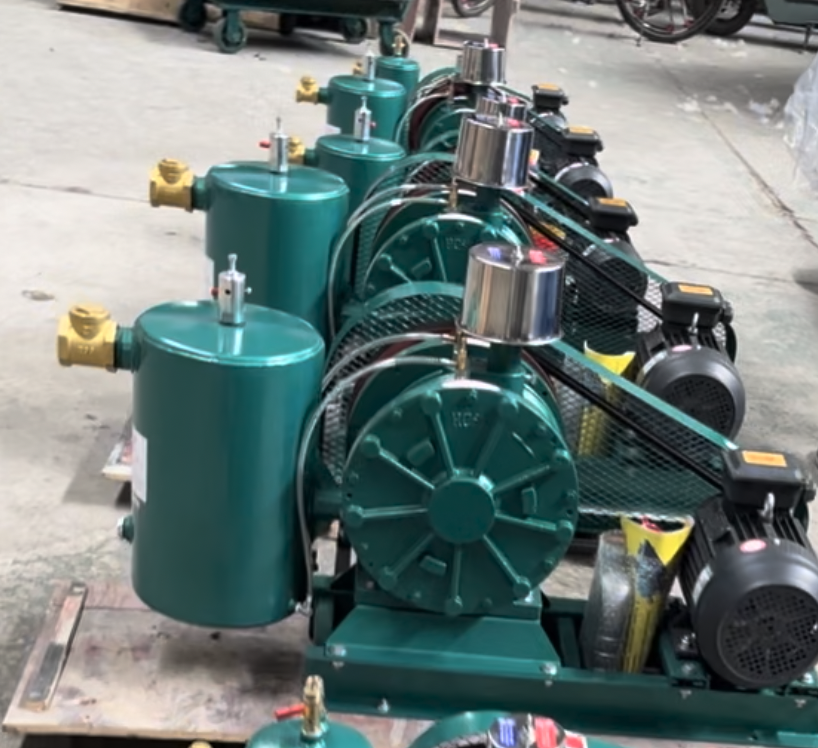
Selecting the right aeration blower requires understanding which technical specifications directly impact system performance, operational cost, and treatment outcomes. In industrial applications, from pond management to municipal wastewater treatment, an aeration blower serves as the heart of the aeration process, delivering compressed air to diffusers and aerators that dissolve oxygen into water. The difference between a well-specified system and a mismatched one can mean thousands of dollars in annual energy costs and inconsistent water quality results.
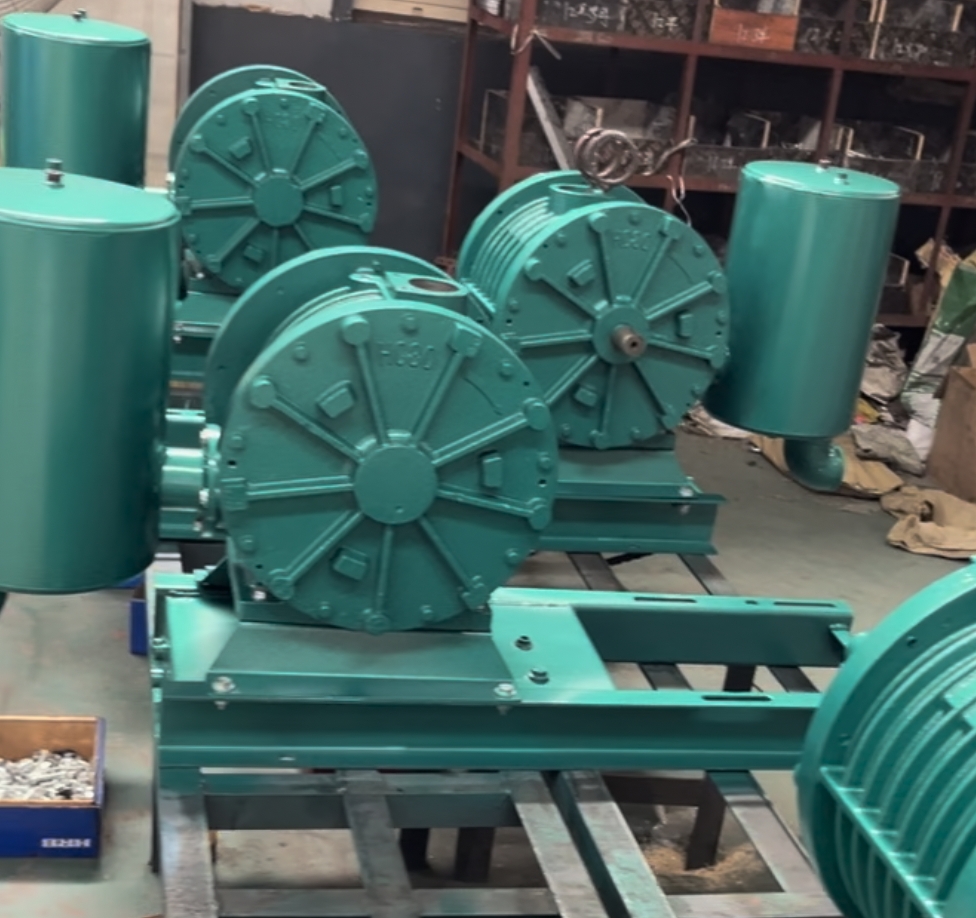
Most facility managers and environmental engineers focus on flow capacity and pressure ratings, yet equally important factors like motor efficiency, noise levels, and control responsiveness often get overlooked until problems emerge. A comprehensive understanding of aeration blower specifications enables you to match equipment to your specific application, optimize energy consumption, and ensure reliable performance over the equipment lifecycle.
Flow Rate and Pressure as Core Performance Drivers
Understanding CFM and Head Requirements
Flow rate, measured in cubic feet per minute (CFM), directly determines how much air your wastewater treatment blower can deliver to diffusers. The required CFM depends on water volume, oxygen demand from biological activity, and desired dissolved oxygen levels. A pond aeration system treating a 500,000-gallon lagoon requires different flow capacity than a 5-million-gallon municipal basin. Undersizing means insufficient oxygen delivery and poor treatment; oversizing wastes energy and inflates capital costs unnecessarily.
Pressure, or 'head,' measured in inches of water column (in. H2O), represents the resistance the blower must overcome to push air through diffusers and piping. Shallow lagoons may require only 8 to 12 in. H2O, while deep tank systems can demand 20 to 35 in. H2O. An air diffuser installation in a 20-foot-deep clarifier demands higher pressure specifications than surface aerators in shallow retention ponds. Matching pressure rating to actual system depth prevents premature equipment failure and maintains consistent air distribution.
Calculating Actual Demand
Your pond aeration system's true CFM demand depends on treatment efficiency targets and biological load. Standard practice applies 1 to 2 pounds of air per pound of biochemical oxygen demand (BOD) removed. If your wastewater treatment blower serves a 50 BOD load, you need roughly 50 to 100 pounds of air per day. Converting this to CFM requires accounting for air density at operating pressure and ambient conditions. Working backward from oxygen transfer efficiency—typically 4 to 6 pounds of oxygen per horsepower per hour for submerged diffusers—helps validate whether a particular blower specification matches your treatment goal.
Motor Efficiency and Energy Optimization
Selecting Premium Efficiency Motors
Motor efficiency directly controls operating cost over 5 to 10 years of continuous operation. An aeration blower running 24/7 consumes roughly 8,760 operating hours annually. A standard-efficiency 10-horsepower motor might draw 8.5 amps under full load, while a premium-efficiency model draws 7.8 amps for the same output. At $0.12 per kilowatt-hour, this 0.7-amp difference saves approximately $700 per year on electricity alone, totaling $7,000 over a decade. Premium-efficiency designs, though costing 15 to 25 percent more upfront, typically pay for themselves within two to three years through energy savings.
Motor selection also affects part-load efficiency in a wastewater treatment blower system. Many facilities operate below peak capacity during low-demand periods or seasonal fluctuations. Premium motors maintain better efficiency curves across 50 to 100 percent of rated load, whereas standard motors perform poorly when undersized. If your pond aeration system experiences variable loading, specify motors designed for wide operating ranges to capture savings during partial-load conditions.
Variable Frequency Drive Compatibility
Integration with variable frequency drives (VFDs) offers dynamic energy management. A VFD-compatible aeration blower slows down during low-demand hours, reducing power consumption quadratically—cutting speed by 20 percent reduces power by roughly 49 percent. For an air diffuser installation serving seasonal lagoons or batch processes, VFD compatibility transforms an oversized system into an adaptive tool that maintains efficiency across changing conditions. Motors must be rated for VFD service to prevent winding damage from rapid switching frequencies.
Sound Levels, Reliability, and Long-Term Value
Noise Considerations for Site Integration
An aeration blower generates noise levels between 75 and 95 decibels depending on design, speed, and housing. Facilities near residential areas, parks, or wildlife refuges face regulatory noise limits typically set at 85 decibels at 50 feet. Centrifugal designs tend to produce higher frequencies that travel distance, while positive-displacement blowers generate lower-frequency rumble with shorter propagation range. Enclosures and vibration isolation add cost but become essential when a wastewater treatment blower sits adjacent to property lines. Selecting inherently quieter designs upfront prevents expensive retrofits later.
Durability and Bearing Design
Bearing type and lubrication strategy define maintenance demands and equipment lifespan. Oil-lubricated bearings in positive-displacement blowers typically last 20,000 to 40,000 operating hours with scheduled maintenance. Sealed rolling-element bearings reduce servicing needs but may have lower continuous-duty ratings. A pond aeration system experiencing vibration from unbalanced loads or cavitation will fail prematurely regardless of bearing quality, so proper installation and balanced impeller design matter equally. Reviewing bearing replacement cost and availability ensures your air diffuser installation remains serviceable throughout its expected lifecycle.
Temperature rise during extended operation indicates whether a blower can sustain continuous duty. Specifications should guarantee safe operation below 65 degrees Celsius at rated load and ambient conditions up to 40 degrees Celsius. Undersized cooling or inadequate ventilation can cause thermal shutdowns and treatment interruptions. Premium designs incorporate thermal management features that allow sustained high-capacity aeration blower performance even during peak summer loading.
FAQ
What flow capacity does a pond aeration system typically need?
Flow requirements vary widely based on water volume, organic load, and target dissolved oxygen levels. Small retention ponds may need 10 to 50 CFM, while large municipal treatment lagoons demand 500 to 2,000 CFM or more. Consulting pond or wastewater treatment engineers and analyzing your specific BOD load provides the accurate CFM specification for your aeration blower application.
How does an air diffuser installation affect pressure specifications?
Air diffuser installation depth and type directly determine required pressure. Fine-bubble diffusers in deep tanks create higher resistance than coarse bubbles in shallow systems. A wastewater treatment blower must overcome water depth, diffuser resistance, and piping friction. Deeper installations and longer air lines require higher-pressure ratings, typically 15 to 40 in. H2O for industrial applications.
Can I save money by choosing a standard-efficiency aeration blower?
Initial purchase cost is lower with standard-efficiency models, but long-term operating cost usually favors premium-efficiency designs. Over a 10-year operating period with continuous duty, energy savings from efficient motors typically exceed upfront premium costs by 40 to 60 percent, making premium-efficiency aeration blower selection a sound investment for most permanent installations.