
 EN
EN
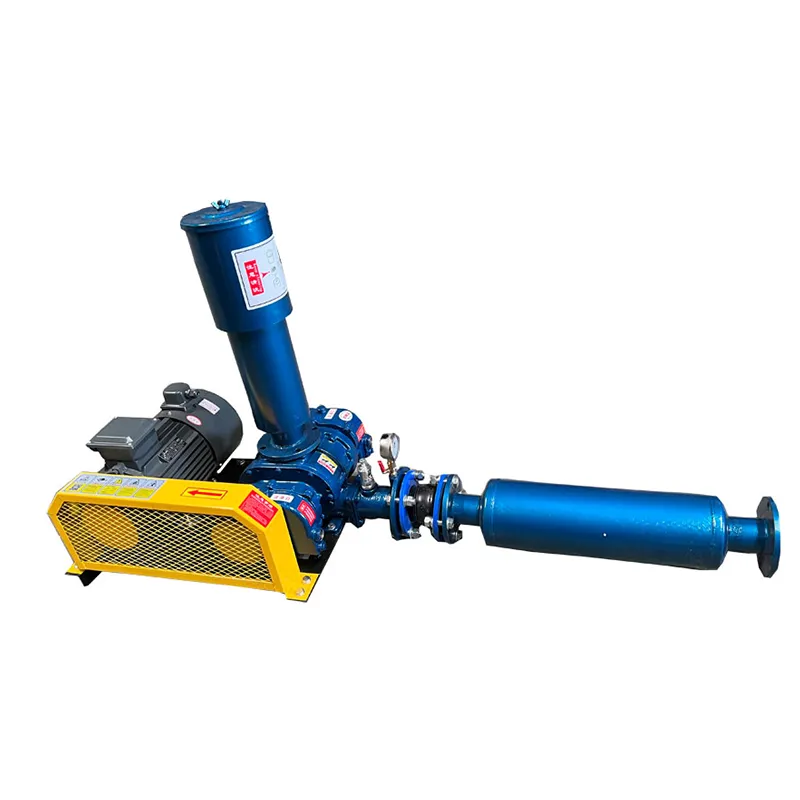
Modern aquaculture operations depend on reliable systems to maintain optimal water conditions for fish health and productivity. Aquaculture equipment plays a central role in achieving consistent water quality management, directly influencing yield, survival rates, and operational profitability. Advanced fish farm technology enables farmers to monitor, control, and optimize dissolved oxygen levels, ammonia concentrations, pH balance, and temperature across their entire pond ecosystem in real time.
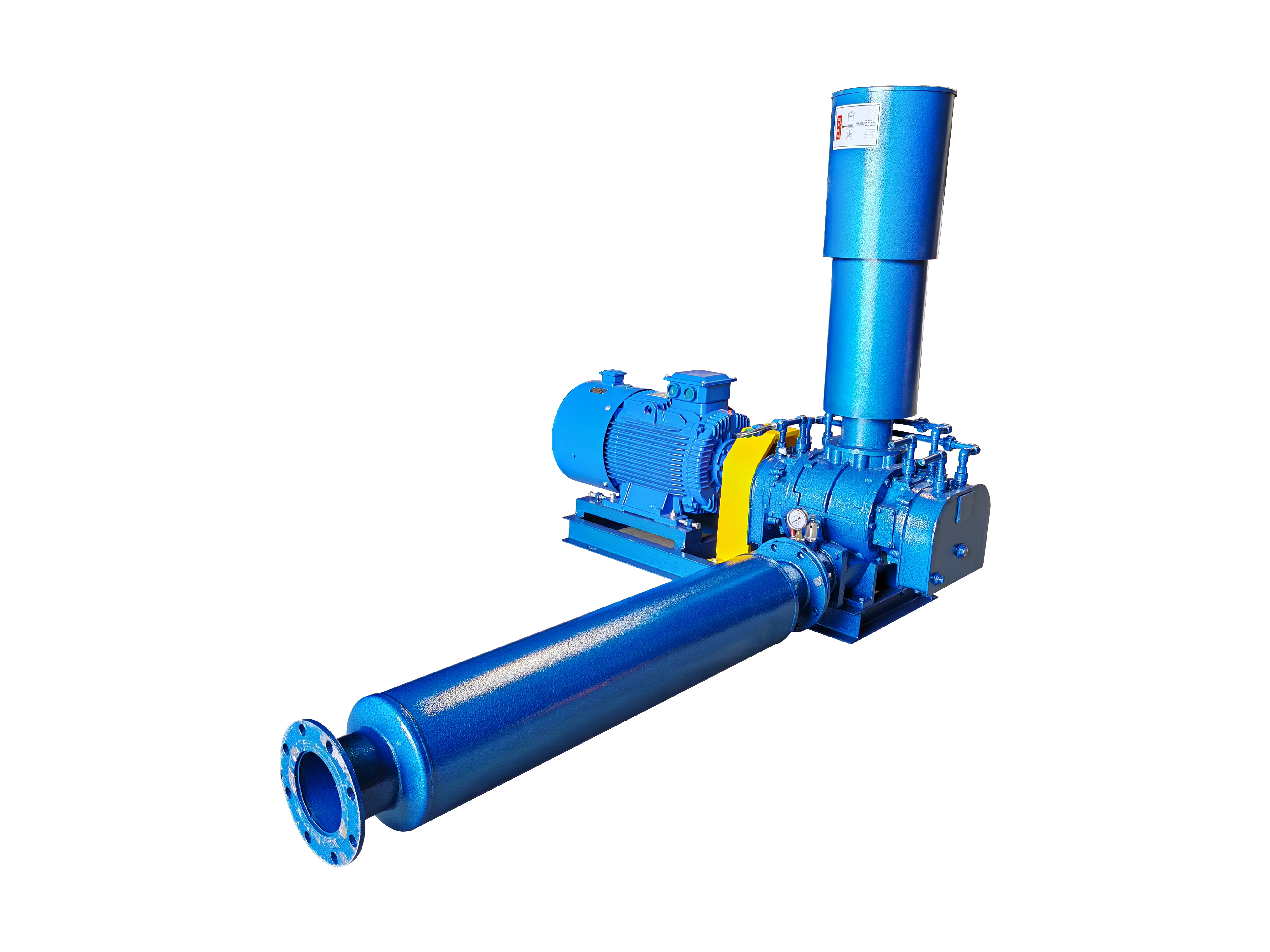
Water quality monitoring systems form the backbone of successful aquaculture operations, providing continuous data collection and analysis that informs critical management decisions. When aquaculture equipment is properly selected, installed, and maintained, farmers gain unprecedented control over their growing environment, reducing stress on fish stocks and minimizing disease outbreaks. This article explores how modern aquaculture pond management techniques and technology create healthier production environments while maintaining cost efficiency and sustainability standards.
Core Functions of Aquaculture Equipment in Water Quality Control
Oxygen Management and Aeration Systems
Dissolved oxygen remains the most critical water quality parameter in any aquaculture operation, and fish farm technology designed for aeration directly addresses this challenge. Inadequate oxygen levels cause stress, slow growth, and increased disease susceptibility among farmed fish populations. Modern aeration systems using root blowers, paddle wheels, and submersible diffusers maintain oxygen saturation at levels that support vigorous fish metabolism and waste decomposition.
The selection of appropriate aeration aquaculture equipment depends on pond depth, surface area, water circulation requirements, and local environmental conditions. Advanced fish farm technology now integrates variable frequency drives that adjust aeration intensity based on real time dissolved oxygen readings, reducing energy consumption while maintaining optimal conditions. This intelligent approach to aquaculture pond management ensures consistent water quality without unnecessary operational expense.
Waste Removal and Filtration Technologies
Fish excretion and uneaten feed accumulate rapidly in aquaculture systems, creating toxic ammonia and nitrogen compounds that degrade water quality and harm fish health. Water quality monitoring systems equipped with modern aquaculture equipment can track ammonia concentrations and trigger automated waste removal protocols. Mechanical filters, biological reactors, and sediment collection systems working together form an integrated aquaculture pond management strategy that prevents dangerous nutrient buildup.
Effective waste management through proper fish farm technology extends the intervals between water exchanges, conserving resources and maintaining microbial community stability. The combination of real time water quality monitoring systems and responsive mechanical equipment creates predictable, stable growing conditions that support higher stocking densities without environmental degradation.
Water Quality Monitoring Systems and Data Integration
Sensor Technology and Real Time Data Collection
Contemporary water quality monitoring systems employ multi-parameter sensors that measure dissolved oxygen, ammonia, nitrate, pH, temperature, and turbidity simultaneously. Fish farm technology that integrates these sensors with cloud-based data platforms enables remote monitoring and rapid response to emerging water quality problems. Aquaculture equipment manufacturers now design probes that provide continuous, accurate measurements while resisting biofouling and corrosion from aggressive aquatic environments.
Real time data collection transforms aquaculture pond management from reactive problem solving into proactive environmental optimization. Farmers can access water quality metrics from any location, receive automated alerts when parameters drift outside target ranges, and make informed adjustments to aeration, feeding, or other operational variables. This data driven approach to aquaculture equipment management significantly improves consistency and reduces the likelihood of catastrophic water quality events.
Automated Control and Response Systems
Advanced aquaculture equipment now incorporates automated feedback loops that respond immediately to changing water quality conditions without human intervention. Fish farm technology featuring proportional valves, dosing pumps, and intelligent controllers can adjust pH through limestone addition, reduce ammonia through biofiltration activation, or increase aeration based on dissolved oxygen trends. These systems represent the convergence of water quality monitoring systems and automated management, creating resilient aquaculture pond management environments.
Integration between multiple pieces of aquaculture equipment allows for coordinated responses that prevent compounding problems. For example, when dissolved oxygen drops, aeration equipment activates while feed dispensers reduce input to decrease organic load. This orchestrated approach, enabled by modern fish farm technology, maintains stability across multiple water quality parameters simultaneously.
Practical Implementation and Maintenance Strategies
Equipment Selection for Specific Pond Conditions
Choosing appropriate aquaculture equipment requires detailed assessment of site specific factors including pond geometry, climate, target species, and desired production density. Different fish farm technology configurations suit different operational scales and environmental contexts. Water quality monitoring systems designed for small recirculating operations differ substantially from those deployed in large earthen pond systems, yet both must deliver accurate data that supports effective aquaculture pond management decisions.
Consultation with experienced aquaculture equipment specialists ensures that selected systems align with operational goals and environmental constraints. Undersized aeration equipment cannot maintain adequate oxygen even during high stocking periods, while oversized systems waste energy and capital investment. Proper fish farm technology scaling directly impacts the long term profitability and sustainability of aquaculture operations.
Maintenance and Troubleshooting Protocols
Regular maintenance of aquaculture equipment prevents failures that can rapidly degrade water quality and cause mass fish mortality events. Water quality monitoring systems require calibration schedules, sensor replacement protocols, and electrical component inspections to ensure continued accuracy. Fish farm technology operators must understand how to troubleshoot common equipment problems and recognize early warning signs of mechanical degradation or sensor drift.
Scheduled preventive maintenance supported by comprehensive aquaculture pond management protocols extends equipment lifespan and maintains data reliability. Documentation of maintenance activities, equipment performance trends, and water quality responses creates institutional knowledge that improves operational efficiency over multiple production cycles.
FAQ
How frequently should water quality monitoring systems be calibrated?
Water quality monitoring systems require monthly calibration to maintain accuracy, with some sensors needing more frequent attention depending on environmental conditions and sensor type. Fish farm technology specifications typically define calibration intervals, and adherence to these schedules ensures that aquaculture equipment provides reliable data for management decisions. Advanced fish farm technology may include automated self calibration features that reduce manual labor while maintaining data integrity.
Can aquaculture equipment reduce the need for water exchanges?
Well designed aquaculture equipment and comprehensive water quality monitoring systems can significantly extend intervals between water exchanges by maintaining optimal conditions and removing accumulated waste. Aquaculture pond management strategies that prioritize waste removal, aeration, and biological filtration create more stable environments that function effectively at higher densities. However, complete elimination of water exchanges is typically not feasible due to accumulation of refractory compounds and the need to manage microbial community structure.
What is the typical lifespan of modern fish farm technology sensors?
Most water quality monitoring systems sensors remain functional for two to five years depending on usage intensity, water chemistry, and maintenance protocols. Fish farm technology sensors exposed to challenging conditions such as high suspended solids or aggressive chemical environments may require more frequent replacement. Regular inspection and adherence to aquaculture equipment manufacturer recommendations for sensor maintenance and replacement ensures consistent, accurate monitoring throughout extended aquaculture pond management seasons.