
 EN
EN
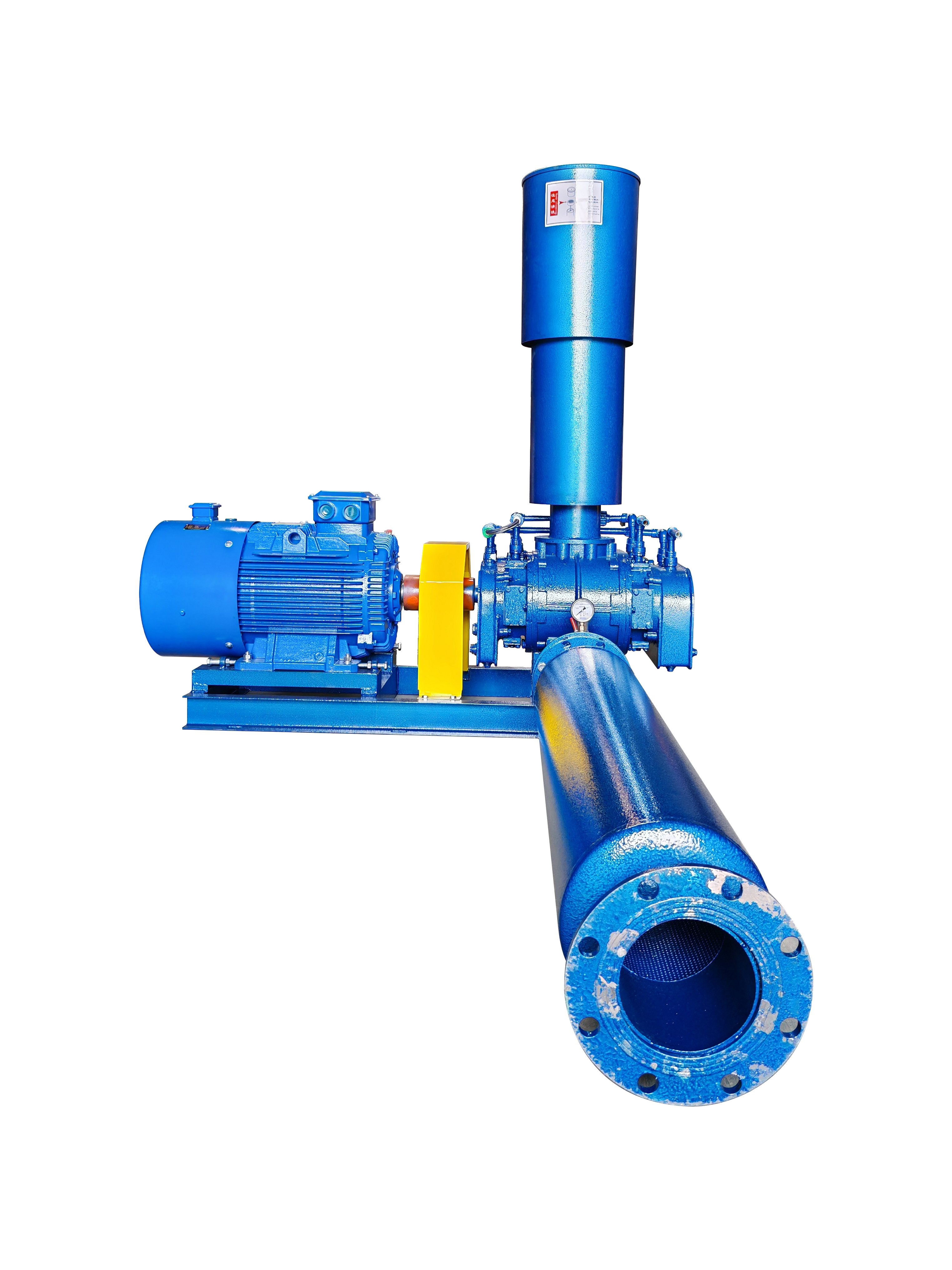
A successful roots blower manufacturer must combine engineering precision, advanced manufacturing infrastructure, and deep understanding of industrial applications to deliver reliable equipment. The ability to design and produce roots blowers that meet specific operational demands separates industry leaders from competitors. Understanding what production capabilities a roots blower manufacturer should possess helps buyers identify suppliers capable of delivering solutions tailored to their unique air handling and material conveying needs.
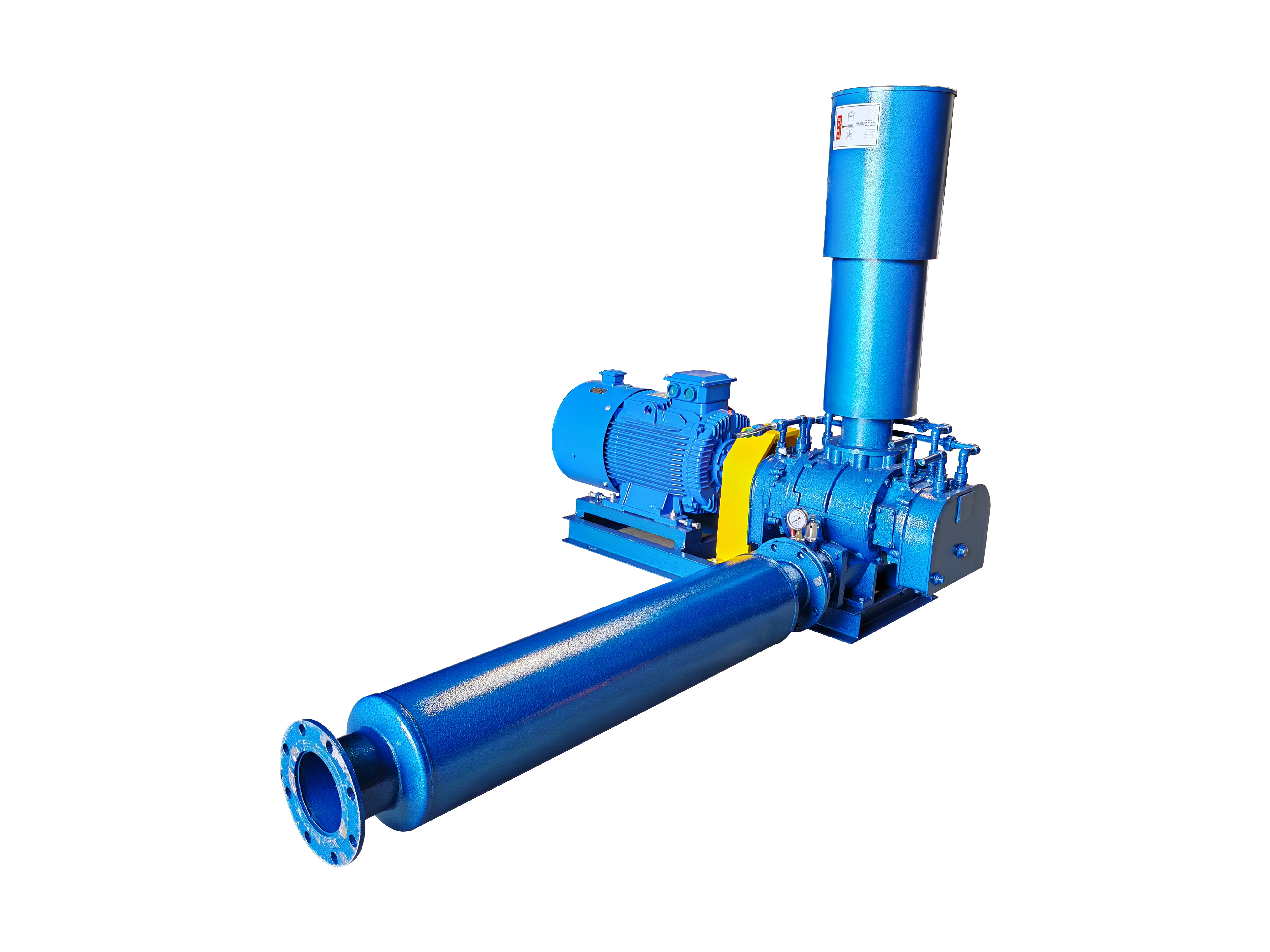
Selecting the right roots blower manufacturer requires evaluating their technical depth, manufacturing quality, and capacity to customize solutions. A capable manufacturer demonstrates expertise in positive displacement blower specifications, offers advanced tooling and quality control systems, and maintains the flexibility to adapt equipment for diverse industrial scenarios. This article examines the critical production capabilities that define a dependable roots blower manufacturer.
Engineering and Design Capabilities
Custom Specification Development
A competent roots blower manufacturer must possess robust engineering teams capable of analyzing customer requirements and translating them into actionable design specifications. Positive displacement blower specifications demand precise calculations of displacement volume, rotor geometry, clearances, and material selection to achieve target performance metrics. The manufacturer should utilize computer-aided design, computational fluid dynamics analysis, and performance modeling to optimize blower characteristics before physical production begins.
Custom specification development distinguishes premium manufacturers from commodity suppliers. When industrial air handling equipment applications vary across chemical processing, wastewater treatment, pneumatic conveying, and food processing, the manufacturer must adapt designs accordingly. This requires deep familiarity with industry standards, certification requirements, and application-specific performance expectations. The ability to consult with engineers and iteratively refine designs before committing to production reduces costs and accelerates market readiness for end users.
Performance Rating and Validation
Testing and validation capabilities form the backbone of rotary lobe compressor performance ratings. A roots blower manufacturer should operate certified testing laboratories equipped to measure flow rates, pressure capabilities, power consumption, and noise levels under controlled conditions. These laboratories must comply with international standards such as ISO, ASME, and relevant industry certifications to ensure results align with customer expectations and regulatory requirements.
Beyond initial design validation, manufacturers should conduct long-term reliability testing that simulates real-world operating conditions. Rotary lobe compressor performance ratings become meaningful only when supported by comprehensive test data under varying load profiles and environmental conditions. Manufacturers who invest in advanced testing infrastructure demonstrate confidence in product quality and provide customers with documented performance evidence that justifies equipment investment and operational planning.
Manufacturing Infrastructure and Quality Control
Precision Machining and Assembly
The production capability of a roots blower manufacturer depends heavily on precision machining equipment and skilled assembly processes. Manufacturing rotors, housings, bearings, and shafts to tight tolerances ensures reliable performance and extended service life. Multi-axis CNC equipment, precision grinding systems, and coordinate measuring machines form the foundation of modern manufacturing for positive displacement blower specifications. These tools enable manufacturers to maintain dimensional accuracy that directly impacts efficiency, reliability, and noise characteristics.
Assembly processes must be equally rigorous, with trained technicians following detailed procedures to ensure rotor alignment, bearing preload, seal installation, and pressure testing occur consistently. A roots blower manufacturer demonstrating in-house machining and assembly capabilities reduces dependency on external suppliers, improves quality consistency, and accelerates production schedules. Vertical integration from raw material procurement through final testing gives manufacturers greater control over industrial air handling equipment applications performance.
Quality Management and Certification
Established roots blower manufacturers maintain comprehensive quality management systems conforming to ISO 9001 and industry-specific certifications. These systems encompass incoming material inspection, in-process quality checks, final product testing, and documentation procedures that create traceability throughout the manufacturing process. Quality certifications provide customers with assurance that equipment meets stated specifications and regulatory compliance requirements.
Beyond basic certification, premium manufacturers implement continuous improvement methodologies that reduce defect rates and enhance reliability. Statistical process control, root cause analysis of field failures, and design optimization based on operational data demonstrate commitment to ongoing quality enhancement. Rotary lobe compressor performance ratings improve when manufacturers proactively identify and eliminate manufacturing weaknesses through systematic improvement programs.
Customization Capacity and Material Expertise
Flexible Production Systems
A modern roots blower manufacturer requires flexible production systems capable of accommodating both standardized and customized equipment designs. While high-volume production of standard models drives cost efficiency, the ability to produce limited quantities of specialized configurations serves customers with unique requirements. This flexibility demands modular tooling, adaptable assembly fixtures, and manufacturing processes that scale smoothly between production volumes without sacrificing quality.
Customization capability extends to positive displacement blower specifications across displacement sizes, pressure ratings, material options, and driver configurations. Industrial air handling equipment applications in corrosive environments, high-temperature conditions, or hazardous areas require material selection and design modifications beyond standard offerings. Manufacturers demonstrating rapid prototyping and small-batch production capabilities serve niche markets and develop customer relationships that drive long-term business growth.
Material Selection and Surface Treatment
Material expertise distinguishes capable roots blower manufacturers from basic producers. Applications involving corrosive gases, abrasive materials, or high temperatures demand material selections that withstand environmental stresses while maintaining performance characteristics. Manufacturers should offer cast iron, ductile iron, aluminum, and specialty alloy options, each suited to specific operational contexts and cost profiles.
Surface treatment capabilities including coatings, corrosion protection, and wear-resistant finishes extend equipment life in challenging environments. Rotary lobe compressor performance ratings depend not only on initial design but also on material durability under application-specific stresses. A roots blower manufacturer offering material consultation and surface treatment options demonstrates technical depth and commitment to delivering solutions that deliver value across the full equipment lifecycle.
FAQ
What production capabilities define a reliable roots blower manufacturer?
A reliable roots blower manufacturer demonstrates precision engineering capabilities, advanced machining infrastructure, comprehensive quality management systems, and expertise in positive displacement blower specifications. They maintain testing laboratories to validate rotary lobe compressor performance ratings, offer customization capacity for diverse industrial air handling equipment applications, and maintain material expertise for specialized environments. These capabilities ensure consistent quality, reliable performance, and solutions tailored to customer needs.
How should buyers evaluate a roots blower manufacturer's production quality?
Evaluate manufacturers through ISO certifications, testing laboratory accreditations, documented rotary lobe compressor performance ratings, and material certifications. Request facility tours to assess manufacturing infrastructure, precision equipment, and quality control systems. Review case studies demonstrating successful industrial air handling equipment applications in industries matching your operational profile. Speak with existing customers about reliability, support, and whether the manufacturer delivered promised positive displacement blower specifications performance.
Why does customization capacity matter when selecting a roots blower manufacturer?
Customization capacity allows manufacturers to adapt positive displacement blower specifications and industrial air handling equipment to unique operational requirements rather than forcing standardized solutions onto specialized applications. Rotary lobe compressor performance ratings achieved through tailored designs deliver superior value by optimizing efficiency, reliability, and cost-effectiveness for specific use cases. Manufacturers with flexible production systems and material expertise can address emerging industry demands and evolving customer requirements without lengthy redesign cycles.