
 EN
EN
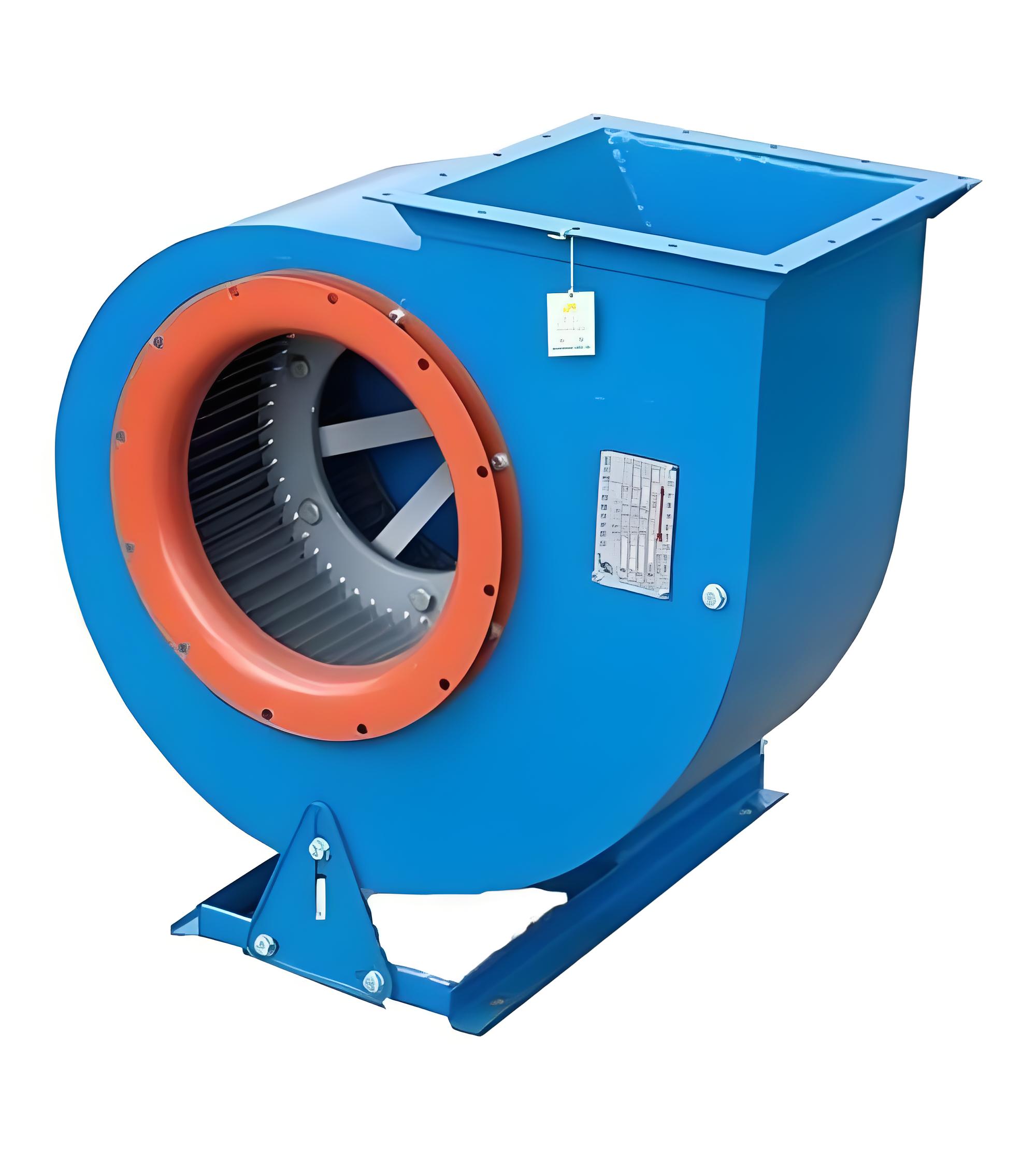
Industrial air systems demand equipment that balances performance, reliability, and operational efficiency. A centrifugal blower has become the backbone of many industrial operations because of its exceptional ability to handle high volumes of air with consistent pressure. Understanding what makes this equipment suitable for industrial environments requires examining its core characteristics, operational advantages, and how it aligns with system demands across manufacturing, process control, and ventilation applications.
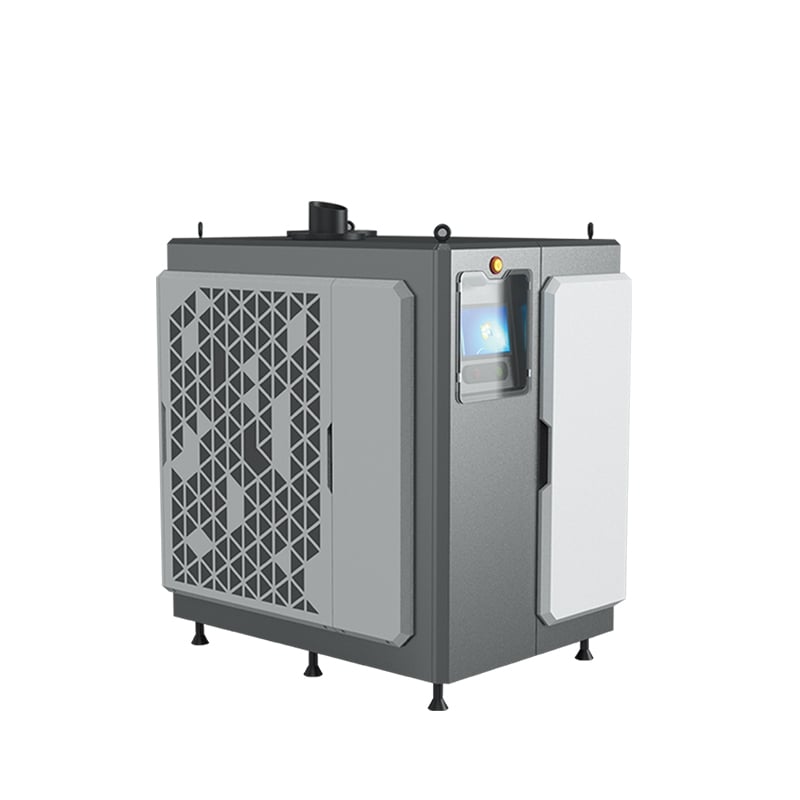
The suitability of a centrifugal blower for industrial air systems depends on several interdependent factors that determine whether the equipment will meet application requirements, comply with operational constraints, and deliver cost-effective performance over its service life. Industrial facilities face pressure to optimize energy consumption, minimize downtime, and maintain consistent process conditions. A properly selected centrifugal blower selection guide helps operators and engineers evaluate design specifications, installation requirements, and expected performance outcomes.
Core Design Features That Define Industrial Suitability
Pressure Capability and Volume Handling
Industrial applications require blowers that generate sufficient static pressure to overcome resistance in ductwork, filters, and process equipment while maintaining steady airflow. Centrifugal blowers excel at producing high pressure relative to positive displacement alternatives, making them ideal for applications where air must travel through complex networks or overcome significant resistance. The impeller design creates a pressure gradient that accelerates air radially outward, enabling efficient operation across varying load conditions. This pressure-handling capability makes the centrifugal blower particularly valuable in dust collection systems, pneumatic conveying, and pressurized process enclosures where maintaining consistent flow rates is critical for operational success.
Energy Efficiency and Power Requirements
Industrial operations prioritize energy consumption because operating costs directly impact profitability. Centrifugal blowers convert motor power into useful work with efficiency ratings that typically range from sixty to eighty percent depending on design and operating point. The curved blade design minimizes turbulence and flow separation, reducing waste heat generation. Industrial facilities benefit because lower energy consumption translates to reduced operating expenses and lower environmental impact. Modern centrifugal blower selection guide recommendations emphasize matching the blower to the actual system requirement rather than oversizing, which prevents unnecessary energy waste and extends equipment service life.
Addressing Industrial Operational Challenges
Centrifugal Blower Noise Reduction Strategies
Factory environments demand attention to noise control because excessive sound levels affect worker safety, regulatory compliance, and workplace quality. Centrifugal blower noise reduction has become a primary design consideration in modern equipment. Noise primarily originates from blade-pass frequency interaction with the housing, turbulent flow patterns, and mechanical vibration transmission. Manufacturers address centrifugal blower noise reduction through impeller aerodynamic optimization, elastomeric isolation mounts, and sound-absorbing duct linings. Installing discharge diffusers and inlet bells further attenuates acoustic energy. Industrial facilities that prioritize noise management achieve compliance with occupational safety standards while improving employee working conditions and reducing potential liability from noise-related health issues.
Vibration Control and Bearing Integrity
Industrial blowers operate for extended periods under varying load conditions, creating mechanical stress on rotating components. Vibration indicates misalignment, bearing wear, or impeller imbalance. Centrifugal blower maintenance and troubleshooting requires regular monitoring of vibration signatures to detect developing problems before equipment failure occurs. Proper bearing selection, precise shaft alignment, and dynamic balancing during manufacturing prevent excessive vibration that shortens equipment life. Industrial facilities invest in condition monitoring systems that track vibration patterns and alert operators when maintenance intervention becomes necessary.
Maintenance and Long-Term Reliability Considerations
Centrifugal Blower Maintenance and Troubleshooting Essentials
Industrial equipment must remain operational with minimal unplanned downtime. Centrifugal blower maintenance and troubleshooting encompasses lubrication schedules, bearing inspection, impeller cleaning to remove accumulated dust, and motor performance verification. Dust accumulation on impeller blades reduces efficiency and increases vibration, making regular cleaning essential for sustained performance. Oil analysis identifies bearing degradation early, allowing planned maintenance before catastrophic failure. Motor current signature analysis detects electrical problems that precede failure. Following systematic centrifugal blower maintenance and troubleshooting protocols extends equipment life, reduces emergency repairs, and minimizes production interruptions.
Filter Management and System Integration
Centrifugal blowers operate effectively only when inlet filters remain clean and system resistance stays within design parameters. Progressive filter clogging increases pressure drop, forcing the blower to work harder and consuming additional energy. Industrial applications benefit from pressure gauges that indicate filter condition and alert maintenance teams when cleaning becomes necessary. The centrifugal blower selection guide emphasizes that system design must account for filter resistance and include provisions for filter replacement or cleaning without shutting down entire operations when feasible.
Making Informed Selection Decisions
Application Requirements and Performance Matching
The centrifugal blower selection guide directs engineers to quantify specific application requirements including required airflow volume, system static pressure, temperature conditions, and contaminant levels. Dust-laden air requires different design approaches than clean applications. Corrosive environments demand special materials. High-temperature processes need thermally stable bearings and seals. By clearly defining these parameters before equipment selection, facilities ensure the chosen centrifugal blower matches actual needs rather than generic specifications. Oversizing creates energy waste; undersizing creates operational failures.
Integration with Existing Infrastructure
Industrial facilities must consider how a centrifugal blower integrates with existing ductwork, motors, electrical systems, and control infrastructure. Mounting footprint constraints, available power supply capacity, and shaft speed compatibility influence selection decisions. The centrifugal blower selection guide recommends consulting equipment specifications against facility constraints before procurement. Proper installation alignment and vibration isolation systems ensure smooth integration that maximizes performance and minimizes disruptions to surrounding equipment and processes.
FAQ
Why should industrial facilities choose centrifugal blowers over positive displacement alternatives?
Centrifugal blowers excel at producing high pressure efficiently while handling large volumes with minimal pulsation and vibration compared to positive displacement units. They operate smoothly across varying load conditions, produce lower noise, and require less maintenance. For applications requiring steady, continuous operation with high reliability, centrifugal blower performance characteristics outweigh positive displacement advantages in most industrial scenarios.
How often should centrifugal blower maintenance and troubleshooting activities occur?
Maintenance intervals depend on operating hours, environmental conditions, and application severity. Most industrial facilities establish monthly visual inspections, quarterly bearing checks, and annual comprehensive reviews. Centrifugal blower maintenance and troubleshooting becomes more frequent in dusty or contaminated environments. Predictive maintenance systems monitor vibration and temperature continuously, allowing condition-based intervention rather than fixed schedules, optimizing resource allocation and preventing unexpected failures.
What factors most influence centrifugal blower noise reduction performance?
Impeller blade aerodynamic design, discharge housing geometry, bearing isolation systems, and inlet duct configuration collectively determine noise output. Centrifugal blower noise reduction improves with optimized blade curvature that minimizes turbulence, elastomeric isolation mounts that dampen vibration transmission, and acoustic linings in critical areas. Selecting appropriate speed for the specific application also reduces blade-pass frequency noise. Consulting a centrifugal blower selection guide that addresses noise specifications ensures selection of equipment meeting industrial acoustic requirements.