
 EN
EN
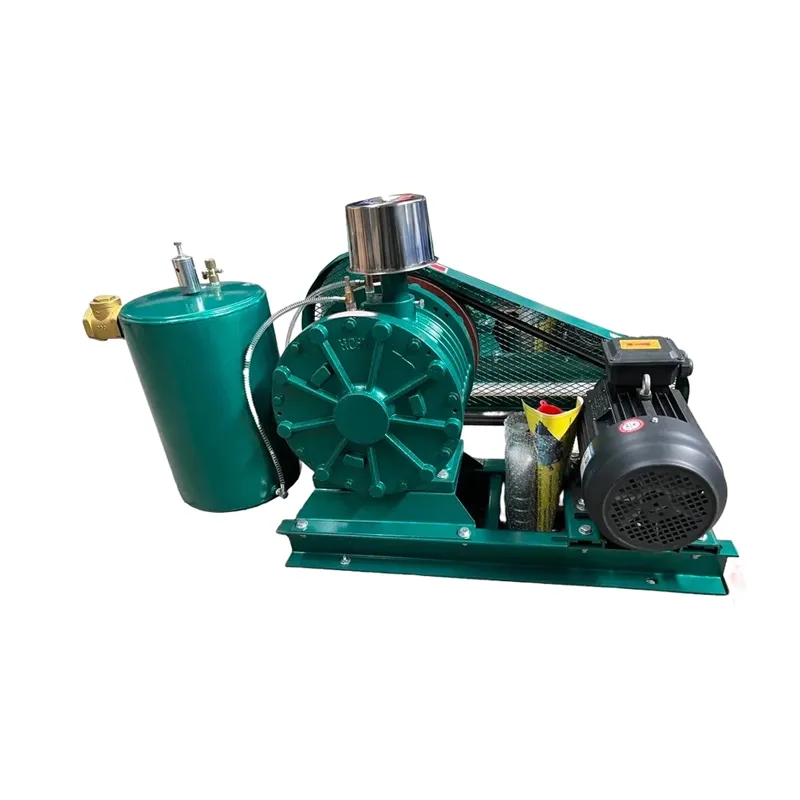
Selecting the right equipment for industrial operations requires careful evaluation of technical specifications and performance standards. Positive displacement blowers represent a critical investment in operations ranging from wastewater treatment to pneumatic conveying. Understanding procurement criteria that distinguish high-quality units from inferior alternatives directly impacts operational efficiency, maintenance costs, and long-term return on investment. Industrial buyers must move beyond basic price comparisons and evaluate the fundamental design elements, material standards, and performance characteristics that define equipment durability and reliability.
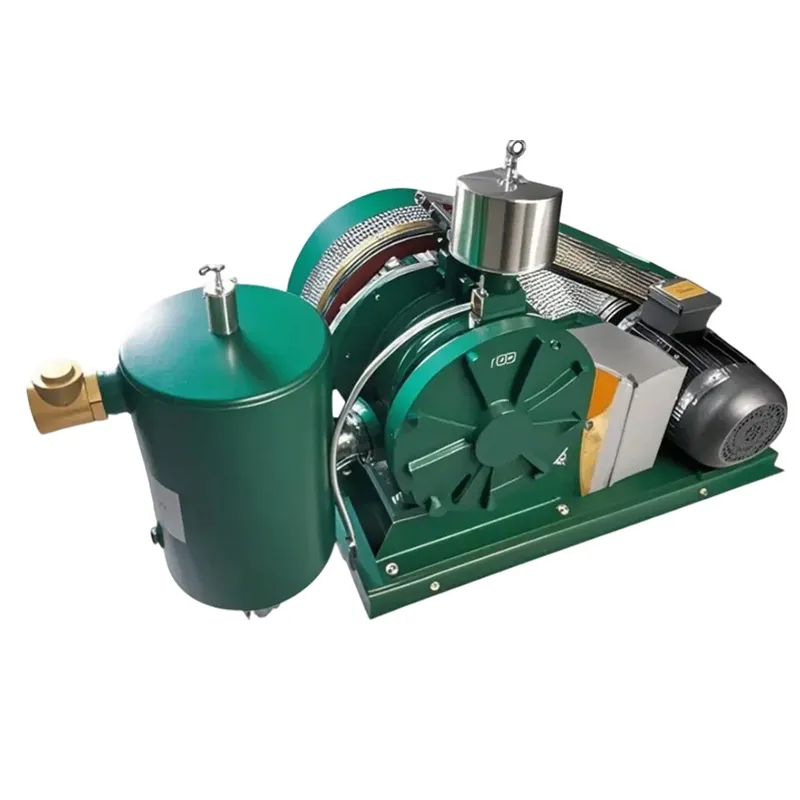
The procurement process for positive displacement blowers demands systematic evaluation across multiple dimensions including mechanical design quality, operational efficiency ratings, and proven field performance. High-quality equipment delivers consistent pressure delivery, minimizes energy consumption, and withstands harsh industrial environments without premature degradation. Procurement teams must establish clear technical specifications before engaging suppliers to ensure that equipment meets application-specific requirements while maintaining long-term value.
Core Design and Material Standards
Rotary Lobe Blower Configuration
The internal design of rotary lobe blower applications directly influences performance consistency and operational lifespan. Premium positive displacement blowers feature precisely machined rotors that maintain minimal clearances with internal housing walls, reducing slip and maximizing volumetric efficiency. Material composition significantly impacts durability; cast iron housings provide superior heat dissipation compared to aluminum alternatives in demanding industrial air compression systems. The rotor profile geometry determines pressure ripple characteristics and noise generation, with advanced designs engineered to operate smoothly across variable load conditions. Procurement teams should verify that internal components undergo rigorous quality control testing before equipment shipment, confirming that tolerances meet specified limits.
Seal and Bearing Systems
High-quality positive displacement pump technology incorporates advanced bearing configurations that sustain extended operational intervals without lubrication failure. Double-acting seal systems protect internal chambers from contamination while minimizing leakage rates that reduce volumetric efficiency. Synthetic bearing materials and precision-ground raceways enhance load-carrying capacity and reduce vibration transmission to surrounding structures. Procurement specifications should require bearing life ratings calculated according to ISO standardized methodologies, providing quantifiable baseline expectations for maintenance scheduling. Suppliers of superior equipment typically provide bearing replacement schedules and component availability documentation during the specification phase.
Performance Specifications and Efficiency Metrics
Pressure Delivery Consistency
Positive displacement blowers must deliver consistent discharge pressure across variable flow demand scenarios, a critical requirement for applications utilizing rotary lobe blower applications in process control environments. High-quality equipment maintains pressure stability within tight tolerance bands, preventing downstream equipment damage and process interruption. Procurement documents should specify maximum pressure ripple percentages and discharge temperature limits under sustained operation. Third-party performance testing certificates validate that equipment meets advertised specifications, providing independent verification independent of manufacturer claims. Industrial air compression systems utilizing premium blowers demonstrate reduced energy consumption because consistent pressure delivery eliminates inefficient surge cycling and pressure fluctuations.
Volumetric Efficiency and Power Consumption
Volumetric efficiency directly correlates with energy costs across the equipment lifecycle, representing the most significant operating expense after initial capital investment. Superior positive displacement pump technology achieves volumetric efficiency ratings exceeding ninety-five percent under design operating conditions, contrasting sharply with lower-grade alternatives operating below eighty-five percent. Procurement teams should request efficiency performance curves across the full operating range, revealing how equipment performance degrades as operating conditions deviate from rated specifications. Power consumption ratings should include motor efficiency calculations, since the combined system efficiency determines actual energy costs. Annual energy cost projections demonstrate dramatic differences between high-quality and marginal equipment, often justifying premium acquisition prices through operational savings within two to three years.
Reliability, Support, and Long-Term Value
Component Availability and Service Infrastructure
Procurement decisions must factor in supplier support infrastructure, spare parts availability, and technical documentation quality affecting long-term equipment serviceability. High-quality positive displacement blowers come supported by documented maintenance schedules, replacement component specifications, and technical troubleshooting resources. Suppliers of premium positive displacement pump technology maintain regional inventory of common wear items including seals, bearings, and drive components, minimizing downtime if mechanical failures occur. Procurement contracts should specify component delivery timelines and pricing guarantees, preventing emergency situations where production shutdowns extend due to parts procurement delays. Industrial air compression systems supported by responsive manufacturers experience substantially lower mean-time-to-repair metrics.
Warranty Coverage and Performance Guarantees
Comprehensive warranty structures reflect manufacturer confidence in equipment durability and design quality. High-quality positive displacement blowers typically include extended warranty periods covering rotary lobe blower applications under specified operating conditions, with clear documentation of covered failure modes and exclusions. Performance guarantees specifying efficiency ratings, pressure delivery consistency, and operational reliability provide contractual assurance that equipment meets procurement specifications. Procurement teams should evaluate warranty terms critically, distinguishing between superficial coverage and genuine performance commitments backed by manufacturer reputation and financial backing. Extended warranty programs sometimes represent poor value if equipment genuinely requires minimal maintenance, whereas premium warranty coverage becomes cost-effective for mission-critical applications where unexpected failures create significant operational disruptions.
FAQ
What specific technical measurements distinguish premium positive displacement blowers from lower-grade alternatives?
Premium positive displacement blowers demonstrate superior performance through measurable parameters including volumetric efficiency exceeding ninety-five percent, pressure ripple below five percent of rated discharge pressure, and bearing life calculations exceeding ten thousand operating hours. Temperature stability under continuous operation represents another key differentiator, with high-quality equipment maintaining discharge temperatures within specified ranges despite variable inlet conditions. Rotary lobe blower applications in industrial air compression systems show measurable efficiency advantages when evaluated through independent third-party testing using standardized protocols. Procurement teams should request manufacturer-provided performance documentation including efficiency curves, thermal analysis results, and noise level measurements at various operating points.
How should procurement teams evaluate positive displacement pump technology across different supplier options?
Comprehensive evaluation requires establishing weighted scoring criteria addressing design quality, performance specifications, component availability, warranty coverage, and total cost of ownership projections. Technical specification sheets should receive critical review to identify vague performance claims versus quantified, measurable commitments. Site visits to supplier manufacturing facilities reveal production quality control practices, inspection protocols, and component traceability systems indicating commitment to manufacturing excellence. Procurement teams should request equipment demonstrations under realistic operating conditions, allowing direct observation of noise levels, thermal behavior, and pressure stability. Reference checking with existing customers reveals field experience with equipment reliability, manufacturer responsiveness, and actual operating cost performance compared to initial projections.
What role does preventive maintenance planning play in procurement decisions for positive displacement blowers?
Preventive maintenance directly impacts total lifecycle costs for positive displacement blowers, making maintenance accessibility and component standardization critical procurement factors. High-quality equipment typically features standardized components enabling straightforward maintenance procedures with widely available replacement parts. Industrial air compression systems incorporating robust positive displacement pump technology require less frequent maintenance interventions because precision manufacturing and superior materials reduce component degradation rates. Procurement specifications should include requested maintenance schedules, required tools, and technical personnel qualifications needed for safe equipment servicing. Equipment designs enabling field-accessible component replacement without specialized equipment reduce emergency service costs and minimize production downtime during planned maintenance intervals.
Table of Contents
- Core Design and Material Standards
- Performance Specifications and Efficiency Metrics
- Reliability, Support, and Long-Term Value
-
FAQ
- What specific technical measurements distinguish premium positive displacement blowers from lower-grade alternatives?
- How should procurement teams evaluate positive displacement pump technology across different supplier options?
- What role does preventive maintenance planning play in procurement decisions for positive displacement blowers?