
 EN
EN
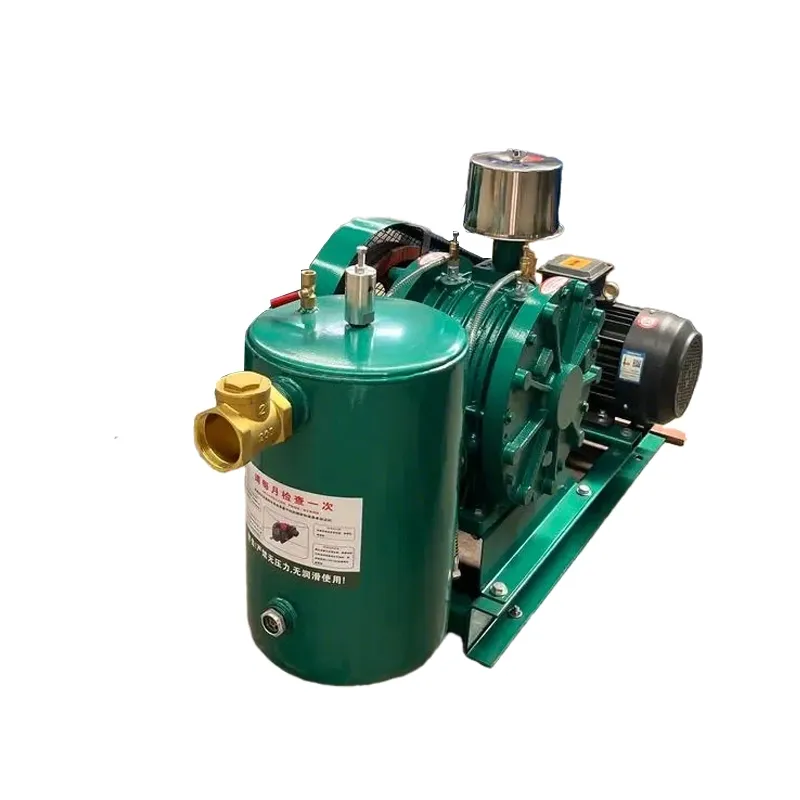
Sustainable industrial development requires technologies that balance operational efficiency with environmental responsibility. Positive displacement blowers have emerged as a cornerstone solution for achieving this balance across manufacturing, wastewater treatment, food processing, and energy production sectors. These machines deliver consistent airflow at controlled pressures while minimizing energy waste, making them essential for organizations committed to reducing their carbon footprint and operational costs simultaneously.
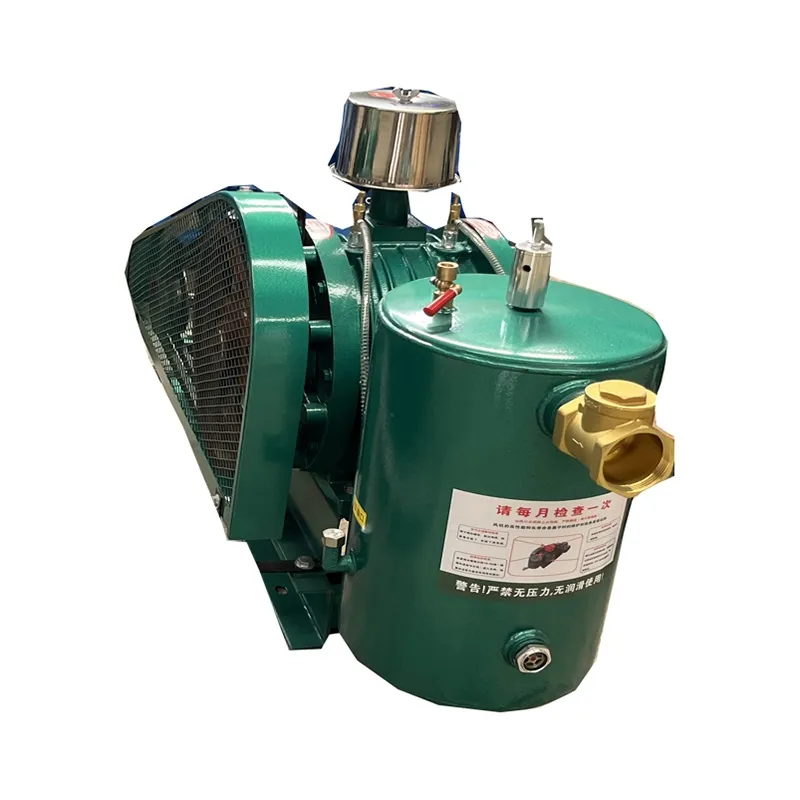
When comparing operational technologies, understanding how positive displacement blowers differ from alternative systems becomes critical for sustainability planning. Unlike centrifugal designs that vary output with pressure changes, positive displacement blowers maintain constant volumetric flow regardless of downstream resistance. This predictability translates to measurable energy savings, reduced maintenance interventions, and lower lifecycle emissions—all key drivers of sustainable industrial performance.
Understanding Positive Displacement Technology
How Positive Displacement Blowers Function
Positive displacement blowers operate by trapping air in expanding cavities and forcing it toward discharge. Rotary lobe designs feature two or three rotating lobes that create sealed pockets, moving air from inlet to outlet in synchronized cycles. This mechanical approach ensures volumetric accuracy and eliminates the slip and turbulence common in centrifugal machines. The consistent displacement per revolution makes these units ideal for applications requiring stable pressure delivery, whether in vacuum conveying systems or pneumatic processing lines.
The distinction between positive displacement pump vs blower technology often confuses practitioners. While both operate on displacement principles, pumps handle incompressible liquids at higher pressures, whereas blowers manage compressible gases at moderate pressures. Positive displacement pump vs blower design differences reflect these operational requirements. Blowers emphasize volumetric consistency and moderate compression ratios, making them superior for sustainability metrics where energy per unit volume matters most.
Core Efficiency Advantages
Positive displacement blowers deliver superior energy efficiency through direct displacement mechanisms that eliminate losses inherent in turbulent designs. Their constant flow characteristics reduce throttling losses and peak power demand spikes. Facilities implementing these systems report energy consumption reductions of 20–40% compared to equivalent centrifugal alternatives in applications like wastewater aeration, pneumatic conveying, and tank mixing. This efficiency directly reduces operational carbon emissions and aligns with sustainability certifications increasingly demanded by regulators and stakeholders.
Rotary Lobe Blower Applications in Sustainable Operations
Wastewater Treatment and Environmental Protection
Rotary lobe blower applications have revolutionized wastewater treatment by enabling aerobic biological processing with minimal energy overhead. Treatment facilities use these blowers to supply consistent oxygen flow to activated sludge reactors, trickling filters, and sequencing batch reactors. The reliability of rotary lobe blower applications reduces operational surprises that typically force emergency energy purchases or temporary shutdowns. Modern facilities pair rotary lobe systems with automated controls to maintain exact oxygen transfer rates, eliminating over-aeration waste and supporting both environmental and financial sustainability objectives.
Food Processing and Pneumatic Conveying
In food manufacturing, rotary lobe blower applications enable hygienic pneumatic conveying of sensitive ingredients while maintaining strict pressure and temperature control. The sealed displacement design prevents product contamination and allows gentle handling that preserves ingredient integrity. Bakeries, grain processors, and dairy operations benefit from the predictable performance and minimal heat generation characteristic of rotary lobe systems. These factors support food quality standards while reducing cooling requirements and associated energy consumption across production facilities.
Variable Frequency Drive Integration for Dynamic Sustainability
Adaptive Energy Management
Variable frequency drive blowers represent the next evolution in sustainable blower technology by enabling real-time output adjustment without traditional valve throttling losses. VFD systems monitor downstream demand and adjust motor speed accordingly, consuming power proportional to actual system requirements rather than running at constant capacity. A positive displacement blower equipped with variable frequency drive technology can reduce energy usage by an additional 30–50% compared to fixed-speed operation, delivering cumulative sustainability gains that compound across operating seasons. This adaptive capability makes facilities more responsive to fluctuating production demands while maintaining emissions commitments.
Operational and Environmental Benefits
Implementing variable frequency drive blowers reduces stress on equipment by eliminating sudden pressure spikes and reducing wear on motor bearings and shaft seals. This extended equipment lifespan decreases replacement frequency, manufacturing emissions from new unit production, and disposal waste streams. Additionally, VFD systems lower starting torque and inrush current, supporting grid stability and reducing demand charges on facility electrical contracts. The combination of energy savings, extended equipment life, and grid support makes variable frequency drive technology essential for industrial operators pursuing comprehensive sustainability strategies.
Sustainability Impact and Business Value
Lifecycle Emissions and Carbon Accounting
Positive displacement blower investments generate measurable carbon reductions across facility lifecycles. A typical wastewater treatment plant operating rotary lobe blower applications 24/7 can eliminate 500–1000 metric tons of CO2 equivalent annually compared to outdated centrifugal systems. These reductions qualify for carbon credits in regulated markets and demonstrate commitment to stakeholder emissions reduction targets. Organizations reporting sustainability performance benefit from documented energy efficiency investments that support ESG ratings, customer retention, and regulatory compliance positioning.
Total Cost of Ownership
While positive displacement blower initial capital costs may exceed some alternatives, total cost of ownership strongly favors displacement technology when lifecycle maintenance, energy consumption, and operational reliability are factored over 10–15 year equipment lives. Energy savings typically recover capital investment within three to five years, with remaining equipment life delivering pure economic benefit. Reduced unplanned maintenance, minimized emergency downtime, and avoided regulatory penalties from aeration failures compound these financial advantages. Facilities planning long-term sustainability initiatives recognize positive displacement technology as financial and environmental imperative rather than discretionary upgrade.
FAQ
What makes positive displacement blowers superior for sustainable operations?
Positive displacement blowers deliver consistent volumetric flow and eliminate slip losses inherent in centrifugal designs, enabling 20–40% energy reductions in equivalent applications. Their mechanical reliability and predictable performance support operational consistency that reduces emergency interventions and unplanned shutdowns. When paired with variable frequency drive technology, these systems become dynamically responsive to facility demands while maintaining carbon reduction commitments. This combination of reliability, efficiency, and adaptability directly supports sustainability objectives while delivering measurable financial returns.
How do rotary lobe blower applications differ across industries?
Rotary lobe blower applications span wastewater treatment, food processing, chemical manufacturing, pneumatic conveying, and vacuum systems—each requiring tailored configurations for specific pressure, flow, and environmental demands. Wastewater facilities prioritize energy efficiency and 24/7 reliability for biological treatment, while food processors emphasize hygienic sealed designs preventing product contamination. Chemical plants require materials compatibility and safety certifications for hazardous atmospheres. Pneumatic conveying systems demand precise flow control and gentle material handling. Understanding these application-specific requirements ensures facility operators select blower configurations optimizing both performance and sustainability metrics for their unique operational context.
Why should facilities consider variable frequency drive blowers?
Variable frequency drive blowers enable adaptive energy management by adjusting motor speed proportional to system demand rather than running continuously at fixed capacity. This flexibility reduces power consumption by an additional 30–50% compared to traditional fixed-speed positive displacement systems, supporting aggressive sustainability targets. VFD technology also extends equipment lifespan by reducing mechanical stress, lowers electrical demand charges, and improves grid stability through reduced inrush current. For facilities committed to sustainability while managing operational costs, variable frequency drive investment represents the optimization frontier for blower performance.