
 EN
EN
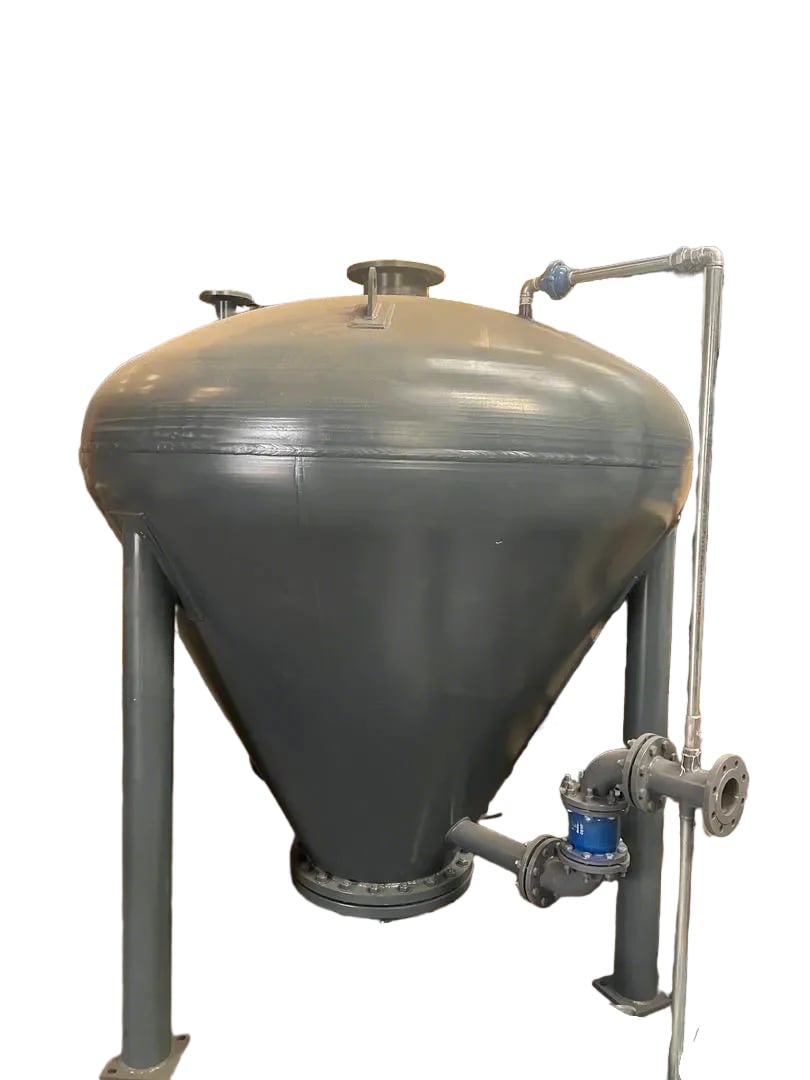
A pneumatic conveying system is engineered to transport a wide variety of bulk materials efficiently and reliably across industrial facilities. Understanding which materials can be conveyed, and under what conditions, is essential for selecting the right design approach and ensuring optimal system performance. The capability of any pneumatic conveying system depends on material properties, system configuration, and operating parameters carefully balanced to move materials from point A to point B without degradation or blockage.
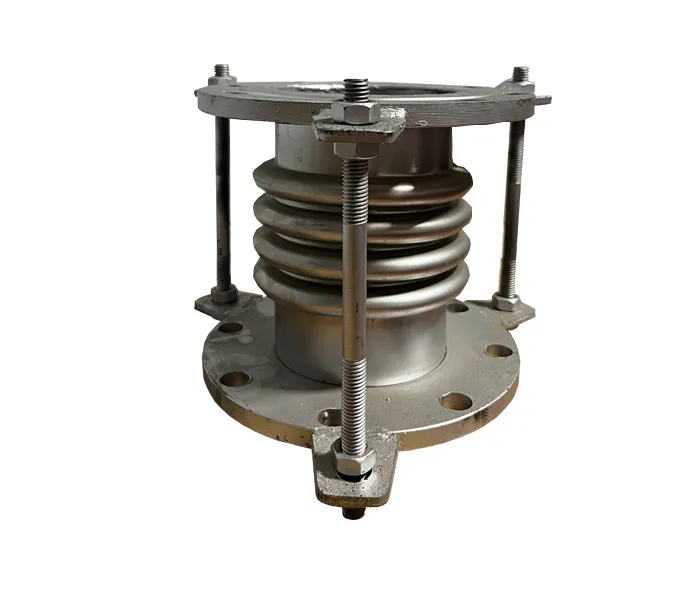
Industrial operations ranging from food processing to chemical manufacturing rely on pneumatic systems to move powders, granules, and pellets safely and cleanly. The choice between dilute phase pneumatic conveying and dense phase conveying design fundamentally shapes which materials can be transported and how effectively the system performs. Each approach offers distinct advantages depending on material friability, moisture content, density, and particle size distribution.
Material Categories and Conveying Feasibility
Powders and Fine Particles
Fine powders are among the most commonly transported materials in pneumatic conveying systems. Materials such as talc, cement, flour, and pharmaceutical powders move readily through dilute phase pneumatic conveying due to their low density and ability to suspend in air streams. The flow characteristics of powders are predictable, and system design for powder transport typically requires careful attention to dense phase conveying design when moisture or sensitivity to degradation becomes a factor. Air velocity management is critical to prevent material degradation while maintaining steady flow.
Granules and Pellets
Granular materials including plastic pellets, seeds, and mineral granules present different challenges than powders in a pneumatic conveying system. These materials require higher air velocities to maintain suspension and prevent settling in horizontal pipe sections. Dilute phase pneumatic conveying works well for non-friable granules, while denser or more delicate formulations benefit from dense phase conveying design to minimize impact forces. Particle uniformity within the granule category significantly influences conveying success and system pressure drop calculation accuracy.
System Design Approaches for Material Transport
Dilute Phase Pneumatic Conveying Applications
Dilute phase pneumatic conveying employs high air velocity and low material concentration to transport materials through pipelines. This approach is ideal for lightweight powders, small granules, and materials that tolerate gentle turbulence. Dilute phase systems are simpler to design, require less capital investment, and generate lower maintenance demands than alternatives. However, dilute phase pneumatic conveying produces higher air consumption and can cause dust generation, making it less suitable for friable or moisture-sensitive materials. The pneumatic conveying system pressure drop calculation for dilute phase operations typically shows elevated pressure losses due to high air velocity requirements.
Dense Phase Conveying Design Methodology
Dense phase conveying design minimizes air velocity and maximizes material concentration, resulting in slower, gentler transport of sensitive or heavy materials. This approach significantly reduces pneumatic conveying system pressure drop calculation values compared to dilute phase alternatives. Dense phase design excels at moving friable materials, moist powders, and products prone to segregation or degradation. The reduced air requirement translates to lower energy consumption and dust emissions, making dense phase conveying design the preferred choice for premium or sensitive bulk materials. Implementation of dense phase systems requires more sophisticated control systems and higher initial investment than dilute phase alternatives.
Material Properties Determining Transportability
Density, Moisture, and Friability Considerations
Three primary material properties determine whether a pneumatic conveying system can effectively transport a given substance. Material density influences the air velocity required to achieve suspension; heavier materials demand faster air speeds and energy-intensive dilute phase pneumatic conveying or specialized dense phase conveying design. Moisture content affects material flowability and sticking tendency within the pipeline, requiring sealed systems and sometimes modified designs to prevent bridging and blockages. Friability, or the tendency of material to break apart under stress, makes many agricultural products and minerals unsuitable for high-velocity dilute phase transport but compatible with gentle dense phase conveying design.
Particle Size Distribution and Abrasivity
Particle size uniformity directly impacts pneumatic conveying system performance and component wear patterns. Materials with wide particle size distribution may experience segregation during transport, with smaller particles moving faster than larger ones through the pipeline. Abrasive materials like sand, silica, or minerals accelerate wear in pneumatic conveying system components, influencing material selection for pipes, elbows, and impact zones. Understanding pneumatic conveying system pressure drop calculation becomes especially important when transporting abrasive materials, as pressure increases correlate with accelerated component degradation. Proper material characterization prevents unexpected system failures and extends component service life.
FAQ
Can all powder materials be transported in a pneumatic conveying system?
Not all powders are suitable for standard pneumatic conveying systems without modifications. Highly moisture-sensitive powders, extremely fine materials prone to agglomeration, and substances with strong cohesive properties may require specialized dense phase conveying design or hybrid approaches. Material testing and proper system design selection ensure transportability before full-scale implementation.
How does material density affect pneumatic conveying system design?
Material density fundamentally influences air velocity requirements and operating mode selection. Heavy materials require higher air velocities in dilute phase pneumatic conveying or necessitate dense phase conveying design with reduced velocity and increased material concentration. Understanding density is essential for accurate pneumatic conveying system pressure drop calculation and energy consumption forecasting.
What is the difference between dilute phase pneumatic conveying and dense phase conveying design?
Dilute phase pneumatic conveying uses high air velocity and low material concentration, suitable for non-friable materials but consuming more energy. Dense phase conveying design employs lower air velocity and higher material concentration, protecting delicate materials while reducing energy use and lowering pneumatic conveying system pressure drop calculation values significantly.