 EN
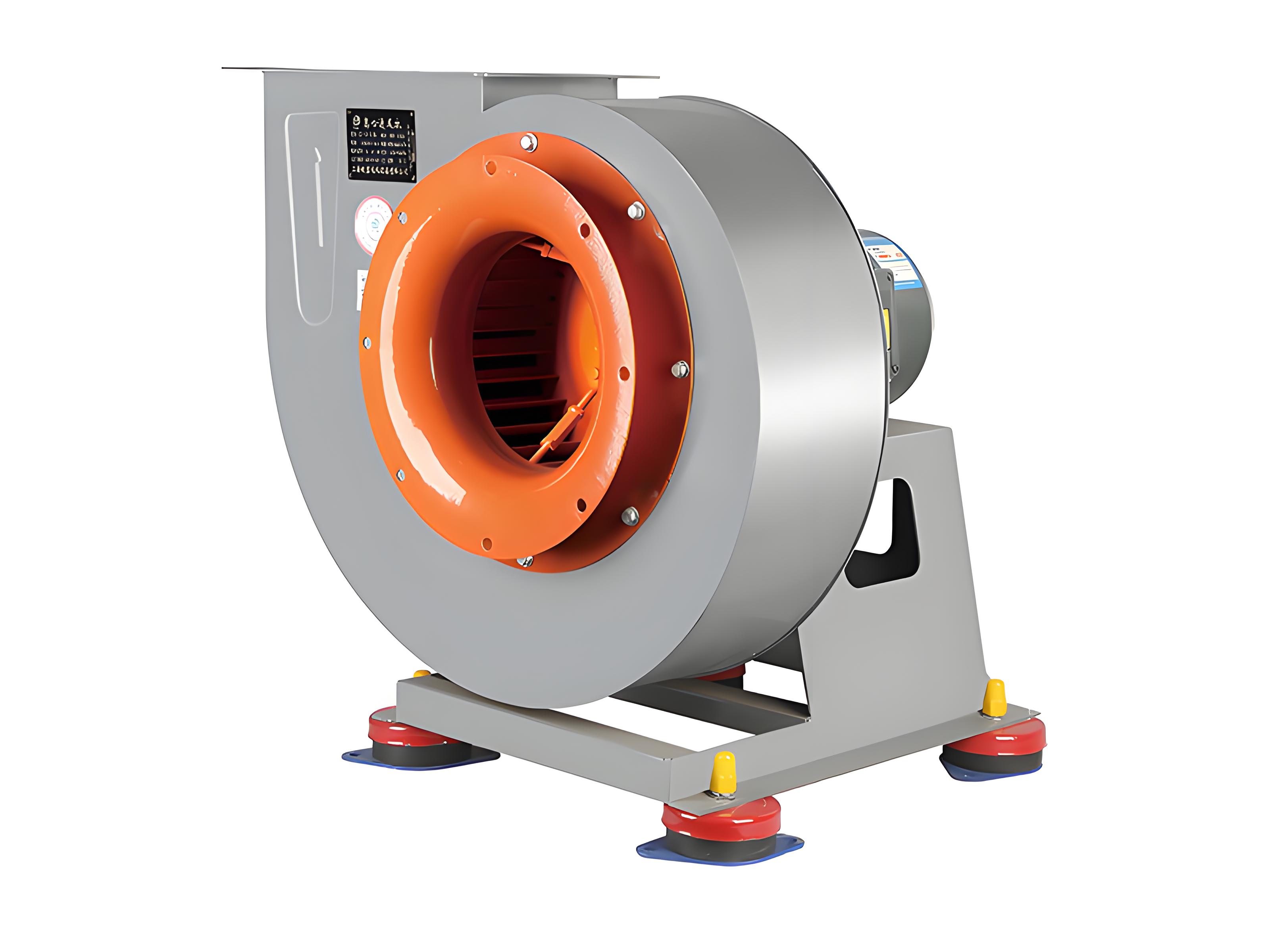
Long-term industrial projects demand equipment that balances performance, reliability, and operational economics. A centrifugal air blower represents a strategic investment that delivers measurable business value across months and years of continuous operation. Unlike temporary solutions, these systems provide sustained efficiency, reduced maintenance downtime, and predictable cost structures that directly impact project profitability and timeline adherence.
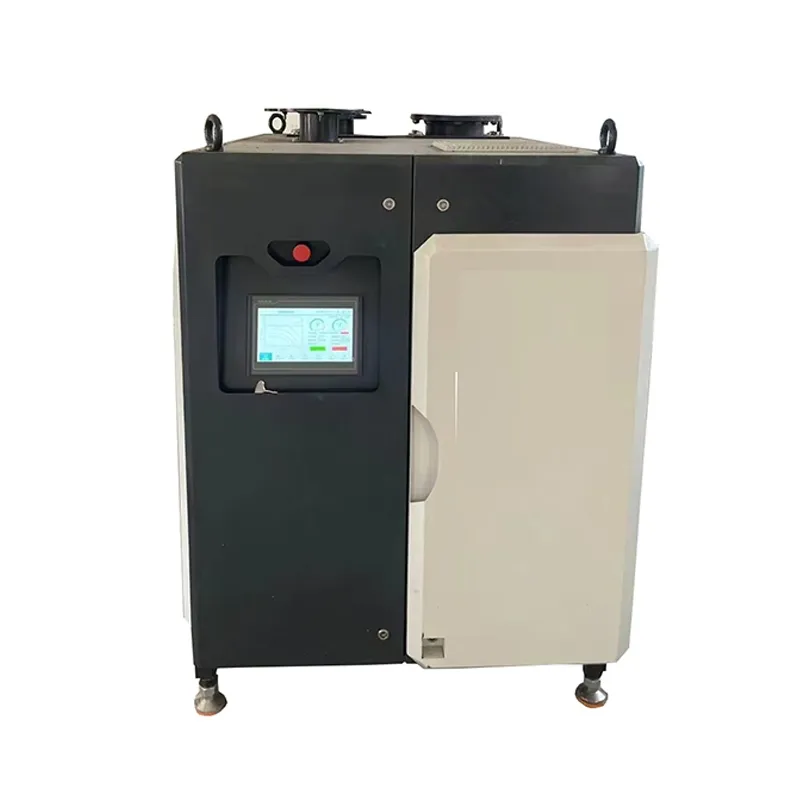
For project managers overseeing construction sites, manufacturing facilities, or environmental remediation work, selecting the right air handling equipment is crucial. Industrial air circulation systems built on centrifugal fan technology provide the pressure consistency and airflow volume required for demanding applications. This article explores the specific business advantages these systems bring to extended projects, from cost containment to regulatory compliance and workforce safety.
Operational Efficiency and Cost Control
Long-Term Energy Performance
Centrifugal air blowers deliver superior energy efficiency compared to axial alternatives, translating directly to lower utility costs over project duration. High pressure blower specifications are designed to maintain consistent discharge pressure across varying load conditions, preventing energy waste through unnecessary motor strain. A project running for six months or longer benefits substantially from this efficiency; the cumulative energy savings offset the initial capital investment while reducing the facility's carbon footprint.
The pressure stability inherent in centrifugal design means less frequent throttling or damper adjustment, reducing control system complexity and operator intervention. Industrial air circulation systems maintain their efficiency curves across seasonal temperature variations, ensuring predictable operating costs throughout the project lifecycle. For long-term facilities, this consistency enables accurate budget forecasting and eliminates surprise utility surges.
Maintenance Economics and Uptime
Centrifugal fan noise reduction technology often incorporates bearing and seal designs that extend service intervals, minimizing unplanned maintenance windows. High pressure blower specifications typically feature robust rotor assemblies and reinforced housings that withstand prolonged operation without performance degradation. Over months of continuous duty, this durability translates to fewer service calls, reduced spare parts inventory, and less disruption to project schedules.
Preventive maintenance schedules for industrial air circulation systems are more predictable than reactive repair cycles, allowing project teams to schedule maintenance during planned downtime rather than emergency shutdowns. The longer intervals between overhauls mean equipment availability remains high, supporting on-time project completion and avoiding costly delays.
Environmental Compliance and Regulatory Alignment
Noise Control and Community Relations
Long-term projects often face scrutiny from local authorities and neighboring properties regarding operational noise. Centrifugal fan noise reduction represents a significant compliance advantage; modern designs incorporate acoustic shrouds, impeller optimization, and discharge silencers that bring sound levels within regulatory limits. Projects adhering to environmental standards from day one avoid costly retrofitting, fines, and community opposition that can delay or derail work schedules.
Industrial air circulation systems with integrated noise control benefit both project reputation and workforce morale. Reduced ambient noise improves communication on site, lowers occupational health risks, and demonstrates corporate responsibility to stakeholders. For projects spanning six months or longer, this investment in acoustic performance proves invaluable in maintaining social license and regulatory standing.
Air Quality and Emissions Management
High pressure blower specifications in modern centrifugal designs often address emissions and particulate control requirements. Whether managing dust on construction sites or controlling vapors in industrial settings, these systems provide the airflow pressure and volume needed to meet air quality standards. Long-term projects benefit from equipment that evolves with regulatory frameworks, avoiding obsolescence and re-specification during project execution.
Centrifugal air blower systems designed for environmental compliance reduce the risk of operational shutdowns due to air quality violations. This forward-looking approach to emissions management supports project continuity and protects against regulatory fines that accumulate across extended timelines.
Performance Reliability Under Extended Duty
Consistent Output Across Operating Windows
Industrial air circulation systems must maintain pressure and volume consistency across varying ambient conditions over months of operation. Centrifugal technology excels in this demand because the impeller design naturally compensates for temperature and humidity changes. High pressure blower specifications include safety margins built into motor sizing and bearing capacity, ensuring reliable performance even as components experience normal wear and environmental stress.
For long-term projects, equipment that performs consistently reduces the need for system redesign or component upgrades mid-project. This stability supports resource planning, workforce training, and quality control protocols that depend on predictable equipment behavior. The reliability of centrifugal fan technology means project teams can focus on execution rather than troubleshooting air handling problems.
Scalability and Future Adaptability
Many extended projects evolve in scope or operational parameters as work progresses. Centrifugal air blower designs offer upgrade paths and modular configurations that accommodate changing requirements without complete system replacement. High pressure blower specifications allow for impeller substitution, motor upgrades, or capacity adjustment, providing economic flexibility as project needs shift.
Industrial air circulation systems built on proven centrifugal platforms provide long-term asset value. When a project concludes, this equipment often transfers to other facilities or applications, extending return on investment across multiple deployments. The resale and redeployment potential of reliable blower systems contributes to overall project economics.
FAQ
How does a centrifugal air blower outperform axial alternatives in long-term projects?
Centrifugal air blowers deliver superior pressure stability, lower energy consumption, and longer service intervals compared to axial fans. Their robust construction handles prolonged duty cycles with less wear, making them ideal for projects spanning months or years. High pressure blower specifications ensure consistent performance even under variable load conditions, while industrial air circulation systems maintain efficiency across seasonal and operational changes.
What maintenance benefits does centrifugal fan noise reduction technology provide?
Centrifugal fan noise reduction incorporates design features that extend bearing life and reduce internal stress on components. By lowering operational noise, these systems demonstrate reliability and stability that translates to fewer emergency repairs. Industrial air circulation systems with integrated acoustic control experience fewer fatigue failures, supporting predictable maintenance schedules aligned with project timelines.
Can a centrifugal air blower adapt to changing project requirements?
Yes, centrifugal air blower designs offer modular upgrades including impeller replacement, motor capacity adjustments, and reconfigurable discharge systems. High pressure blower specifications allow customization without replacing the entire unit, enabling cost-effective adaptation as project needs evolve. This flexibility ensures industrial air circulation systems remain viable investments throughout extended project lifecycles and beyond.