
 EN
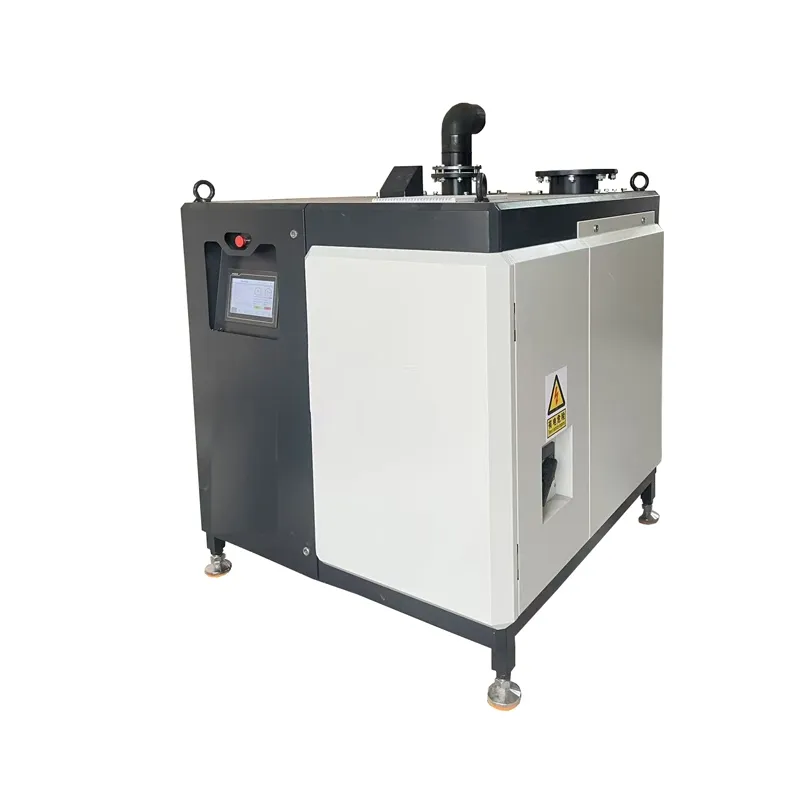
A centrifugal air blower represents a critical component in modern industrial operations where consistent air movement and pressure control define operational success. Unlike simpler fan designs, a centrifugal air blower uses centrifugal force to accelerate air from the center toward the outer rim, creating powerful airflow capabilities essential for demanding continuous-duty applications. Understanding how these machines perform under non-stop operational conditions helps facility managers, engineers, and procurement teams make informed decisions about equipment selection, maintenance protocols, and long-term reliability expectations.
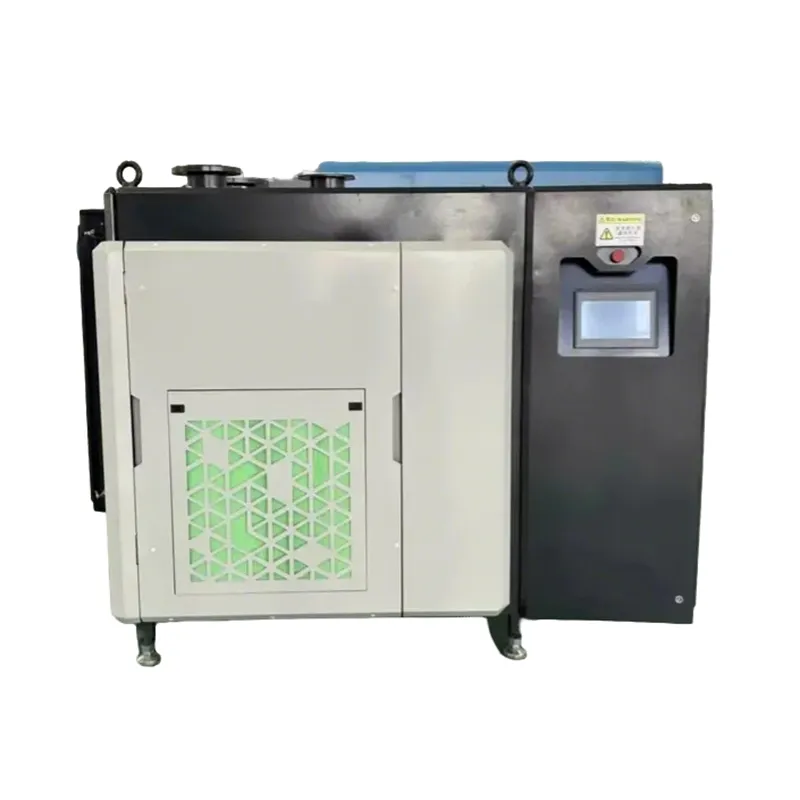
Continuous industrial operation demands equipment that not only meets peak performance specifications but sustains them reliably across extended runtime windows. Industrial ventilation systems relying on centrifugal technology must balance output consistency, energy efficiency, thermal stability, and noise control to function effectively within facility constraints and regulatory compliance frameworks. This article explores the practical performance characteristics, operational considerations, and real-world durability factors that define how a centrifugal air blower operates when running continuously throughout production cycles.
Design Features That Enable Sustained Performance
Impeller Engineering and Material Selection
The impeller sits at the heart of centrifugal fan noise reduction and sustained performance capability. Modern industrial-grade impellers utilize advanced materials including aluminum alloys, cast iron, or stainless steel compositions selected based on environmental exposure and corrosive agent contact. Forward-curved, backward-curved, or radial blade geometries determine airflow characteristics and efficiency profiles, with backward-curved designs typically offering superior performance for high pressure air flow applications across extended duty cycles. Material fatigue resistance, blade stress distribution, and geometric precision directly impact how long a centrifugal air blower maintains specified output during continuous 24/7 operation.
Bearing Systems and Lubrication Infrastructure
Bearing durability fundamentally determines continuous operational viability. Industrial ventilation systems employ either rolling element bearings or hydrodynamic sleeve bearings, each requiring specific lubrication strategies optimized for heat dissipation and friction minimization. Continuous operation generates sustained mechanical stress requiring premium lubricants with thermal stability, oxidation resistance, and extended drain intervals. Sealed bearing assemblies protect against environmental contamination while maintaining precise clearances necessary for centrifugal air blower efficiency. Improper bearing selection or inadequate lubrication maintenance dramatically shortens equipment life and increases failure risk during continuous service.
Thermal Management in Round-the-Clock Operation
Heat Generation and Dissipation Dynamics
Continuous operation transforms thermal management from a peripheral concern into a critical reliability factor. High pressure air flow applications concentrate energy input through motor drive systems, impeller acceleration, and housing friction surfaces. Internal temperature rises predictably during sustained runtime, requiring careful motor sizing to prevent thermal overload conditions. Casing design influences heat dissipation efficiency, with ribbed or extended-surface housings improving convective cooling compared to smooth designs. Many modern industrial ventilation systems incorporate thermal monitoring sensors that alert operators when centrifugal air blower casings approach unsafe temperature thresholds, enabling preventive intervention before performance degradation accelerates.
Ambient Conditions and Environmental Interaction
External environmental factors profoundly affect thermal performance during continuous operation. Hot ambient air reduces available cooling differential, forcing internal temperatures higher for equivalent workloads. Industrial facilities with high ambient temperatures or restricted ventilation pathways demand enhanced cooling provisions including external heat exchangers or upgraded motor thermal protection ratings. Dust, particulate accumulation, and corrosive atmospheres further compromise cooling effectiveness while accelerating component degradation. Facility managers operating centrifugal air blowers in challenging environmental contexts must implement scheduled cleaning protocols and protective filtration systems to maintain thermal stability and prevent continuous-duty failures.
Reliability Infrastructure for Extended Service
Vibration Control and Structural Integrity
Centrifugal fan noise reduction directly correlates with extended equipment life and workplace safety compliance. Vibration originates from impeller imbalance, bearing wear, misalignment, or resonant interactions with mounting structures. High pressure air flow applications intensify vibrational stresses, particularly during continuous operation when cumulative wear effects compound. Precision dynamic balancing ensures impeller symmetry and minimizes destructive vibration patterns. Resilient mounting systems isolate centrifugal air blower vibration from facility structures, reducing noise transmission and protecting connected ductwork from premature failure. Regular vibration monitoring detects emerging bearing degradation or blade damage before catastrophic failure occurs during continuous operation.
Preventive Maintenance Architecture
Sustained continuous operation requires disciplined preventive maintenance schedules rather than reactive repair approaches. Industrial ventilation systems benefit from documented inspection intervals addressing bearing condition, seal integrity, blade wear patterns, and motor insulation resistance. Oil analysis programs detect incipient bearing failure through particle count and chemical composition monitoring before visible performance degradation appears. Thermographic inspection identifies hotspots indicating developing electrical faults or cooling insufficiency. Documented maintenance histories enable predictive analysis that forecasts component life expectancy and permits planned replacement during scheduled downtime rather than unplanned emergency shutdowns disrupting production schedules. Modern centrifugal air blower designs incorporate accessibility features facilitating rapid inspection and component replacement while minimizing facility disruption.
FAQ
How long can a centrifugal air blower typically operate continuously without requiring maintenance?
Well-maintained centrifugal air blowers designed for continuous duty can operate 12 to 24 months between major maintenance interventions, though bearing inspection and oil sampling should occur every 2,000 to 4,000 operating hours. Industrial ventilation systems in clean environments with effective thermal management extend intervals further, while harsh conditions including high temperatures, corrosive agents, or heavy dust loads necessitate more frequent attention. Manufacturer specifications provide baseline guidance, but actual intervals depend on specific operating conditions, ambient environment, and implemented maintenance discipline.
What factors most significantly impact centrifugal air blower reliability during continuous industrial operation?
Thermal stability, bearing lubrication quality, vibration control, and incoming air filtration emerge as the four most critical reliability drivers. Continuous operation generates sustained heat requiring adequate cooling infrastructure and motor thermal protection. Premium bearing lubricants with oxidation stability resist degradation across extended operating hours. Precise dynamic balancing and resilient mounting minimize harmful vibration patterns. Effective inlet filtration prevents particulate accumulation that degrades cooling efficiency and accelerates bearing wear. Addressing all four factors holistically yields substantially improved equipment longevity compared to focusing exclusively on any single parameter.
Can high pressure air flow applications reduce the continuous duty lifespan of centrifugal air blowers?
High pressure air flow applications do intensify mechanical stresses on impellers, bearings, and motor shafts compared to lower-pressure designs, potentially shortening component life if thermal management and maintenance protocols remain unchanged. However, industrial-grade equipment specifically engineered for high-pressure service incorporates robust materials, oversized bearings, and enhanced cooling provisions that enable reliable continuous operation across demanding applications. Proper equipment selection matching actual pressure and flow requirements prevents premature failures, while inadequate sizing or neglected maintenance substantially accelerates wear progression in high-pressure service contexts.
Table of Contents
- Design Features That Enable Sustained Performance
- Thermal Management in Round-the-Clock Operation
- Reliability Infrastructure for Extended Service
-
FAQ
- How long can a centrifugal air blower typically operate continuously without requiring maintenance?
- What factors most significantly impact centrifugal air blower reliability during continuous industrial operation?
- Can high pressure air flow applications reduce the continuous duty lifespan of centrifugal air blowers?