
 EN
EN
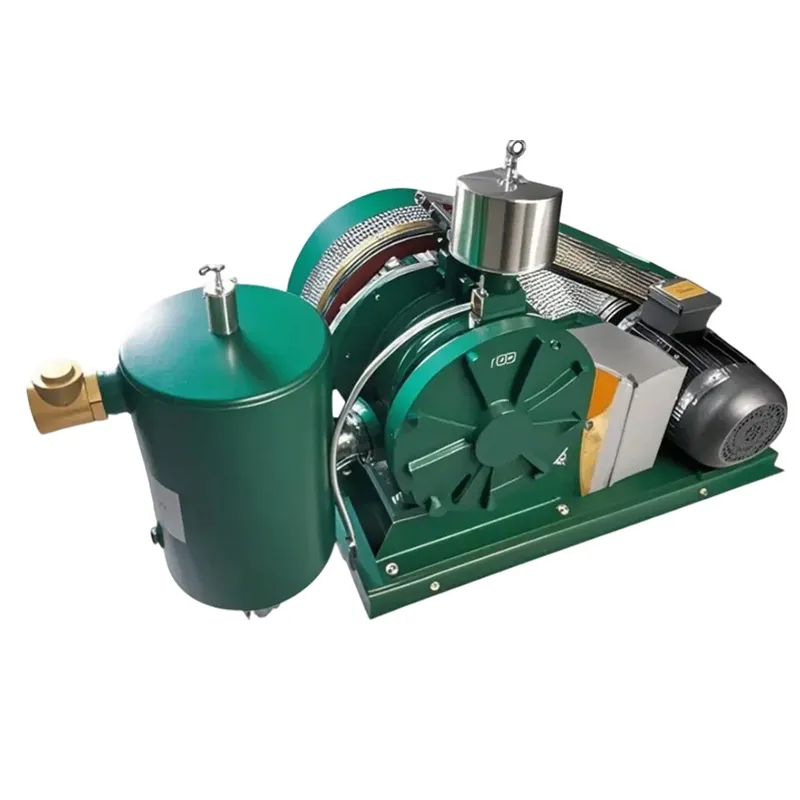
A rotary lobe blower represents one of the most reliable and versatile solutions in modern industrial pneumatic transport and air handling systems. These positive displacement machines deliver consistent, pulsating airflow by using two rotating lobes that trap and move air from the inlet to the discharge port. Understanding the benefits of a rotary lobe blower is essential for facility managers, process engineers, and procurement specialists seeking to optimize operational efficiency, reduce energy consumption, and maintain predictable performance across diverse industrial applications.
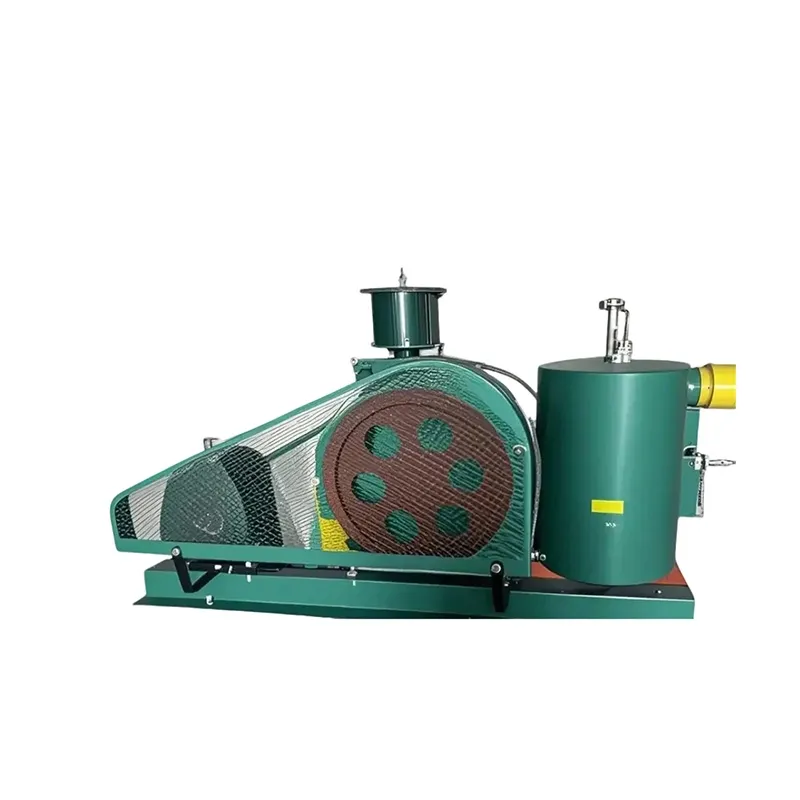
The advantages of this technology extend far beyond simple air movement. When compared to alternative blower designs, the rotary lobe blower vs centrifugal blower comparison reveals distinct operational superiority in low-to-medium pressure applications. The positive displacement blower applications powered by rotary lobe technology span pneumatic conveying, aeration, vacuum assistance, and specialty gas handling, making this equipment a cornerstone of industrial efficiency and reliability.
Performance Efficiency and Consistent Airflow Delivery
Stable Output Characteristics
One of the primary benefits is the ability to deliver consistent, predictable airflow regardless of discharge pressure variations. Unlike centrifugal blowers that experience significant performance degradation under pressure fluctuations, a rotary lobe blower maintains steady volumetric output. This consistency proves invaluable in pneumatic conveying systems where material transport demands stable, reliable air supply to prevent blockages, degradation of transported goods, and operational interruptions. The positive displacement blower applications in grain handling, powder transfer, and bulk material movement depend entirely on this reliable performance characteristic.
Energy Efficiency in Moderate Pressure Ranges
Industrial operations benefit significantly from the rotary lobe blower's efficiency profile within its designed operating envelope. These machines consume less energy per unit of airflow in low-to-medium pressure applications compared to centrifugal alternatives. When examining rotary lobe blower vs centrifugal blower specifications, the displacement-based design minimizes power waste from turbulence and recirculation. Facilities utilizing aeration in wastewater treatment, fermentation processes, and aquaculture applications experience measurable reductions in electrical demand, translating directly to lower operating costs and improved sustainability metrics.
Reliability, Durability, and Operational Robustness
Extended Equipment Lifespan and Reduced Downtime
A rotary lobe blower demonstrates exceptional durability due to its simple internal mechanism featuring only two rotating components and minimal wear surfaces. The robust design tolerates variable inlet conditions, including moisture contamination, particulate matter, and temperature fluctuations that would compromise less rugged equipment. This inherent durability translates into extended mean time between failures and significantly reduced unplanned maintenance events. Industrial plants dependent on continuous operation—such as chemical processing, food manufacturing, and wastewater infrastructure—rely on this reliability to maintain production schedules and avoid costly emergency service calls.
Straightforward Rotary Lobe Blower Maintenance and Troubleshooting
The simplicity of rotary lobe blower design directly improves maintenance outcomes and reduces technical complexity. Rotary lobe blower maintenance and troubleshooting procedures require fewer specialized tools, less technical expertise, and shorter service intervals compared to multi-stage centrifugal or screw compressor systems. Common issues such as bearing wear, seal degradation, and timing gear maintenance are well-established, with readily available replacement components and standardized repair protocols. Facility maintenance teams can address most issues without extended equipment downtime or costly consultant intervention, preserving both capital and operational continuity.
Versatility Across Industrial Positive Displacement Applications
Broad Application Suitability
The versatility of positive displacement blower applications powered by rotary lobe technology spans numerous industrial sectors and operational scenarios. Pneumatic conveying systems for lightweight materials, vacuum-assisted systems in packaging and material handling, aeration equipment in water treatment facilities, and specialty gas circulation all leverage the benefits of this proven technology. Unlike specialized equipment optimized for narrow use cases, a rotary lobe blower accommodates diverse applications through simple modifications to intake configuration, discharge piping, and pressure ratings. This adaptability reduces capital equipment investment by enabling single hardware platforms to serve multiple operational needs.
Performance Under Challenging Conditions
The positive displacement blower applications extending into harsh industrial environments showcase another key benefit. Rotary lobe blowers tolerate high inlet temperatures, corrosive atmospheric conditions, and operation alongside aggressive chemical processes better than equipment sensitive to thermal degradation or environmental stress. When comparing rotary lobe blower vs centrifugal blower resilience, the displacement-based design exhibits superior tolerance for real-world manufacturing environments. This robustness reduces environmental controls required, simplifies facility design, and extends equipment service life even in demanding applications.
FAQ
What distinguishes a rotary lobe blower from other positive displacement designs?
A rotary lobe blower uses two synchronized rotating lobes to trap and move air, creating pulsating but consistent volumetric output. Unlike screw compressors with helical rotors or sliding vane designs with variable displacement, the rotary lobe blower offers mechanical simplicity, lower manufacturing costs, straightforward rotary lobe blower maintenance and troubleshooting, and excellent performance in low-to-medium pressure applications. This makes positive displacement blower applications using rotary lobe technology particularly attractive for cost-conscious operations requiring reliable, uncomplicated equipment.
How does a rotary lobe blower perform compared to centrifugal blowers?
The rotary lobe blower vs centrifugal blower comparison reveals important trade-offs. Rotary lobe designs deliver consistent flow regardless of pressure changes, excel at lower pressures and higher displacement volumes, and tolerate contamination better than centrifugal alternatives. However, centrifugal blowers excel at very high pressures and offer quieter operation. For most positive displacement blower applications in industrial pneumatic conveying, aeration, and vacuum systems, the rotary lobe blower delivers superior performance, efficiency, and reliability within its design parameters.
What maintenance requirements apply to rotary lobe blower equipment?
Rotary lobe blower maintenance and troubleshooting focus on bearing inspection, seal condition assessment, timing gear alignment, and inlet filter replacement. The straightforward design minimizes routine maintenance complexity compared to multi-stage compressors. Most facilities establish preventive schedules addressing oil analysis, vibration monitoring, and visual inspection of external components. When issues arise, common troubleshooting involves checking discharge pressure, inlet temperature, filter condition, and coupling alignment. This accessibility makes rotary lobe blower maintenance manageable for standard facility maintenance teams without specialized expertise.