
 EN
EN
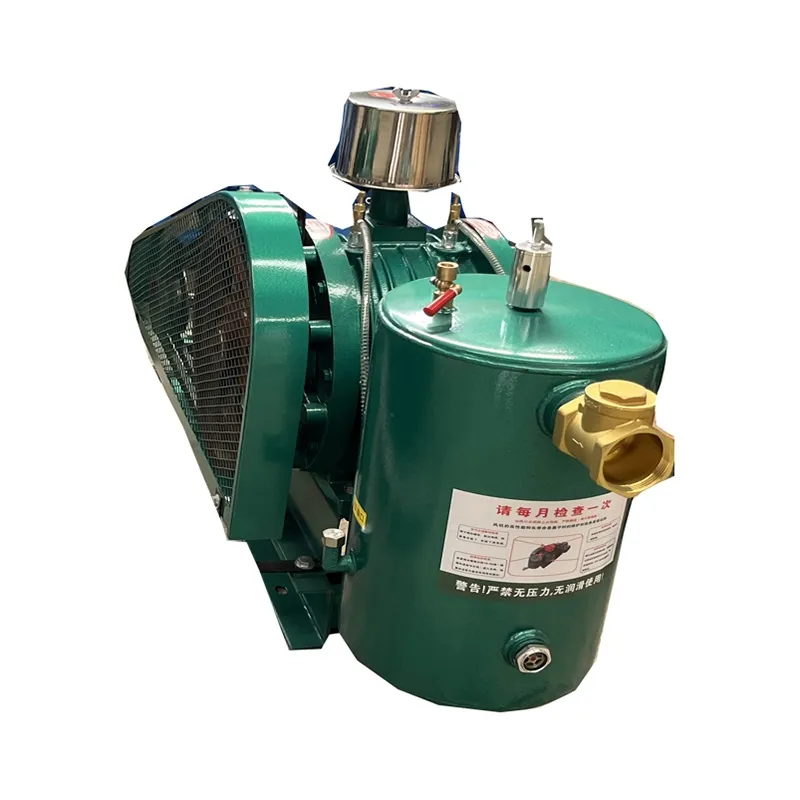
A rotary lobe blower maintains stable air pressure through a fundamentally different operating principle than traditional centrifugal designs. Unlike centrifugal blowers that rely on impeller speed and fluid dynamics to create pressure, rotary lobe blowers use positive displacement technology to trap and push fixed volumes of air through the system. This mechanical approach ensures consistent pressure delivery regardless of load changes, making these units ideal for applications requiring predictable performance and steady flow rates.
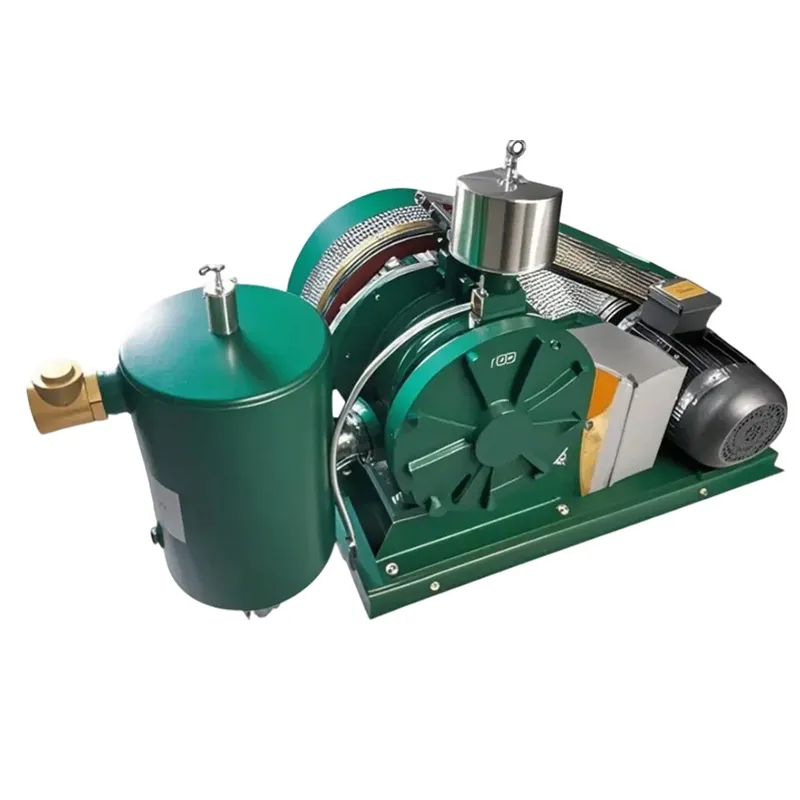
Understanding how a rotary lobe blower achieves this stability requires examining its mechanical design, operational advantages, and comparison to alternative technologies. The positive displacement mechanism creates a reliable pressure envelope that industrial facilities depend on for wastewater treatment, pneumatic conveying, and aquaculture aeration. Whether you operate a municipal treatment plant or manage industrial pneumatic systems, grasping the pressure stability mechanics of rotary lobe blower technology helps optimize performance and reduce unexpected downtime.
Positive Displacement Technology and Pressure Consistency
How Positive Displacement Creates Stable Pressure
Positive displacement blower applications depend on the principle that a fixed volume of air enters the compression chamber on each rotation. A rotary lobe blower features two counter-rotating lobes that trap air between the lobes and the chamber walls, then push that air toward the discharge port. Because the volume moved per rotation remains constant regardless of pressure or speed variations in downstream systems, the blower maintains pressure stability far superior to centrifugal units. This mechanical certainty eliminates the pressure fluctuations common in systems where performance depends on motor speed alone.
The internal timing gears ensure the lobes never contact each other or the housing, maintaining precise clearances that preserve efficiency and pressure consistency. When external demand increases or decreases, a rotary lobe blower compensates through bypass valve regulation rather than losing discharge pressure. This fundamental design characteristic makes positive displacement blower applications especially valuable in environments where pressure swings would disrupt critical processes like wastewater aeration or pneumatic material handling.
Mechanical Advantages of Lobe Design
The counter-rotating lobe configuration in a rotary lobe blower design provides inherent balancing that reduces vibration and noise compared to single-stage centrifugal alternatives. Each lobe acts as a gentle pump, creating smoother air delivery and more consistent downstream pressures throughout the compression cycle. Rotary lobe blower vs centrifugal blower comparison studies consistently show that positive displacement units maintain tighter pressure tolerances even under variable inlet conditions or load fluctuations. The mechanical sealing between lobes and housing relies on precision manufacturing rather than aerodynamic suspension, ensuring long-term pressure stability as the unit ages.
Industrial facilities appreciate this reliability because it reduces the need for expensive pressure regulation equipment downstream. A rotary lobe blower naturally resists pressure drift that would otherwise require continuous adjustment of control systems. The predictable pressure envelope also simplifies process tuning, since operators can rely on consistent air delivery rather than accounting for hourly or seasonal performance variations typical of centrifugal designs.
Operational Factors Affecting Pressure Stability
Temperature and Inlet Condition Management
Temperature fluctuations in incoming air directly influence the density of gas entering a rotary lobe blower, thereby affecting the mass of air delivered at stable pressure. Cool, dense inlet air provides more usable flow per rotation, while warm air delivers less mass at the same volumetric pressure setting. Rotary lobe blower maintenance and troubleshooting must account for seasonal inlet temperature changes, particularly in outdoor installations or facilities lacking inlet air conditioning. Proper inlet filtration removes particles that could lodge in the compression chamber and reduce effective clearance, directly compromising pressure stability.
Humidity and moisture in inlet air also influence performance, especially in applications like wastewater aeration where inlet air may carry suspended moisture or salt spray. Corrosion of internal surfaces or moisture-induced clearance changes gradually degrade the pressure consistency a rotary lobe blower initially provides. Regular inlet filter replacement and moisture separation keep the compression chamber clean and ensure the mechanical precision necessary for stable pressure delivery over the equipment lifecycle.
Rotational Speed and Pressure Relationship
Direct drive or belt-drive motor coupling to a rotary lobe blower determines the relationship between motor speed and pressure delivery. Higher rotational speed increases the volume of air moved per unit time, raising absolute discharge pressure proportionally. However, the stability of that pressure—its resistance to fluctuation—depends on maintaining consistent motor speed through mechanical design rather than aerodynamic feedback. This characteristic contrasts sharply with rotary lobe blower vs centrifugal blower comparison data, where centrifugal units show significant pressure swing if motor speed varies even slightly.
Variable frequency drive integration with a rotary lobe blower allows energy-efficient pressure adjustment without sacrificing stability. As motor frequency changes, discharge pressure tracks linearly with rotor speed, allowing operators to dial in precisely the pressure needed for each process phase. This controllability, combined with the mechanical certainty of positive displacement delivery, makes rotary lobe blower applications ideal for facilities requiring dynamic pressure adjustment without loss of consistency.
Maintenance and Troubleshooting for Sustained Pressure Performance
Rotary Lobe Blower Maintenance Schedules
Rotary lobe blower maintenance and troubleshooting protocols must address the precision clearances that enable stable pressure. Oil analysis and filter replacement on regular intervals remove particulate matter that accumulates from air inlet, internal wear, or timing gear degradation. Excessive wear on the lobe tips or housing bore directly reduces the efficiency of the compression chamber, allowing micro-leakage that gradually lowers discharge pressure. Predictive maintenance inspections of lobe clearance using precision instruments help detect developing wear patterns before they impact pressure stability significantly.
Bearing condition monitoring using vibration or temperature sensors provides early warning of rotational problems that could introduce runout or imbalance, compromising the precise timing necessary for stable pressure. Seal integrity checks prevent external leakage that would reduce net discharge pressure and force the motor to work harder maintaining setpoint. Comprehensive rotary lobe blower maintenance and troubleshooting plans that address lobes, bearings, seals, and timing gears collectively ensure sustained pressure stability over decades of service.
Diagnostic Procedures and Performance Verification
Measuring discharge pressure at multiple points during an operating cycle reveals whether a rotary lobe blower maintains true stability or exhibits pulsation caused by wear or timing issues. Acoustic monitoring can identify grinding sounds indicating lobe contact or metallic debris in the compression chamber long before pressure readings show degradation. Rotary lobe blower vs centrifugal blower comparison testing should include pressure ripple analysis, where positive displacement units demonstrate significantly lower variability than centrifugal alternatives under identical load conditions.
Performance curve documentation comparing actual discharge flow and pressure to factory specifications helps maintenance teams identify creeping degradation in a rotary lobe blower long before catastrophic failure occurs. Capacity loss, pressure drift, or reduced pressure rise over identical load conditions signal internal clearance growth or seal wear. Systematic troubleshooting that links pressure instability to specific wear mechanisms—such as lobe-to-housing contact, seal leakage, or bearing play—enables targeted repairs that restore the mechanical precision central to stable pressure delivery.
FAQ
Why do rotary lobe blowers maintain pressure better than centrifugal blowers?
Rotary lobe blowers use positive displacement technology to move a fixed volume of air per rotation, delivering inherently stable pressure regardless of downstream load. Centrifugal blowers depend on impeller speed and fluid dynamics, meaning their discharge pressure fluctuates with motor speed variations and load changes. This fundamental mechanical advantage makes positive displacement blower applications superior when pressure consistency is critical for process control or equipment protection.
How does temperature affect rotary lobe blower pressure stability?
Inlet air temperature directly influences air density, affecting the mass of air a rotary lobe blower delivers at constant volumetric pressure. Warmer air is less dense, so the blower moves lower mass per rotation, requiring higher speed or larger displacement to maintain discharge pressure. Proper rotary lobe blower maintenance and troubleshooting should account for seasonal inlet temperature swings, particularly in outdoor installations, to ensure stable process performance year-round.
What maintenance issues most commonly cause rotary lobe blower pressure loss?
Clearance growth from lobe-to-housing wear, seal degradation allowing internal leakage, and timing gear wear reducing synchronization collectively account for most gradual pressure loss in aging units. Contaminated inlet air accelerates this wear, making filter maintenance essential to rotary lobe blower maintenance and troubleshooting protocols. Regular bearing and seal inspections catch problems early, allowing targeted repairs that restore pressure stability rather than forcing costly full-unit replacement.