
 EN
EN
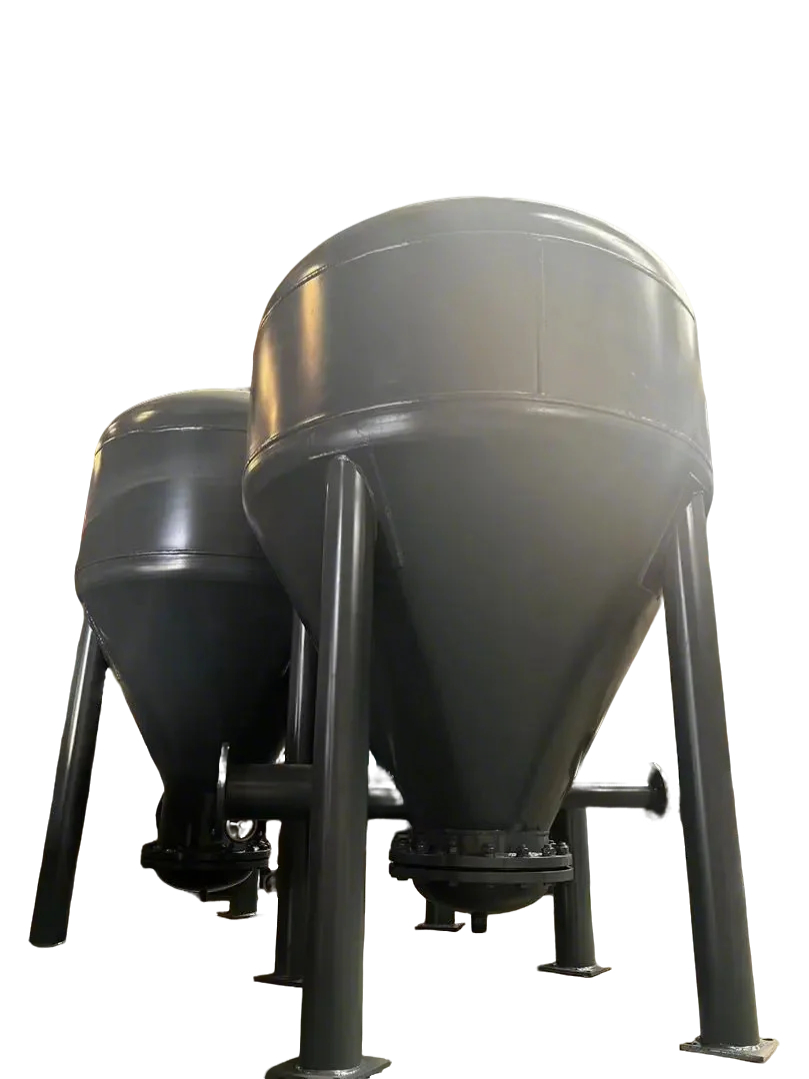
A pneumatic grain conveyor represents a modern solution for moving large volumes of grain efficiently across agricultural facilities. Whether you operate a grain elevator, processing plant, or storage complex, understanding whether pneumatic conveying systems fit your specific capacity needs is essential for optimizing operations and reducing handling costs. The answer depends on multiple factors including your throughput requirements, facility layout, operational budget, and long-term maintenance expectations.
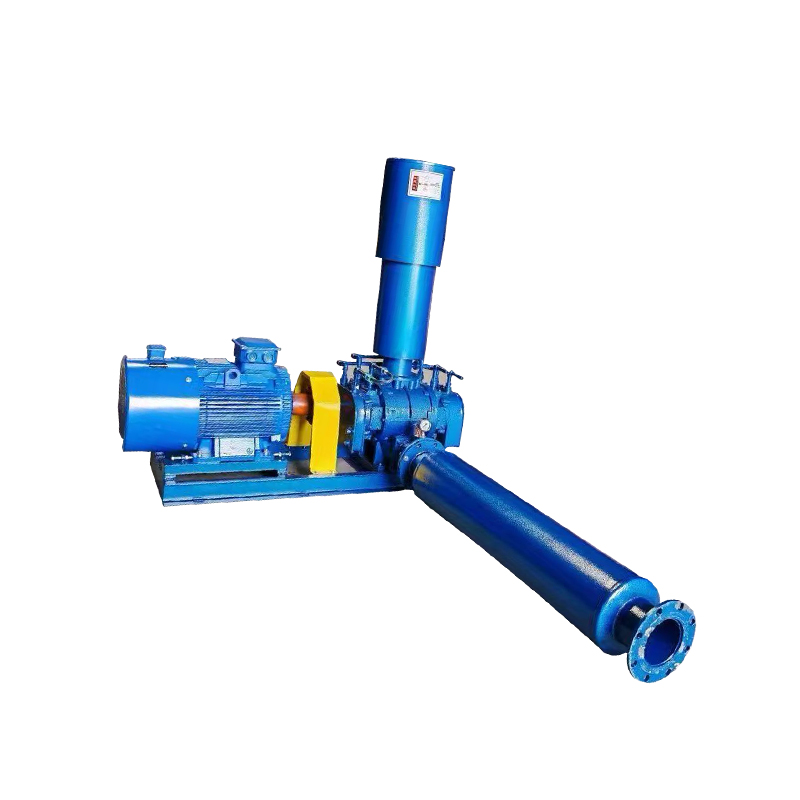
High-capacity agricultural applications demand reliable grain handling equipment efficiency and consistent material flow. Pneumatic systems excel in transporting grain vertically and horizontally without degradation, making them ideal for facilities processing thousands of bushels daily. This guide examines whether pneumatic grain conveyor technology aligns with your operational goals and explores the practical considerations that determine suitability for your operation.
Understanding Pneumatic Grain Conveyor Capacity and Performance
Throughput Capabilities and System Design
Pneumatic conveying systems deliver outstanding grain handling equipment efficiency for high-volume operations. These systems can transport grain at rates ranging from 50 to 300 tons per hour, depending on air pressure, pipe diameter, and system configuration. The volumetric capacity depends on the compressor horsepower, the density of the grain being conveyed, and the distance the material must travel. For facilities exceeding 100 tons daily, pneumatic systems provide the speed and consistency that mechanical conveyors cannot match.
Bulk material pneumatic transport operates by using compressed air to suspend and propel grain through sealed pipes. Unlike open belt conveyors, pneumatic systems eliminate environmental exposure, dust generation, and product loss. This sealed-system approach protects grain quality while maximizing throughput. Many agricultural operations find that upgrading to pneumatic grain conveyor technology increases their effective processing capacity by 30 to 50 percent without requiring facility expansion.
Distance and Routing Flexibility
Pneumatic conveying system maintenance becomes more straightforward when you choose systems designed for long-distance horizontal and vertical transport. These systems can move grain 200 feet horizontally or lift it 50 feet vertically in a single line, compared to mechanical alternatives requiring multiple transfer points. Reduced transfer points mean fewer chute connections, less spillage, and simpler grain handling equipment efficiency tracking. Facility layouts with complex routing benefit significantly from the flexibility of bulk material pneumatic transport solutions.
Suitability Factors for High-Capacity Agricultural Applications
Production Volume Requirements and Seasonal Demand
High-capacity agricultural operations process millions of bushels annually, with demand often concentrated in harvest seasons. A pneumatic grain conveyor system scales effectively to handle these seasonal spikes without requiring capital-intensive infrastructure upgrades. If your facility processes 50,000 bushels or more during peak periods, pneumatic conveying systems typically justify their investment through operational efficiency gains. The consistent performance of grain handling equipment efficiency using pneumatic methods ensures reliable processing without bottlenecks during critical periods.
Facilities with variable throughput benefit from pneumatic system flexibility. Systems can operate at partial capacity during off-season periods and scale to full output during harvest without mechanical strain. This adaptability makes pneumatic grain conveyor technology particularly suitable for cooperatives and regional grain handlers managing fluctuating volume demands across multiple customer sources.
Space Constraints and Facility Layout
Modern agricultural facilities often operate in space-constrained environments where land availability is limited and facility footprints are fixed. Pneumatic conveying systems use vertical piping that occupies minimal floor space, allowing grain handling equipment efficiency improvements without costly facility modifications. Bulk material pneumatic transport routes can be designed to navigate around existing structures, equipment, and building layouts that would limit traditional conveyor installations. This spatial efficiency particularly benefits retrofit projects where upgrading aging conveyors requires minimal disruption to active operations.
Maintenance, Operating Costs, and Long-Term Value
Pneumatic Conveying System Maintenance Demands
Pneumatic conveying system maintenance requirements differ fundamentally from mechanical alternatives. Regular maintenance includes compressor servicing, filter replacement, and periodic inspection of pipe wear, typically requiring 2 to 4 hours monthly. While mechanical conveyor belts demand frequent tensioning and bearing replacement, pneumatic systems eliminate these wear-intensive components. The sealed-pipe design of grain handling equipment efficiency systems reduces contamination and product degradation, lowering replacement costs for damaged grain.
Properly maintained pneumatic grain conveyor systems demonstrate consistent performance over 15 to 20 year operational lifespans. The total cost of ownership often proves favorable compared to mechanical alternatives when factoring in product loss, grain quality degradation, and maintenance labor. Bulk material pneumatic transport systems generate lower operating temperatures and reduce grain breakage, preserving product value throughout the handling process.
Energy Consumption and Operational Economics
Energy efficiency represents a key consideration for high-capacity operations evaluating pneumatic grain conveyor investments. Compressed air systems consume more electrical power than mechanical conveyors when moving equivalent volumes, but this energy cost is offset by reduced product degradation and higher throughput capacity. Modern variable-frequency-drive compressors optimize grain handling equipment efficiency by matching air supply to actual demand, reducing energy waste during partial-load operation. For facilities processing grain continuously during harvest season, the consolidated handling timeline enabled by pneumatic conveying systems often reduces total facility operating hours, lowering overall energy consumption despite higher per-hour compressor demand.
FAQ
Are pneumatic grain conveyor systems suitable for all grain types?
Pneumatic grain conveyor technology works effectively with corn, wheat, soybeans, barley, and most commodity grains. Highly fragile grains or those with moisture content above 18 percent require reduced air velocity to minimize breakage. Bulk material pneumatic transport systems can be configured with low-velocity dense-phase conveying for sensitive materials. Consulting with system designers ensures your specific grain types receive appropriate handling and grain handling equipment efficiency optimization.
What initial investment should I expect for a pneumatic conveyor system?
Pneumatic grain conveyor installation costs typically range from $40,000 to $150,000 depending on throughput capacity, distance, and facility complexity. This investment generally recovers within 3 to 5 years through reduced product loss, labor efficiency gains, and operational cost savings. Pneumatic conveying system maintenance costs average 1.5 to 2 percent of system purchase price annually, comparable to mechanical conveyor expenses. Facilities exceeding 100,000 bushels monthly benefit most from this investment timeline.
How do I ensure maximum grain handling equipment efficiency from a pneumatic system?
Grain handling equipment efficiency optimization begins with proper system sizing and continues through consistent maintenance practices. Regular filter cleaning, compressor servicing, and pipe inspection prevent performance degradation. Training operators on appropriate air pressure settings and seasonal adjustments maximizes bulk material pneumatic transport performance. Monitoring conveying velocities and air temperatures helps identify developing issues before they impact throughput capacity, ensuring reliable high-capacity operation throughout the harvest season.