
 EN
EN
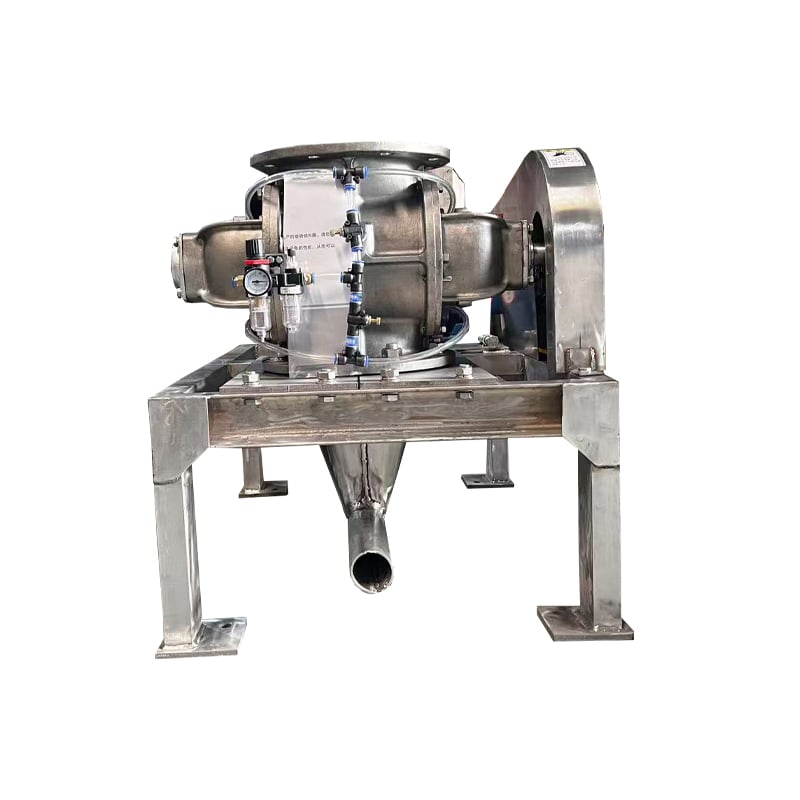
Modern agricultural operations demand efficient grain storage and handling solutions that minimize waste, reduce labor costs, and maintain grain quality throughout the logistics chain. A pneumatic grain conveyor represents a transformative technology in this space, enabling facilities to move large quantities of grain with precision while addressing critical storage optimization challenges. By leveraging pneumatic conveying system design principles, these systems transport grain through enclosed pipelines using compressed air, eliminating exposure to contaminants and weather while significantly improving operational efficiency across grain handling equipment.
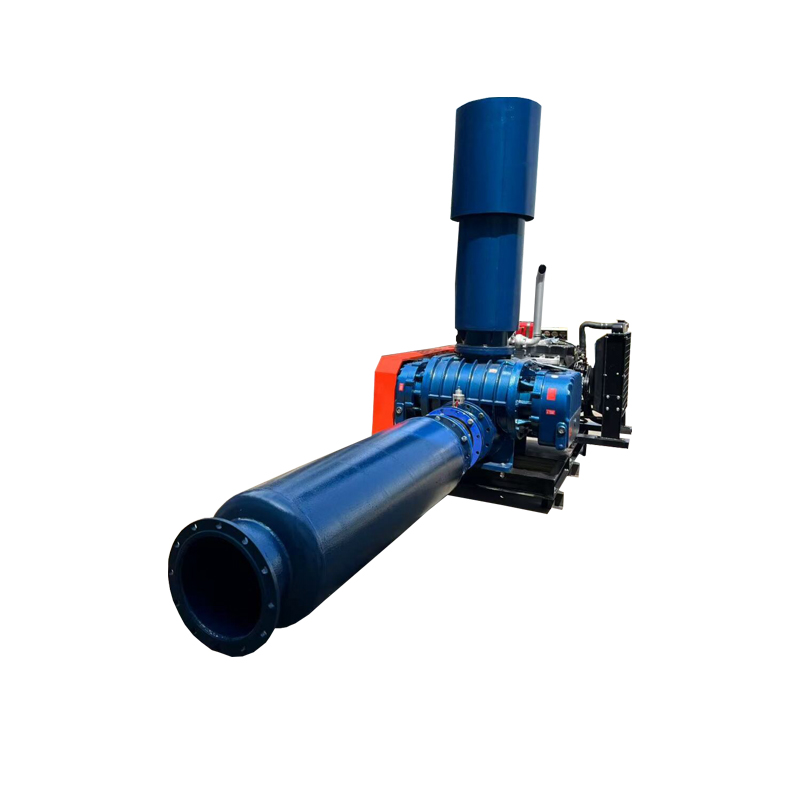
Grain storage operations face mounting pressure to increase throughput while maintaining strict quality standards and regulatory compliance. Traditional bucket elevators and screw conveyors require substantial maintenance, consume excessive energy, and create dust contamination problems that threaten worker safety and product integrity. A pneumatic grain conveyor addresses these limitations by delivering grain handling equipment efficiency gains of 30 to 50 percent compared to conventional methods, while reducing dust emissions by up to 95 percent. Understanding how pneumatic conveying technology optimizes storage workflows allows facility managers to make informed decisions about equipment investments that directly impact profitability and sustainability.
How Pneumatic Conveying System Design Enhances Storage Efficiency
Air Transport Mechanism and Grain Movement
The core principle behind bulk material air transport involves suspending grain particles within a pressurized air stream that moves them through sealed conduits from collection points to storage facilities. Modern pneumatic conveying system design incorporates variable speed controls, pressure optimization, and strategic pipe routing to match the specific characteristics of different grain types, moisture levels, and ambient conditions. This controlled environment prevents kernel breakage, maintains grain temperature stability, and eliminates the sorting and quality degradation that occurs with mechanical tumbling in traditional conveyors.
Pressure and Flow Rate Management
Effective grain handling equipment efficiency depends on precise calibration of air pressure and volumetric flow rates tailored to each grain variety and storage configuration. Dilute phase systems use lower pressures suitable for long-distance transport without damage, while dense phase systems employ higher pressures for shorter runs with minimal air consumption. Operators can adjust these parameters in real time, allowing a single pneumatic grain conveyor installation to handle wheat, corn, soybeans, and specialty crops without equipment modification, reducing capital expenditure and operational complexity compared to dedicated mechanical systems.
Operational Benefits That Drive Storage Optimization
Reduced Contamination and Quality Preservation
Enclosed bulk material air transport eliminates weather exposure, rodent intrusion, and cross-contamination that compromise grain quality during conventional handling. The sealed nature of pneumatic conveying system design protects grain from moisture absorption, fungal development, and mycotoxin formation that accelerate spoilage and trigger regulatory penalties. Storage facility operators report consistent grain quality parameters throughout seasonal operations, enabling higher market prices and reduced rejection rates that directly offset equipment investment costs within two to three harvest cycles.
Labor Efficiency and Safety Improvements
Automation capabilities in grain handling equipment efficiency measures dramatically reduce manual labor requirements during loading, transfer, and storage operations. Pneumatic grain conveyor systems eliminate the repetitive physical work, hazardous equipment interaction, and dust inhalation risks that characterize traditional grain handling. Workers transition from labor-intensive material handling roles to equipment monitoring and maintenance positions, improving workplace safety metrics and reducing worker compensation claims while addressing persistent labor shortage challenges in agricultural operations.
Integration with Modern Storage Infrastructure
Scalability and System Expansion
Pneumatic conveying system design offers exceptional flexibility for facilities anticipating growth or changing operational requirements without complete infrastructure replacement. Additional storage bins, collection points, and discharge locations connect seamlessly to existing pipe networks through modular expansion components. This scalability allows grain storage operations to increase throughput capacity incrementally, matching investment timing to revenue growth and market conditions. Unlike mechanical conveyor systems that require extensive civil engineering modifications, pneumatic technology enables swift deployment of additional grain handling equipment efficiency enhancements.
Energy Efficiency and Cost Control
Bulk material air transport consumes less total energy than mechanical alternatives over typical operating cycles, particularly when variable frequency drive motors automatically adjust compressor output to match instantaneous grain flow demands. Modern pneumatic grain conveyor installations integrate smart controls that optimize pressure settings based on real-time load data, reducing energy consumption by 20 to 35 percent compared to systems operating at constant maximum pressure. Lower energy requirements directly improve operational profitability and support sustainability commitments that increasingly influence grain buyer preferences and market access.
Practical Implementation Considerations
System Sizing and Capacity Planning
Successful pneumatic grain conveyor deployment requires careful analysis of peak handling rates, storage configuration, facility layout, and seasonal throughput patterns to specify appropriately sized equipment. Undersized systems create bottlenecks that negate efficiency gains and frustrate operators, while oversized pneumatic conveying system design investments waste capital and consume unnecessary energy during typical operations. Professional system designers conduct detailed facility audits, measure grain flow rates, and model airflow patterns to recommend equipment specifications that maximize grain handling equipment efficiency while remaining economically justified by the facility's specific operational profile.
Maintenance Requirements and Operational Planning
Pneumatic systems require routine maintenance including compressor servicing, filter replacement, air line inspection, and occasional valve cleaning to maintain reliability and bulk material air transport effectiveness. Preventive maintenance schedules prevent unexpected downtime during critical harvest periods, protecting crop value and maintaining customer commitments. Most facilities allocate one to two maintenance personnel to manage pneumatic grain conveyor systems, substantially fewer than crews required for traditional conveyor networks, creating net labor cost reductions even when accounting for specialized technical training.
FAQ
Can a pneumatic grain conveyor handle multiple grain types simultaneously without contamination?
No, simultaneous handling of different grain types risks cross-contamination and quality degradation. However, changing from one grain type to another requires only a brief flush cycle using compressed air to clear residual material from pipes and joints. Most facilities maintain dedicated pneumatic conveying system design configurations for their primary crops, switching between grains during seasonal transitions when grain storage operations can accommodate brief idle periods for system purging and equipment configuration adjustments.
How does bulk material air transport compare to mechanical conveyors regarding initial installation cost?
Initial pneumatic grain conveyor installation typically costs 25 to 40 percent more than traditional mechanical systems, reflecting engineering complexity and component quality requirements. However, lower operational expenses, reduced maintenance labor, decreased energy consumption, and eliminated product loss from grain handling equipment efficiency gains recover the capital premium within three to five years for most commercial grain storage operations. Long-term total cost of ownership favors pneumatic systems decisively.
What prevents grain damage during pneumatic conveying system design operation?
Careful control of air velocity, pressure optimization for grain variety, strategic pipe routing avoiding sharp bends, and buffer zones at discharge points all protect grain integrity during bulk material air transport. Dilute phase pneumatic grain conveyor systems move grain gently at lower speeds, while sensors monitor product temperature and moisture content to detect conditions that could compromise quality. Modern systems achieve kernel damage rates below 1 percent, matching or exceeding performance of the best mechanical alternatives.