
 EN
EN
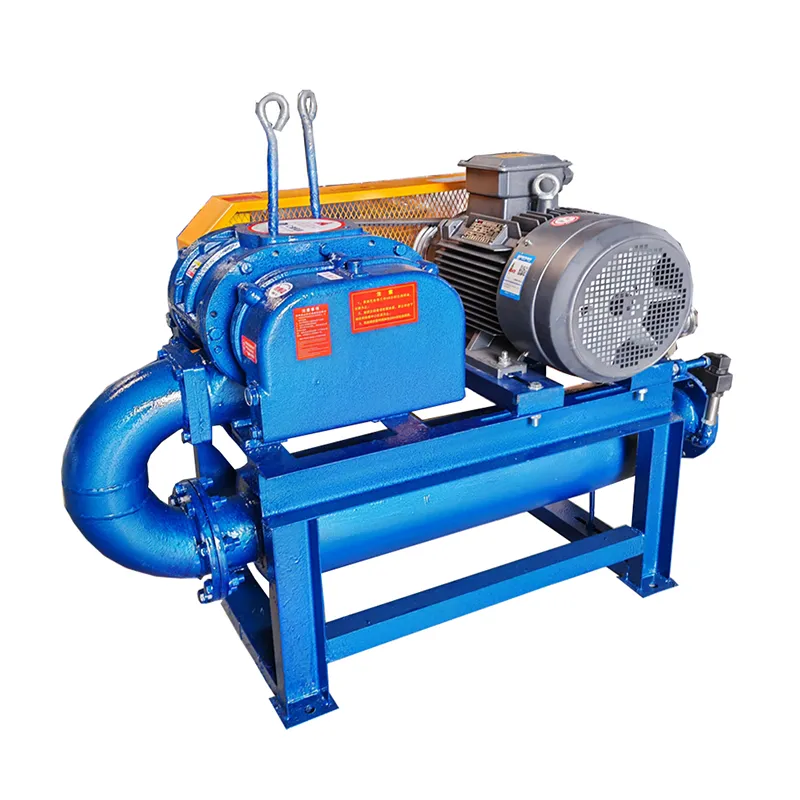
Selecting the right industrial roots blower is one of the most critical decisions in industrial air compression equipment planning. The wrong choice leads to inefficient operations, excessive energy consumption, and costly downtime. Understanding how rotary lobe blower specifications match your specific work conditions ensures you invest in equipment that delivers consistent performance while minimizing operational strain.
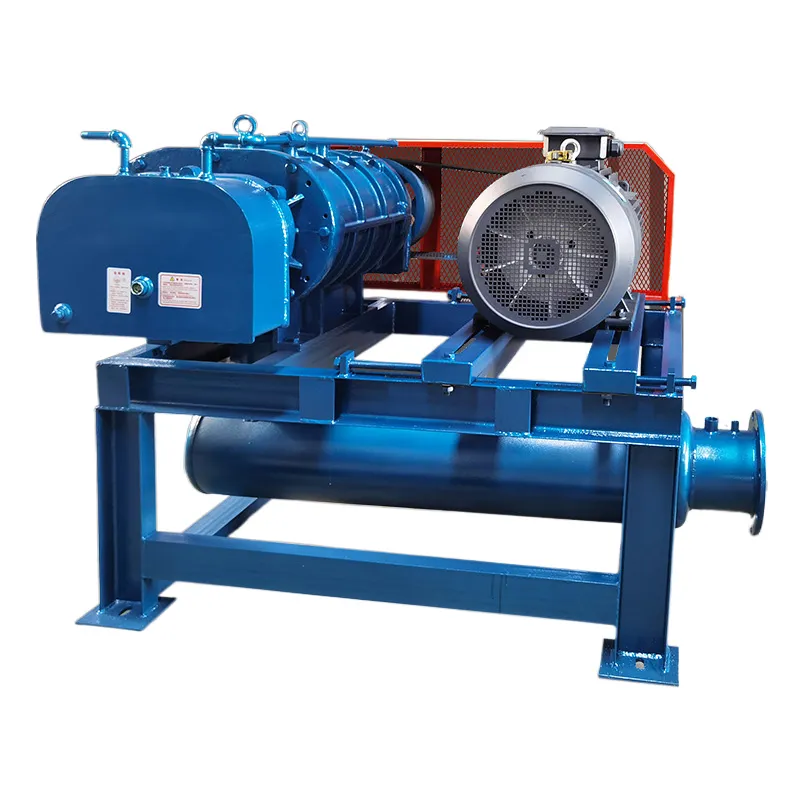
An industrial roots blower operates using positive displacement principles, moving a fixed volume of air per rotation regardless of downstream pressure. This fundamental characteristic makes positive displacement blower applications ideal for pneumatic conveying, wastewater treatment aeration, vacuum processes, and other high-volume, moderate-pressure operations. Before committing to any blower system, you must analyze your facility's demand profile, environmental constraints, and long-term operational requirements.
Assessing Your Application Requirements
Pressure and Flow Demand Analysis
The first step in selecting industrial air compression equipment is determining your exact pressure and volumetric flow requirements. Roots blowers are positive displacement units designed for moderate pressures, typically ranging from 7 to 15 psi in standard industrial configurations. Calculate your peak demand in cubic feet per minute (CFM) by analyzing your most demanding process condition, not average usage.
Flow requirements drive the physical size and motor specifications of your rotary lobe blower specifications. Undersizing creates backpressure constraints and forces the blower into continuous high-load operation, reducing lifespan. Oversizing wastes energy and capital investment. Many facilities find that positive displacement blower applications benefit from selecting a unit rated 10 to 15 percent above peak demand to preserve efficiency margin.
Environmental and Thermal Conditions
Inlet air temperature, humidity, and ambient operating conditions significantly affect industrial roots blower performance and longevity. Roots blowers draw in air from their surrounding environment, so high ambient temperatures or humid conditions directly impact discharge temperatures. If your facility operates in a warm climate or near high-heat processes, cooling provisions become essential to protect both the blower and downstream equipment.
Rotary lobe blower specifications must include thermal ratings and cooling capacity appropriate for your site. When ambient temperatures exceed 104°F or inlet conditions are contaminated with moisture or particulates, consider adding aftercoolers or air treatment systems. Industrial air compression equipment in such environments demands superior heat dissipation to maintain efficiency and prevent seal failure.
Matching Rotary Lobe Blower Specifications to Work Conditions
Pressure Capability and Load Profile
Roots blowers excel in constant-speed, steady-load operations where positive displacement blower applications demand reliable, uninterrupted air supply. However, they do not tolerate continuous high-pressure conditions like centrifugal compressors do. If your industrial roots blower will operate against elevated backpressure for extended periods, select models with heavy-duty bearings and robust motor coupling systems.
Rotary lobe blower specifications include maximum rated discharge pressure, typically labeled as the sustained pressure the unit can handle without damage. Operating beyond this rating causes excessive heat generation, accelerated wear on lobes, and bearing deterioration. Always verify that your selected industrial air compression equipment maintains sufficient pressure margin between your system demand and the blower's rated maximum.
Volume and Velocity Requirements
Different positive displacement blower applications demand different volumetric delivery and velocity profiles. Pneumatic conveying systems require steady, moderate-velocity airflow to suspend and transport solids without damage. Wastewater aeration benefits from high-volume, lower-pressure air delivered through diffusers. Vacuum applications require reverse operation of the industrial roots blower at negative pressures.
When evaluating rotary lobe blower specifications, examine both the displacement volume (in cubic inches per revolution) and the operating speed range. A larger displacement unit running at lower RPM often proves more efficient and reliable than a smaller unit operating at maximum speed. Industrial air compression equipment sized for moderate-speed operation generates less vibration, runs cooler, and experiences longer service intervals between maintenance.
Installation and Integration Considerations
Coupling, Mounting, and Space Constraints
Physical integration of an industrial roots blower into your facility requires careful planning. Rotary lobe blower specifications include dimensional data, weight, and vibration characteristics that determine mounting requirements. Roots blowers generate moderate to high vibration due to their positive displacement operating principle, necessitating solid concrete pads, vibration isolators, and proper alignment with connected piping.
Space availability often constrains blower selection in retrofits or facility expansions. Horizontal or vertical mounting orientations are both viable, but your selection of industrial air compression equipment must accommodate motor access, inlet ductwork clearance, and discharge piping routing. Undersized installation spaces lead to restricted airflow, inadequate cooling, and inaccessible maintenance points.
Noise, Vibration, and Community Impact
Industrial roots blower noise levels typically range from 80 to 95 decibels depending on rotary lobe blower specifications and installation method. In facilities near residential areas or sensitive indoor environments, sound attenuation becomes mandatory. Positive displacement blower applications in confined spaces benefit from acoustic enclosures, silencers on inlet and discharge, and vibration damping mounts.
Selecting industrial air compression equipment with lower operating speeds reduces both noise and vibration. Variable-speed drive systems allow your blower to modulate output based on real-time demand, minimizing unnecessary full-load operation during lighter production cycles. This approach improves overall facility noise profiles while simultaneously reducing energy consumption and extending blower service life.
FAQ
What pressure range do industrial roots blowers typically handle?
Industrial roots blower units operate effectively in the moderate-pressure range of 7 to 15 psi for most applications. Some heavy-duty rotary lobe blower specifications extend to 20 psi with reinforced construction, but sustained operation beyond the manufacturer's rated maximum pressure causes overheating, rapid wear, and component failure. Always select industrial air compression equipment with sufficient pressure rating above your system's peak demand.
How do positive displacement blower applications differ from centrifugal systems?
Positive displacement blower applications, including industrial roots blower units, deliver a fixed volume per rotation independent of downstream pressure, making them ideal for applications requiring consistent flow. Centrifugal systems adjust their discharge volume based on pressure, excelling in continuous high-pressure environments. Rotary lobe blower specifications make them superior for pneumatic conveying, vacuum processes, and low-to-moderate pressure aeration, while centrifugal equipment suits high-pressure, variable-demand applications.
What maintenance do industrial roots blower systems require?
Regular maintenance of an industrial roots blower involves checking oil levels, inspecting rotary lobe blower specifications components for wear, monitoring bearing temperatures, and replacing inlet filters. Most industrial air compression equipment operates reliably with quarterly filter changes and annual bearing inspections. Positive displacement blower applications benefit from thermography monitoring and vibration analysis to detect early wear patterns before catastrophic failure occurs.