
 EN
EN
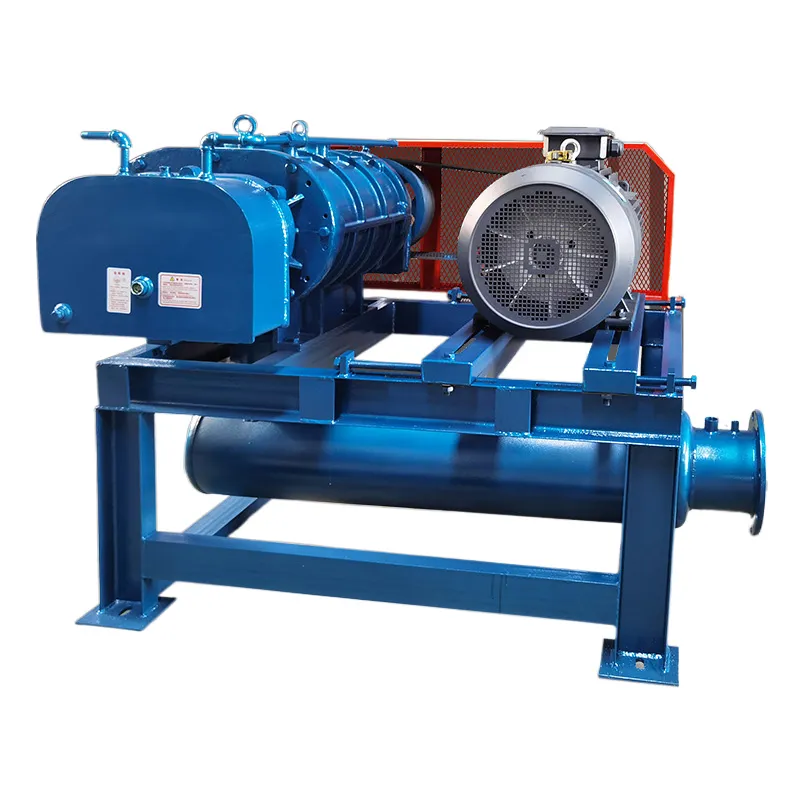
Production stability is a critical concern for manufacturing facilities across multiple industries. Equipment downtime, inconsistent airflow, and pressure fluctuations can disrupt operations and reduce output quality. An industrial roots blower addresses these challenges by delivering consistent, reliable compressed air to production systems. Unlike centrifugal blowers that rely on impeller speed variations, positive displacement blower applications provide steady volumetric output regardless of pressure conditions, making them ideal for maintaining stable production environments.
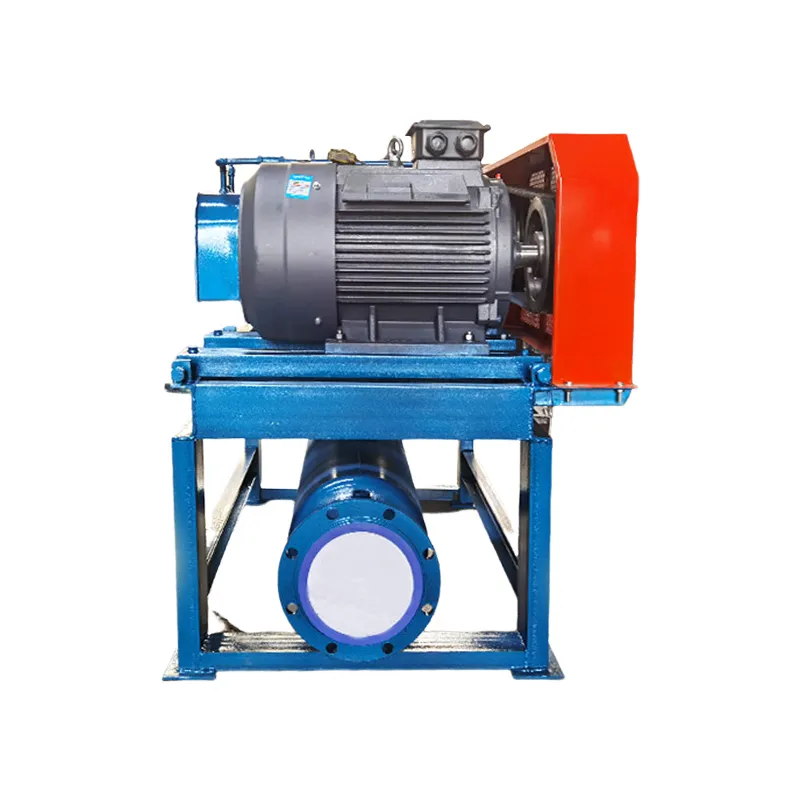
The mechanical design of an industrial roots blower ensures predictable airflow characteristics that directly translate to more stable production outcomes. By maintaining constant displacement per revolution, these blowers prevent the pressure spikes and drops that plague other compression systems. Industries ranging from wastewater treatment to pneumatic conveying rely on industrial air compression equipment specifications to standardize performance and protect downstream processes. Understanding how roots blower maintenance and troubleshooting practices support operational stability helps facilities make informed capital equipment decisions.
How Industrial Roots Blowers Deliver Consistent Airflow
Positive Displacement Technology Foundation
Positive displacement blower applications operate on a fundamental principle: each rotation of the impeller moves a fixed volume of air from inlet to outlet. This contrasts sharply with centrifugal blowers, which modulate airflow based on speed and pressure differential. The industrial roots blower mechanism uses two rotating lobes that trap air and transport it through the compression chamber without internal contact. This design eliminates variable slip losses and pressure-dependent flow variations, delivering exceptional consistency that production systems depend on.
The fixed displacement characteristic makes industrial air compression equipment specifications straightforward to define and verify. When a production facility specifies a 100 CFM roots blower, engineers can depend on 100 CFM delivery across normal operating pressure ranges. This reliability enables accurate process planning and eliminates the guesswork associated with variable-displacement equipment. Facilities benefit from simplified system integration and reduced need for compensatory controls.
Pressure Stability and Equipment Protection
Many production processes require stable outlet pressure to function correctly. Pneumatic sorting systems, air-actuated controls, and conveyance networks all depend on consistent pressure delivery. An industrial roots blower maintains pressure stability by operating at constant displacement, allowing downstream pressure regulators to maintain setpoints without constant adjustment cycles. This stability reduces wear on pressure relief valves and extends the service life of pneumatic components throughout the production system.
Production stability directly improves when equipment stress diminishes. Positive displacement blower applications eliminate the pressure cycling that degrades seals, bearings, and control valves in competing compression systems. Facilities that transition to roots blower systems report fewer pressure-related failures and longer maintenance intervals for production equipment. The cumulative effect supports higher uptime and more predictable production schedules.
Roots Blower Maintenance and Troubleshooting Essentials
Preventive Maintenance Strategies
Reliable production depends on proactive maintenance discipline for industrial air compression equipment specifications. Roots blower maintenance and troubleshooting protocols should focus on oil level management, filter condition monitoring, and bearing inspection schedules. Regular oil analysis helps detect wear particles before they compromise lobe surfaces or bearing integrity. Implementing standardized filter replacement intervals prevents debris from entering the compression chamber and protects the precision-engineered lobe geometry that enables consistent performance.
Temperature monitoring represents another critical maintenance element for industrial roots blower systems. Elevated discharge temperatures indicate potential issues such as internal leakage, inadequate cooling, or excessive pressure buildup. Establishing baseline temperature profiles during normal operation allows maintenance teams to detect anomalies early. Addressing temperature concerns before they escalate prevents catastrophic failures that disrupt production stability and create emergency downtime situations.
Common Issues and Diagnostic Approaches
Industrial roots blower operators should understand typical failure modes to maintain production stability effectively. Positive displacement blower applications can experience performance degradation from worn lobes, damaged seals, or bearing wear that develops over extended operation. Roots blower maintenance and troubleshooting procedures include capacity testing to identify when actual output falls below specification. Comparing actual versus rated performance reveals whether internal wear warrants rebuild or replacement decisions.
Noise and vibration changes often signal bearing deterioration or lobe surface damage requiring immediate attention. Production facilities should establish baseline vibration signatures during normal operation, then monitor for increases that suggest developing wear. Early detection through condition monitoring prevents catastrophic failures that would halt production. This predictive approach to roots blower maintenance and troubleshooting supports sustained production stability by eliminating unplanned outages.
Industrial Roots Blower Applications Across Production Environments
Critical Industry Use Cases
Positive displacement blower applications extend across numerous industrial sectors where production stability depends on reliable air compression. Wastewater treatment facilities rely on consistent aeration airflow to maintain biological process stability. Pneumatic conveying systems require steady pressure to move materials predictably without segregation or bridging issues. Food and beverage production uses industrial air compression equipment specifications for aeration, packaging, and process control applications where consistency directly impacts product quality.
Manufacturing plants deploying pneumatic automation benefit from the stable pressure characteristics that an industrial roots blower provides. Precision air-actuated systems perform most reliably when pressure remains constant, allowing operators to maintain consistent cycle times and output rates. Fish farming and aquaculture operations depend on steady aeration rates to maintain dissolved oxygen levels that support stock health. These diverse applications demonstrate why industrial air compression equipment specifications emphasizing consistent displacement solve fundamental production challenges.
Performance Optimization Within Production Systems
Production stability improves when industrial roots blower selection accounts for downstream system requirements. Over-sizing creates excessive pressure and wasted energy, while under-sizing compromises process performance. Matching blower capacity to actual application demand ensures efficient operation and reduces heat generation that complicates cooling management. Properly specified industrial air compression equipment specifications allow production systems to operate within designed parameters and maintain consistent output.
Integrating pressure regulation and flow control downstream of an industrial roots blower enables fine-tuned production stability. Modulating exhaust controls allow operators to adjust system pressure without sacrificing blower efficiency. This approach supports responsive process adjustments when production demands shift while maintaining the pressure stability that downstream equipment requires. Thoughtful system design leveraging positive displacement blower applications maximizes both production consistency and operational flexibility.
FAQ
Why Choose an Industrial Roots Blower Over Centrifugal Alternatives?
Industrial roots blower technology delivers constant displacement regardless of pressure conditions, providing superior production stability compared to centrifugal systems that vary output with speed changes. Positive displacement blower applications excel where consistent airflow and pressure matter most. Centrifugal blowers work well for variable-demand applications, but when production processes require stable conditions, industrial air compression equipment specifications favoring roots technology prevent the pressure fluctuations that disrupt manufacturing operations.
How Often Should Roots Blower Maintenance Occur?
Roots blower maintenance and troubleshooting protocols typically recommend oil changes every 500–2000 operating hours depending on duty cycle and ambient conditions. Filter inspection should occur monthly, with replacements when restriction indicators show elevated pressure drops. Annual bearing inspections and temperature trend analysis help identify developing wear before it impacts production stability. Establishing facility-specific schedules based on operating hours and environmental factors optimizes maintenance timing while preserving industrial air compression equipment specifications.
Can an Industrial Roots Blower Handle Variable Production Demands?
An industrial roots blower maintains constant displacement but can support variable production demands through downstream pressure control systems. Modulating exhaust valves, variable-frequency drives on electric motors, and bypass controls all allow facilities to adjust effective output while the roots blower continues operating at consistent displacement. This approach preserves the positive displacement blower applications' inherent stability advantage while accommodating production rate fluctuations within facility requirements.