
 EN
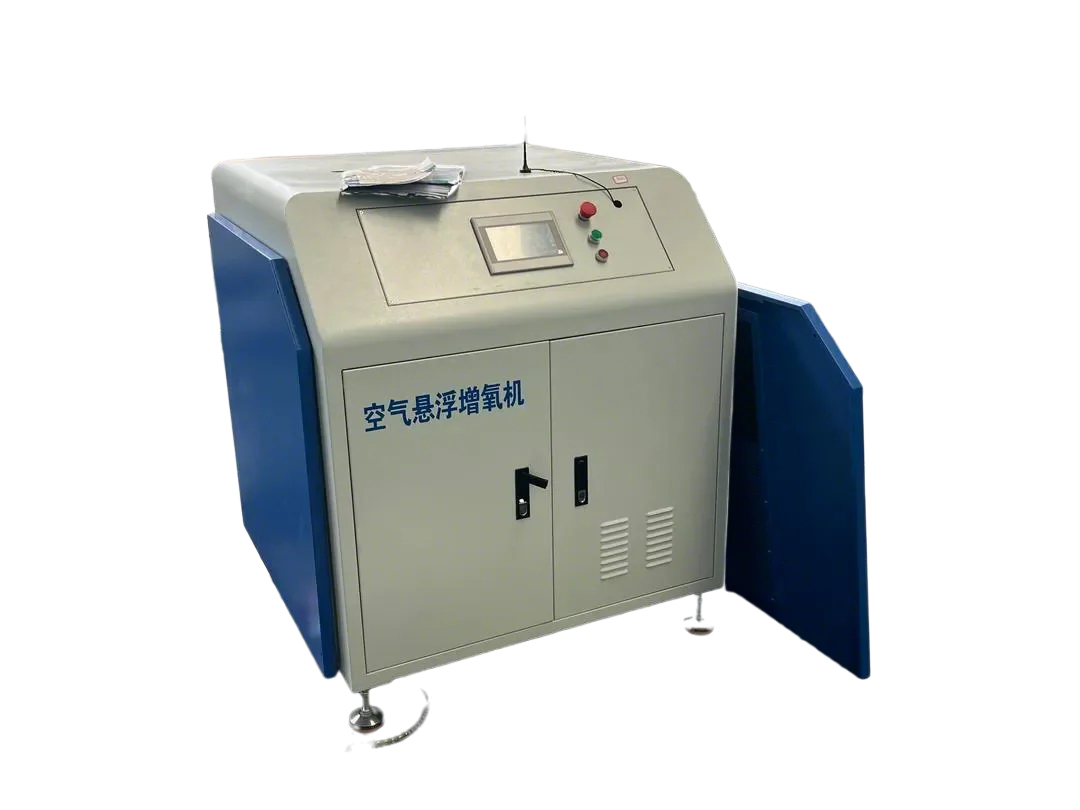
Selecting the right air suspension blower for your facility requires careful evaluation of performance specifications, operational demands, and long-term maintenance considerations. An air suspension blower is a critical component in pneumatic systems, delivering consistent airflow to support manufacturing processes, material handling, and environmental control across diverse industrial applications. The decision extends beyond simple horsepower ratings and pressure ratings—it demands a thorough understanding of your facility's unique requirements, installation constraints, and total cost of ownership.
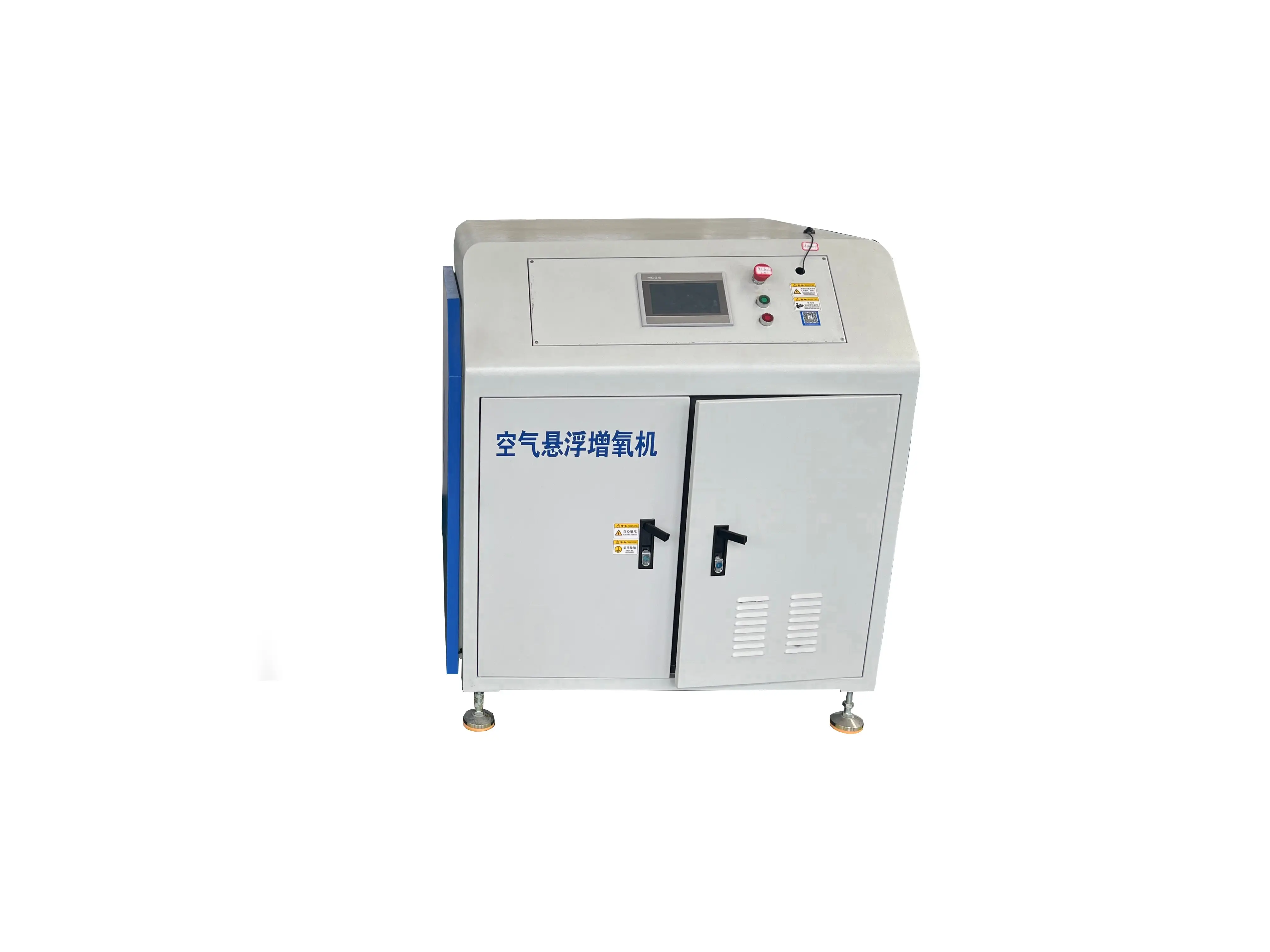
This guide walks through the essential factors that separate effective blower selection from costly mistakes. Understanding how industrial air compressor applications differ, recognizing pneumatic blower troubleshooting patterns, and planning for air suspension system maintenance upfront will protect your investment and ensure reliable facility performance.
Understanding Your Facility's Air Requirements
Defining Airflow and Pressure Specifications
The foundation of any blower selection process begins with calculating actual airflow demand, measured in cubic feet per minute (CFM), and the required pressure rating in pounds per square inch (PSI). Industrial air compressor applications vary dramatically across sectors—food processing demands gentle, consistent airflow, while pneumatic tool systems require sharp pressure bursts. Your facility must document peak demand, average demand, and seasonal fluctuations to avoid undersizing that cripples productivity or oversizing that wastes energy costs. Pneumatic blower troubleshooting often traces back to initial specification errors where facilities underestimated flow requirements or ignored duty cycle intensity.
Assessing Duty Cycle and Operating Environment
Duty cycle classification—whether your air suspension blower will run continuously, intermittently, or in short bursts—directly impacts equipment longevity and efficiency. Continuous-duty applications demand robust construction, superior cooling, and durable seals; intermittent applications tolerate different design priorities. Environmental factors including ambient temperature, humidity, dust contamination, and chemical exposure shape material selection and protective equipment needs. Facilities operating in corrosive environments, extreme temperatures, or high-dust settings require specialized air suspension blower configurations that standard off-the-shelf models cannot provide. These environmental considerations become critical during air suspension system maintenance planning, as harsh conditions accelerate component wear and failure.
Evaluating Technical Specifications and Performance
Comparing Motor Types and Power Delivery
Electric-powered air suspension blowers dominate industrial settings due to reliability, low maintenance, and precise speed control through variable frequency drives (VFDs). Direct-drive designs offer mechanical simplicity and durability, while belt-drive configurations provide flexibility in speed adjustment and motor mounting. The motor horsepower rating alone misleads many purchasing managers—a 10 HP blower with poor aerodynamic design delivers inferior performance compared to an 8 HP unit optimized for your specific pressure range. Industrial air compressor applications benefit from VFD-equipped motors that automatically adjust speed based on demand, reducing energy consumption by 20–40% compared to fixed-speed alternatives. Evaluating motor warranty, thermal overload protection, and service accessibility prevents costly emergency shutdowns when pneumatic blower troubleshooting becomes necessary.
Reviewing Impeller Design and Efficiency Ratings
The impeller design determines how efficiently an air suspension blower converts motor power into useful airflow. Backward-curved impellers typically deliver 75–85% efficiency for most industrial applications, while forward-curved designs excel in high-volume, low-pressure scenarios. Centrifugal designs create higher pressure but at reduced efficiency, making them suitable for specific pneumatic blower troubleshooting scenarios where pressure override protection matters more than peak efficiency. Asking manufacturers for efficiency ratings across your expected operating range provides realistic energy cost projections. Air suspension system maintenance becomes simpler with impellers designed for easy cleaning and inspection—clogged or contaminated impellers degrade performance by 10–15% before operational problems become obvious.
Considering Installation, Integration, and Support
Planning Physical Installation and Space Constraints
Industrial air compressor applications often face tight space restrictions in existing facilities. Evaluate mounting location for vibration isolation, acoustic management, and heat dissipation—undersized installations create hotspots that trigger protective shutdowns. Vertical versus horizontal orientation, ceiling-mounted versus floor-mounted configurations, and proximity to electrical service require careful site assessment before ordering. Many facilities overlook ducting and piping compatibility, assuming standard connections fit existing infrastructure. Mismatched inlet or discharge connections force costly custom adaptations that delay installation and inflate project costs. Professional installation assessments prevent these complications while establishing proper air suspension system maintenance access points for future service.
Securing Technical Support and Spare Parts Availability
Blower selection should account for manufacturer support quality, documentation clarity, and spare parts availability in your region. Established equipment suppliers maintain local inventory of common replacement components—impeller seals, bearings, drive belts, and filter elements. Pneumatic blower troubleshooting becomes significantly faster when manufacturers provide detailed maintenance manuals, wiring diagrams, and video resources. Warranty coverage, response time commitments, and access to trained technicians differentiate suppliers serving industrial facilities from those targeting residential markets. Facilities operating critical production lines justify premium pricing for local service partnerships that minimize downtime. Air suspension system maintenance planning should include preventive service agreements before operational crises force emergency support calls at premium rates.
FAQ
What distinguishes an air suspension blower from standard centrifugal blowers?
An air suspension blower incorporates a pneumatic bearing system that suspends the rotor on pressurized air rather than mechanical bearings, eliminating direct metal-to-metal contact. This design extends component lifespan, reduces vibration, and enables the blower to tolerate minor contamination without bearing damage. Industrial air compressor applications benefit from this robustness, particularly in dusty environments or applications handling mildly abrasive materials. However, air suspension technology requires consistent pressure supply and more sophisticated maintenance protocols compared to standard designs, making it more suitable for facilities with advanced pneumatic infrastructure.
How frequently should air suspension system maintenance occur?
Maintenance intervals depend on duty cycle intensity and environmental conditions. Continuous-duty installations typically require inspection every 500 operating hours, with filter changes every 1000 hours under normal conditions. Facilities operating in high-contamination environments should inspect filters every 250–500 hours to prevent efficiency degradation. Pneumatic blower troubleshooting often reveals that deferred maintenance causes 60–70% of reported failures. Establishing a preventive maintenance schedule before installation minimizes unexpected shutdowns and extends equipment life by 30–40% compared to reactive, failure-driven maintenance approaches.
Can pneumatic blower troubleshooting resolve performance decline without equipment replacement?
Yes, systematic troubleshooting addresses 80% of performance issues through cleaning, adjustment, and component replacement rather than full equipment replacement. Reduced airflow often traces to clogged intake filters, contaminated impellers, or seal degradation—all manageable through scheduled maintenance. Pressure loss may stem from leaking discharge lines, loose connections, or worn seals rather than blower failure. Air suspension system maintenance procedures should include periodic performance testing to detect problems early. Professional diagnostics distinguish equipment failure from installation defects or operational misuse, guiding cost-effective remedies that preserve your facility's productivity.