
 EN
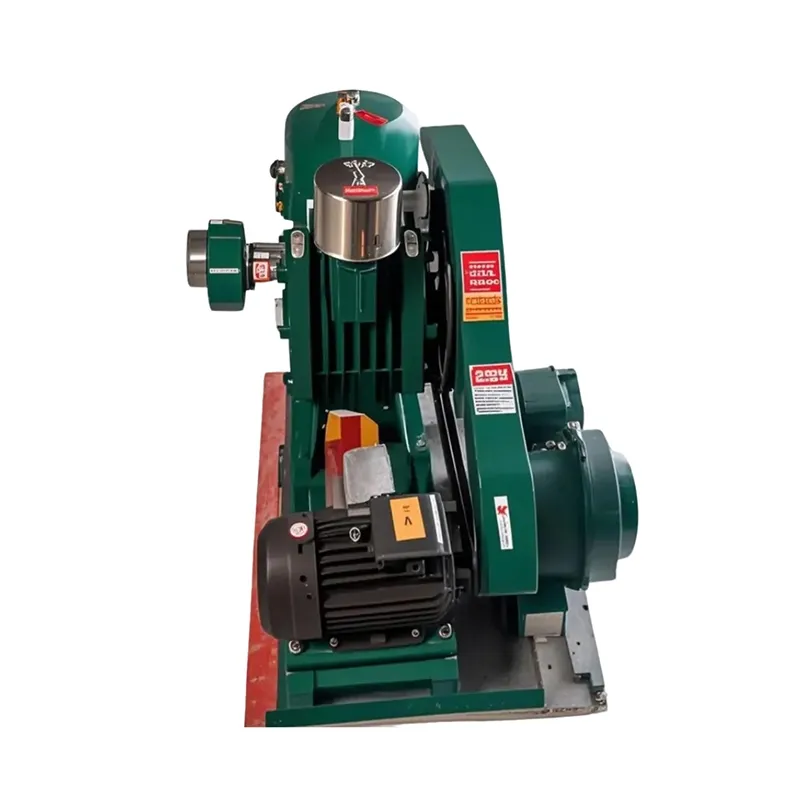
Water treatment facilities face constant pressure to maintain clean, safe water supplies while managing operational costs and energy consumption. A three lobe roots blower has become the industry standard for aeration systems because it delivers consistent, reliable performance in demanding aquatic environments. Unlike centrifugal alternatives, this rotary positive displacement blower design ensures predictable flow rates regardless of system pressure fluctuations, making it the preferred choice for municipal and industrial water treatment operations worldwide.
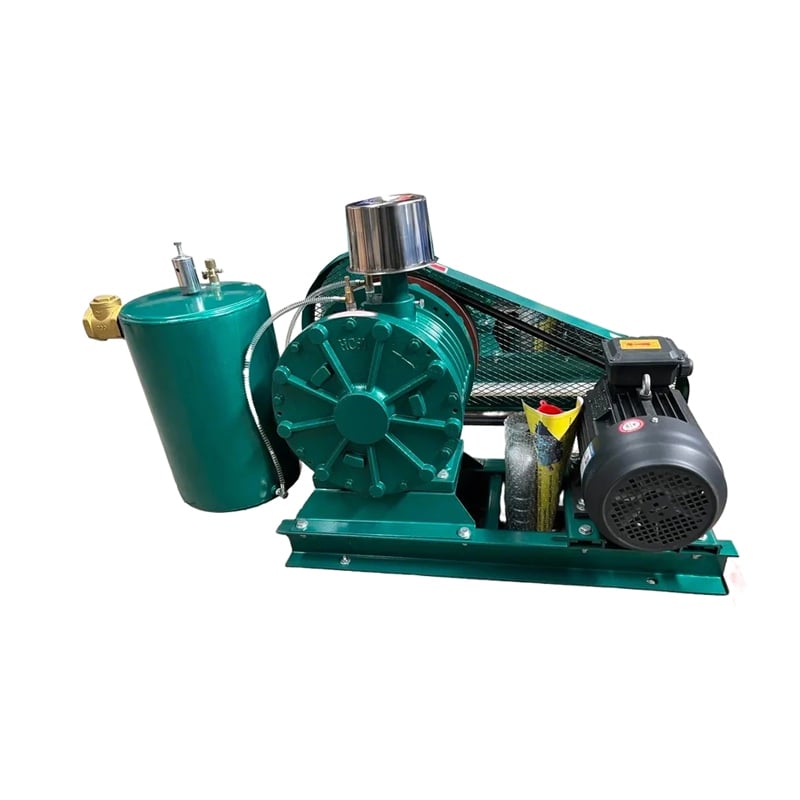
The rotary positive displacement blower mechanism operates on a simple yet powerful principle: two interlocking lobes rotate inside a chamber, trapping and forcing air forward without compression. This design eliminates the pulsation issues common in other blower types and maintains steady pressure even as inlet conditions vary. For water treatment applications requiring sustained aeration, this reliability translates directly into better oxygen transfer efficiency, reduced equipment stress, and lower maintenance demands over the equipment's operational lifespan.
Core Design Advantages for Aeration Systems
Consistent Flow Delivery Under Variable Conditions
Water treatment aeration requires constant, predictable airflow to maintain dissolved oxygen levels critical for biological treatment processes. The three lobe blower design provides this consistency because its volumetric displacement remains constant regardless of downstream pressure changes. When backpressure fluctuates due to diffuser fouling, water level changes, or system restrictions, a rotary positive displacement blower continues delivering the specified airflow without performance degradation. This stability prevents the efficiency drops that centrifugal blowers experience under pressure variations, ensuring treatment tanks receive optimal oxygen supply throughout operational cycles.
Superior Oxygen Transfer Efficiency
Effective aeration depends on delivering air uniformly across diffusers submerged in treatment basins. The steady, pulsation-free output from a three lobe roots blower distributes air more evenly than variable-flow alternatives, improving bubble size distribution and contact time with wastewater. This enhanced oxygen transfer means treatment facilities achieve required dissolved oxygen targets with lower overall air volumes, directly reducing energy costs. For municipal systems processing thousands of gallons daily, this efficiency advantage compounds into substantial operational savings while maintaining treatment efficacy and meeting regulatory discharge standards.
Maintenance and Operational Reliability
Simplicity in Roots Blower Maintenance and Troubleshooting
The rotary positive displacement blower design contains fewer components than many alternatives, reducing failure points and simplifying maintenance routines. Internal lobes rotate with precision tolerances but require no complex valve systems or adjustable components. Roots blower maintenance and troubleshooting focus primarily on checking bearing conditions, verifying seal integrity, and monitoring vibration levels—all straightforward tasks that facility operators can perform without specialized training. When issues arise, diagnostics are faster because mechanical design is straightforward; problems typically trace to wear patterns rather than complex control system failures.
Extended Equipment Lifespan and Cost Control
Proper roots blower maintenance and troubleshooting protocols extend equipment life significantly, protecting facility investments. The consistent loading on internal components means wear patterns are predictable and gradual rather than sudden stress-related failures. Water treatment plants adopting preventive maintenance schedules experience blower service lives of 15 to 20 years or more. This longevity, combined with moderate capital costs for three lobe designs, produces favorable total cost of ownership compared to higher-maintenance alternatives. Facilities can plan replacement cycles accurately and budget maintenance expenses reliably.
Pressure and Capacity Performance for Treatment Applications
Three Lobe Blower Capacity and Pressure Specifications
Water treatment system designers must match three lobe blower capacity and pressure specifications precisely to facility requirements. Standard three lobe models deliver airflow ranging from 50 to 3000 cubic feet per minute, with maximum discharge pressures typically between 5 and 20 pounds per square inch gauge. These pressure ranges suit most aeration basin depths and diffuser configurations found in treatment facilities. Engineers select specific models based on treatment tank volume, desired oxygen transfer rate, and system backpressure calculations. The rotary positive displacement blower concept ensures selected units maintain rated capacity across their operational pressure range, eliminating over-sizing penalties common with centrifugal alternatives.
Scalability Across Facility Sizes
Whether serving small community systems or large metropolitan treatment plants, three lobe blower capacity and pressure specifications can be configured to match demand. Manufacturers offer multiple displacement sizes and speed options, allowing precise matching to facility needs. Parallel configurations enable treatment centers to combine units for redundancy while maintaining efficiency; if one blower requires service, others continue operating at reduced capacity rather than forcing complete shutdown. This scalability advantage means water treatment facilities can optimize capital investment and operational flexibility regardless of system scale or growth projections.
FAQ
How does a rotary positive displacement blower differ from centrifugal blowers in water treatment?
A rotary positive displacement blower maintains constant volumetric flow regardless of pressure changes, while centrifugal blowers reduce output as backpressure increases. For water treatment aeration, this means the three lobe roots blower delivers predictable oxygen transfer even when system conditions fluctuate. Centrifugal designs require larger sizes and energy input to compensate, making the rotary positive displacement blower more efficient for treatment applications demanding consistent performance across varying operational conditions.
What maintenance intervals should water treatment facilities follow for roots blower maintenance and troubleshooting?
Most facilities implement preventive roots blower maintenance and troubleshooting every 2000 to 4000 operating hours, including oil changes, bearing inspections, and seal checks. Monthly visual inspections of vibration, temperature, and discharge pressure help identify emerging issues early. Roots blower maintenance and troubleshooting become easier when operators track baseline performance data, allowing rapid detection of performance deviations. Regular maintenance intervals combined with operator awareness typically extend blower life beyond 15 years while maintaining reliability.
Can three lobe blower capacity and pressure specifications be customized for unique treatment plant requirements?
Yes, manufacturers offer three lobe blower capacity and pressure specifications across multiple displacement sizes and speed configurations to match facility needs precisely. Custom impeller designs, motor selections, and control systems enable adaptation to treatment plants with non-standard tank geometries, diffuser arrangements, or seasonal flow variations. Consulting with equipment specialists ensures three lobe blower capacity and pressure specifications align with treatment objectives while optimizing energy consumption and capital investment.
Table of Contents
- Core Design Advantages for Aeration Systems
- Maintenance and Operational Reliability
- Pressure and Capacity Performance for Treatment Applications
-
FAQ
- How does a rotary positive displacement blower differ from centrifugal blowers in water treatment?
- What maintenance intervals should water treatment facilities follow for roots blower maintenance and troubleshooting?
- Can three lobe blower capacity and pressure specifications be customized for unique treatment plant requirements?