
 EN
EN
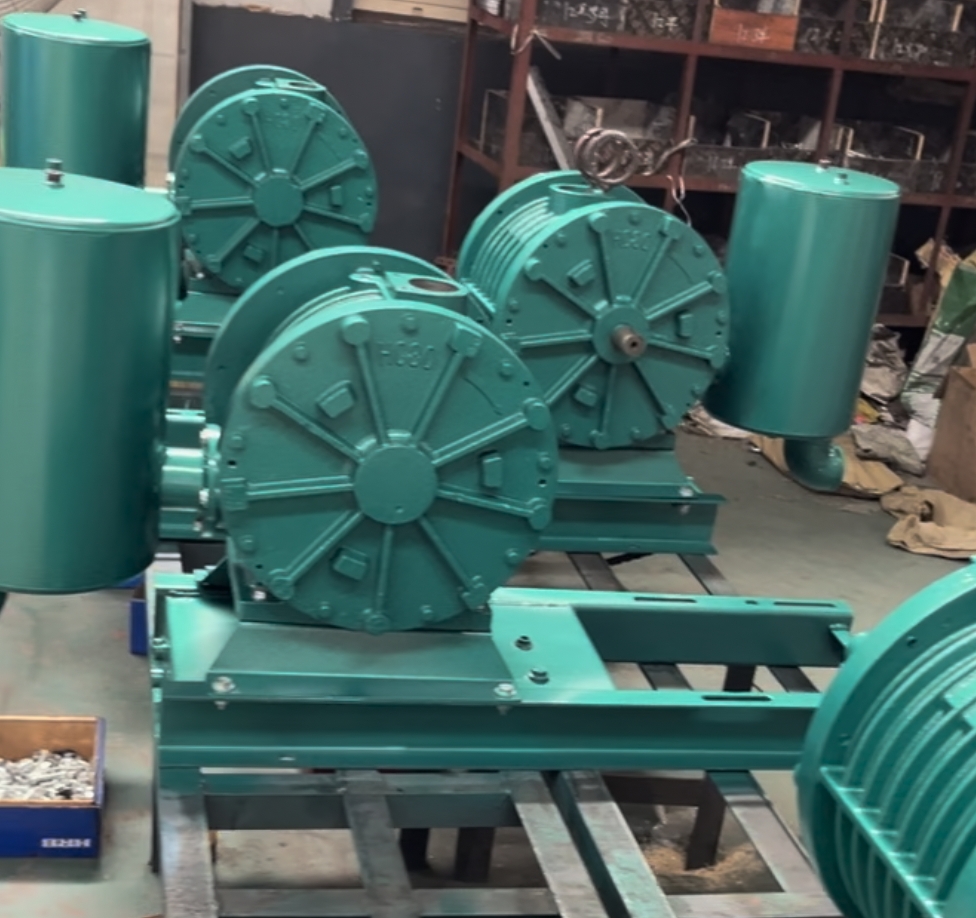
Wastewater treatment facilities face a critical operational challenge: delivering consistent, reliable aeration to support the biological processes that remove contaminants and treat effluent. The solution lies in a proven technology that has become indispensable across the industry—positive displacement blowers. These specialized equipment units provide the steady, controlled air supply that treatment processes demand, making them fundamental to facility performance and regulatory compliance.
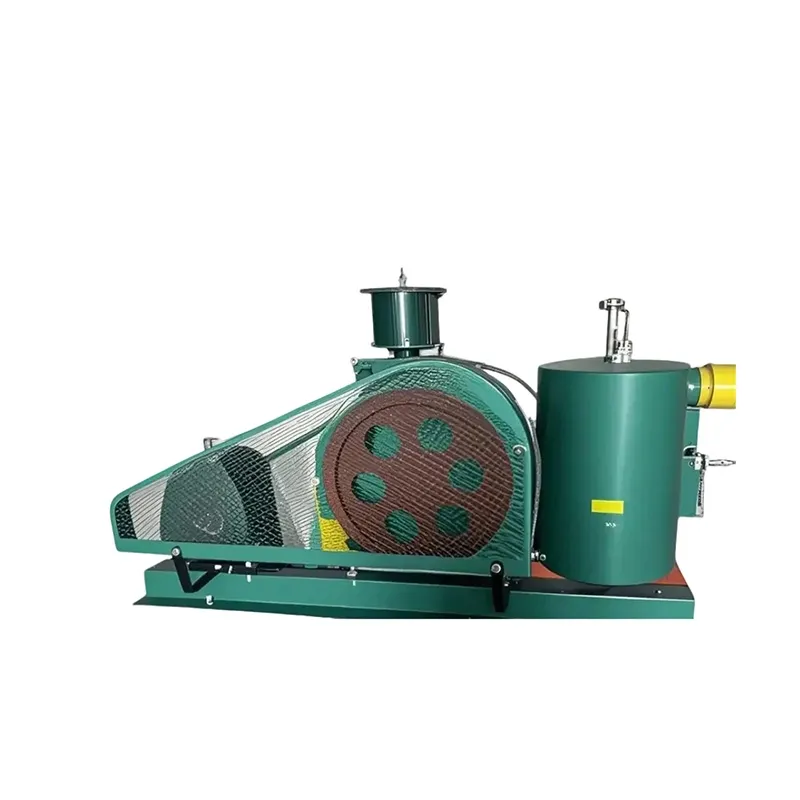
Understanding why wastewater facilities depend on positive displacement blowers requires examining the core operational requirements of modern treatment plants. Unlike centrifugal blowers that rely on speed and momentum, positive displacement technology delivers fixed air volumes regardless of system pressure changes, ensuring stable conditions throughout the aeration basin even as biological activity and loading fluctuate throughout the day.
The Critical Role of Consistent Aeration in Treatment Processes
Supporting Biological Oxidation and Nutrient Removal
Wastewater treatment depends heavily on aerobic microorganisms that consume organic matter and ammonia while producing carbon dioxide and nitrogen gas. These biological processes require a steady oxygen supply to function efficiently. Rotary lobe blower applications provide precisely this consistent airflow, ensuring that mixed liquor suspended solids stay in suspension and oxygen reaches all regions of the aeration basin uniformly.
The biological treatment stage represents the heart of most municipal and industrial wastewater systems. When oxygen levels drop unpredictably, treatment efficiency crashes, ammonia removal fails, and regulatory violations become imminent. Positive displacement blower performance specifications are designed to prevent this scenario by maintaining constant volumetric flow, typically ranging from 50 to 5,000 cubic feet per minute depending on facility size and treatment objectives.
Meeting Regulatory and Effluent Quality Standards
Environmental regulations impose strict limits on nitrogen, phosphonia, suspended solids, and biochemical oxygen demand in treated effluent. Achieving these standards consistently depends on reliable aeration equipment that can adapt to variable feed rates and seasonal loadings. Rotary lobe blower applications excel in this role because they maintain constant displacement regardless of downstream resistance, allowing treatment operators to fine-tune process control without equipment variability introducing additional uncertainty.
Why Positive Displacement Technology Outperforms Alternatives
Advantages Over Centrifugal and Other Blower Types
Centrifugal blowers, while energy-efficient at full design speed, experience significant performance drops when system pressure increases or when installed capacity exceeds actual need. This variable output creates dead zones in aeration basins where insufficient oxygen reaches microorganisms, leading to inconsistent treatment. Positive displacement blower performance specifications guarantee fixed volumes, eliminating these variability challenges and ensuring predictable operational behavior across changing conditions.
The constant-volume characteristic of rotary lobe blower applications makes them ideal for retrofit installations and facility expansions where pressure conditions fluctuate. Unlike equipment that suffers efficiency penalties under high-pressure operation, positive displacement technology maintains its output integrity, preventing the performance degradation that forces operators to oversize or run multiple units simultaneously.
Longevity and Operational Reliability
Positive displacement blower maintenance and troubleshooting protocols have been refined over decades of industrial use. The simple mechanical design—typically featuring two or three rotating lobes that mesh together—creates fewer failure points than complex centrifugal impeller assemblies. This mechanical simplicity translates to longer equipment life, lower maintenance frequency, and reduced unplanned downtime that could disrupt treatment operations.
Maintenance, Performance, and Long-Term Facility Economics
Preventive Maintenance Framework for Sustained Performance
Effective positive displacement blower maintenance and troubleshooting begins with establishing preventive schedules that address bearing lubrication, timing gear inspection, and seal condition monitoring. Routine oil changes, filter replacements, and vibration analysis prevent minor issues from escalating into catastrophic failures. Rotary lobe blower applications typically operate at 1,000 to 3,600 revolutions per minute, and sustained operation at design parameters extends equipment service life well beyond ten years when maintenance protocols are followed.
Facilities should document baseline vibration signatures and temperature profiles shortly after installation, then monitor quarterly to detect emerging degradation patterns. Early identification of bearing wear, seal leakage, or lobe timing drift allows maintenance teams to schedule repairs during planned outages rather than facing emergency shutdowns during high-flow periods.
Total Cost of Ownership and Energy Considerations
While positive displacement blowers consume more energy per unit of air moved compared to high-efficiency centrifugal designs, their constant-volume delivery eliminates oversizing waste and reduces process energy losses. Positive displacement blower performance specifications should be evaluated not on raw efficiency ratings but on total installed cost, operational reliability, and treatment outcome consistency. Many facilities find that the improved process control and elimination of backup equipment justifies the power investment.
Energy recovery features, such as variable inlet valves and discharge air coolers, further optimize positive displacement technology for wastewater applications. These add-ons reduce wasted compressed air and lower operating costs while maintaining the core reliability advantage that makes rotary lobe blower applications attractive to treatment facility managers.
FAQ
What makes positive displacement blowers different from centrifugal blowers in wastewater treatment?
Positive displacement blowers deliver fixed air volumes independent of system pressure, ensuring consistent aeration regardless of changing basin conditions. Centrifugal blowers vary their output as pressure increases, creating dead zones and unpredictable performance. For wastewater facilities requiring stable biological treatment, positive displacement blower performance specifications provide the operational consistency needed to meet effluent standards reliably.
How often should positive displacement blower maintenance be performed?
Positive displacement blower maintenance and troubleshooting should include oil changes every 1,000 to 2,000 operating hours, belt or coupling inspections quarterly, and seal condition monitoring during routine maintenance intervals. Facilities operating at design parameters and following manufacturer guidelines typically schedule major overhauls every 8 to 12 years. Rotary lobe blower applications benefit from planned maintenance that prevents unexpected failures during peak treatment demand periods.
Can rotary lobe blower applications work in facilities with variable treatment loads?
Yes, rotary lobe blower applications excel in facilities with fluctuating loads because their constant-volume displacement adapts to changing pressure requirements without output variation. Inlet valve regulators allow operators to throttle airflow when loads decrease, and the blower automatically maintains displacement when loads increase. This characteristic makes positive displacement blower performance specifications ideal for municipal systems serving communities with seasonal population fluctuations or industrial facilities with variable production schedules.