
 EN
EN
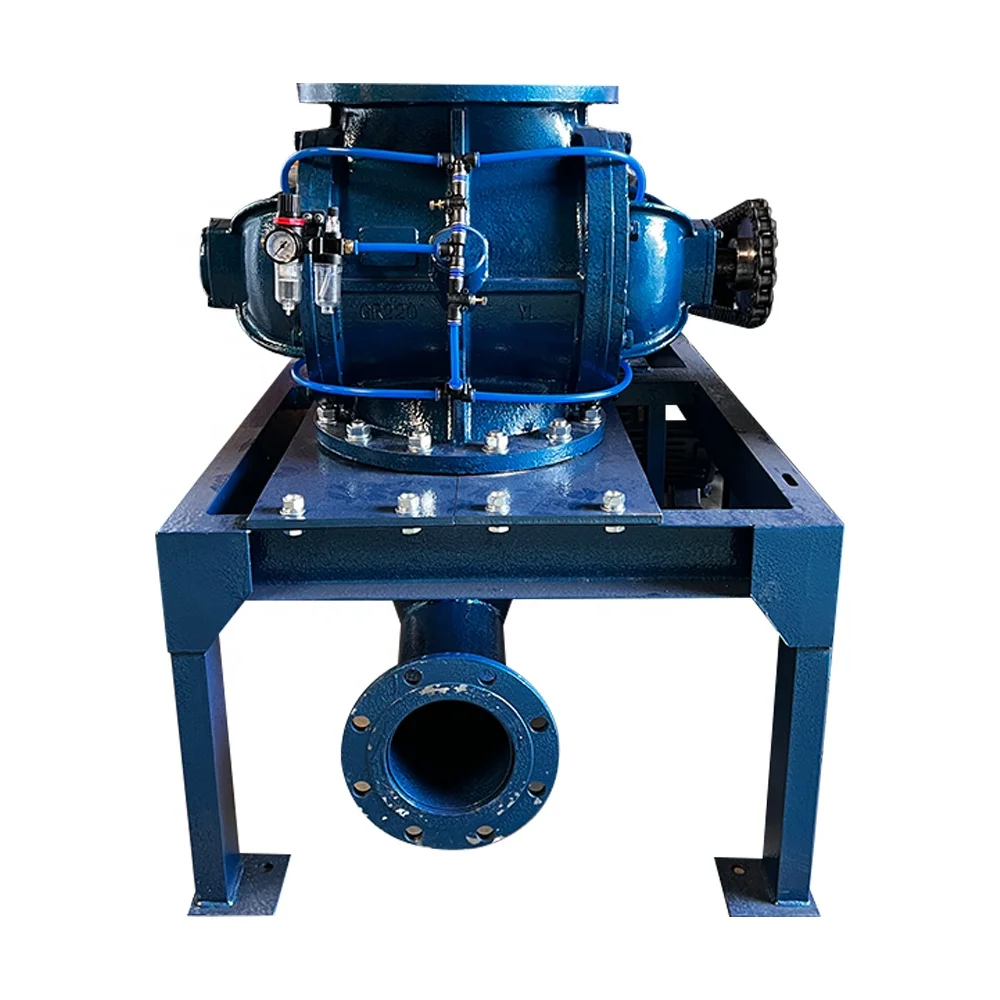
Procurement specialists across industrial sectors increasingly favor rotary lobe blower technology for new projects, and this trend reflects a deeper understanding of operational efficiency and long-term cost management. These specialists recognize that selecting the right blower technology directly impacts project reliability, maintenance budgets, and overall system performance. The decision to specify a rotary lobe blower for critical applications stems from proven advantages in handling viscous materials, maintaining consistent pressure delivery, and delivering predictable performance under demanding industrial conditions.
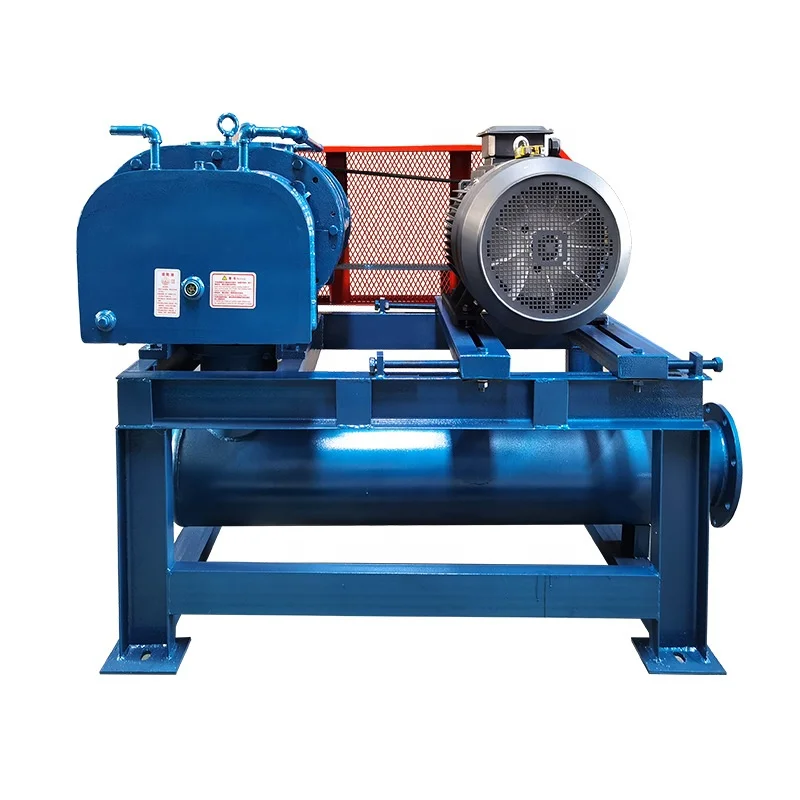
The choice reflects both technical merit and strategic procurement logic. When comparing rotary lobe blower vs centrifugal blower comparison scenarios, procurement teams discover that rotary lobe technology excels in positive displacement applications where flow consistency and pressure stability matter most. Understanding the specific advantages of rotary lobe blower maintenance and troubleshooting processes helps teams plan resource allocation, spare parts inventory, and preventive maintenance schedules with greater accuracy. This comprehensive evaluation transforms blower selection from a simple specification decision into a strategic procurement advantage.
Reliability and Operational Consistency
Why Positive Displacement Matters in Industrial Settings
Procurement specialists understand that positive displacement blower applications demand equipment that delivers consistent volumetric flow regardless of downstream pressure fluctuations. A rotary lobe blower maintains fixed displacement per revolution, meaning the air or gas volume pumped remains constant regardless of system conditions. This characteristic proves invaluable in conveying applications where material transport consistency directly affects product quality and system efficiency. Unlike centrifugal designs that deliver variable flow based on pressure differentials, positive displacement blower applications benefit from the predictable performance envelope that rotary lobe technology provides, allowing precise process control and reduced downstream variability.
When material handling requirements demand uninterrupted flow or precise volumetric measurement, rotary lobe blower technology addresses these operational needs more effectively than alternative designs. The sealed compression chambers ensure that flow remains constant across the operating range, making rotary lobe blower specifications ideal for pneumatic conveying systems, vacuum applications, and pressure-controlled processes. Procurement teams recognize this reliability translates to fewer process interruptions, reduced quality variation, and more predictable production outcomes that justify the equipment investment and operational complexity.
Handling Viscous and Challenging Media
Industrial applications frequently encounter fluids and gases with challenging characteristics—high viscosity, particulate contamination, or temperature extremes. A rotary lobe blower performs reliably when handling these demanding media because the rotors don't contact gas directly and maintain consistent displacement regardless of fluid properties. This capacity makes rotary lobe blower technology preferred for applications involving cement dust, grain conveying, and other challenging materials where centrifugal designs struggle with efficiency loss or premature wear. Procurement specialists specify rotary lobe technology when application requirements include abrasive materials or corrosive gases, recognizing that the robust design tolerates these conditions better than competing alternatives.
Maintenance Accessibility and Cost Control
Streamlined Rotary Lobe Blower Maintenance and Troubleshooting
Effective maintenance planning separates strategic procurement decisions from poor equipment choices. Rotary lobe blower maintenance and troubleshooting processes follow predictable patterns because the equipment design is mechanically straightforward compared to centrifugal or other complex technologies. Major components—rotors, bearings, seals—are accessible and standardized across manufacturers, meaning spare parts remain available and maintenance staff can complete repairs efficiently without specialized training. Procurement teams factor these accessibility advantages into total cost of ownership calculations, recognizing that faster repairs and readily available parts reduce operational downtime costs beyond initial capital expenditure.
Troubleshooting a rotary lobe blower typically requires fewer diagnostic steps because the positive displacement principle creates predictable failure modes. When performance degrades, maintenance teams can systematically check rotors, seals, and bearings—straightforward inspections compared to diagnosing centrifugal blade issues or complex internal aerodynamic problems. This straightforward maintenance reality appeals to procurement specialists managing multi-facility operations, as training technicians across locations becomes simpler and maintenance procedures remain consistent regardless of facility location. Rotary lobe blower maintenance and troubleshooting becomes part of standard industrial practice rather than requiring specialized expertise.
Spare Parts Availability and Supply Chain Efficiency
Supply chain reliability directly impacts procurement decisions, and rotary lobe blower technology benefits from standardized components and established supplier networks. Rotor sets, bearing assemblies, and seal kits follow industry standards that multiple manufacturers support, meaning procurement teams avoid sole-source dependencies that create supply chain vulnerability. This standardization allows forward planning, enabling maintenance teams to stock critical spare parts and reduce emergency acquisition costs. Positive displacement blower applications across numerous industries—pneumatic conveying, vacuum systems, environmental equipment—create sustained market demand that keeps spare parts readily available and competitively priced.
Procurement specialists appreciate this supply chain resilience because it protects long-term operational budgets from unexpected supply disruptions or price volatility. When rotary lobe blower maintenance requires spare parts, teams typically source components quickly from multiple qualified suppliers rather than waiting for manufacturer-specific parts or expensive expedited shipping. This market abundance reflects the technology's widespread industrial adoption and makes rotary lobe blower specifications attractive for organizations prioritizing supply chain stability alongside equipment performance.
Performance Versus Alternative Technologies
Rotary Lobe Blower vs Centrifugal Blower Comparison Framework
Direct technology comparison clarifies why procurement specialists choose rotary lobe blower equipment for specific applications. Centrifugal blowers excel at high-speed applications requiring large air volumes at relatively low pressure, operating efficiently at high rotational speeds where aerodynamic design dominates. However, rotary lobe blower vs centrifugal blower comparison reveals that rotary lobe technology outperforms in low-speed, high-torque applications where pressure stability matters more than maximum volumetric throughput. Procurement teams select rotary lobe designs when application requirements emphasize flow consistency, turndown capability, or operation across variable load conditions that centrifugal designs struggle to accommodate efficiently.
The operational envelope distinctly separates these technologies. A rotary lobe blower maintains constant flow across its operating range with pressure rising to meet system demands, while centrifugal designs deliver variable flow as system pressure changes. For positive displacement blower applications requiring precise flow control or feeding into fixed-volume systems, rotary lobe technology delivers superior performance. Procurement specialists recognize that rotary lobe blower vs centrifugal blower comparison results in different winner profiles depending on application specifics—high-speed, high-volume, low-pressure applications favor centrifugal technology, while controlled-flow and variable-pressure environments favor rotary lobe designs.
Long-Term Value and Strategic Advantages
Procurement decisions extend beyond equipment acquisition into lifecycle value analysis. Rotary lobe blower technology delivers long operational life with predictable maintenance intervals, allowing procurement teams to forecast total cost of ownership accurately over equipment lifetime. The straightforward mechanical design means fewer catastrophic failures compared to more complex alternatives, and rotary lobe blower maintenance and troubleshooting typically involves routine inspection rather than extensive diagnostics. This predictability allows procurement specialists to make justified long-term equipment specifications that satisfy executive cost management requirements while ensuring operational reliability.
Strategic procurement advantages extend to application flexibility. Positive displacement blower applications frequently require future modifications or expansion, and rotary lobe technology accommodates these changes through straightforward design adjustments without fundamental performance limitations. Procurement teams value this adaptability because industrial operations evolve over time, and equipment flexibility reduces future replacement costs and extends equipment value beyond initial application parameters. This strategic perspective explains why procurement specialists increasingly favor rotary lobe blower specifications despite higher initial cost in some scenarios—the long-term operational advantages and flexibility justify the investment.
FAQ
What distinguishes positive displacement blower applications from other pressure applications?
Positive displacement blower applications deliver constant volumetric flow regardless of system pressure changes, making them ideal for pneumatic conveying, vacuum systems, and applications requiring precise flow control. Unlike centrifugal designs where flow varies with pressure, positive displacement blower applications maintain fixed displacement per operating cycle, allowing predictable system behavior and simpler process control. This fundamental characteristic makes rotary lobe blower technology particularly valuable when material consistency or volumetric accuracy directly impacts product quality or system efficiency.
How does rotary lobe blower maintenance and troubleshooting differ from centrifugal equipment maintenance?
Rotary lobe blower maintenance and troubleshooting follows straightforward mechanical inspection procedures because the positive displacement principle creates predictable failure modes and standardized components. Maintenance typically involves rotor inspection, bearing condition assessment, and seal replacement—accessible procedures that facility technicians can complete without specialized training. Centrifugal equipment maintenance often requires detailed aerodynamic analysis and complex diagnostics when performance degrades, making rotary lobe blower maintenance and troubleshooting significantly more efficient and cost-effective for maintenance teams managing multiple facilities.
When should procurement specialists choose rotary lobe blower versus centrifugal blower technology?
Rotary lobe blower vs centrifugal blower comparison reveals that rotary lobe technology excels in applications requiring flow consistency across varying pressure conditions, such as material conveying, vacuum systems, or fixed-volume applications. Centrifugal designs perform better in high-speed, high-volume, low-pressure applications where aerodynamic efficiency dominates. Procurement specialists select rotary lobe blower technology when application requirements emphasize pressure stability, flow predictability, and maintenance accessibility, while centrifugal equipment becomes the logical choice for maximum volumetric throughput at stable pressure conditions.
Table of Contents
- Reliability and Operational Consistency
- Maintenance Accessibility and Cost Control
- Performance Versus Alternative Technologies
-
FAQ
- What distinguishes positive displacement blower applications from other pressure applications?
- How does rotary lobe blower maintenance and troubleshooting differ from centrifugal equipment maintenance?
- When should procurement specialists choose rotary lobe blower versus centrifugal blower technology?