
 EN
EN
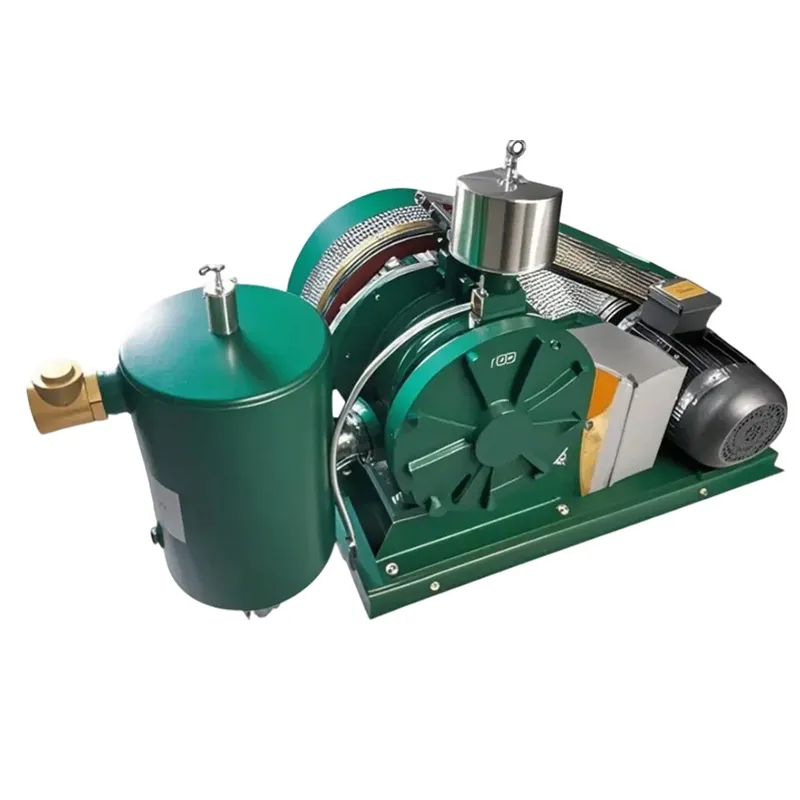
Choosing the right air moving equipment requires understanding where different technologies excel. Positive displacement blowers are engineered to deliver consistent flow regardless of system resistance, making them ideal for specific industrial applications where reliability and steady performance are non-negotiable requirements.
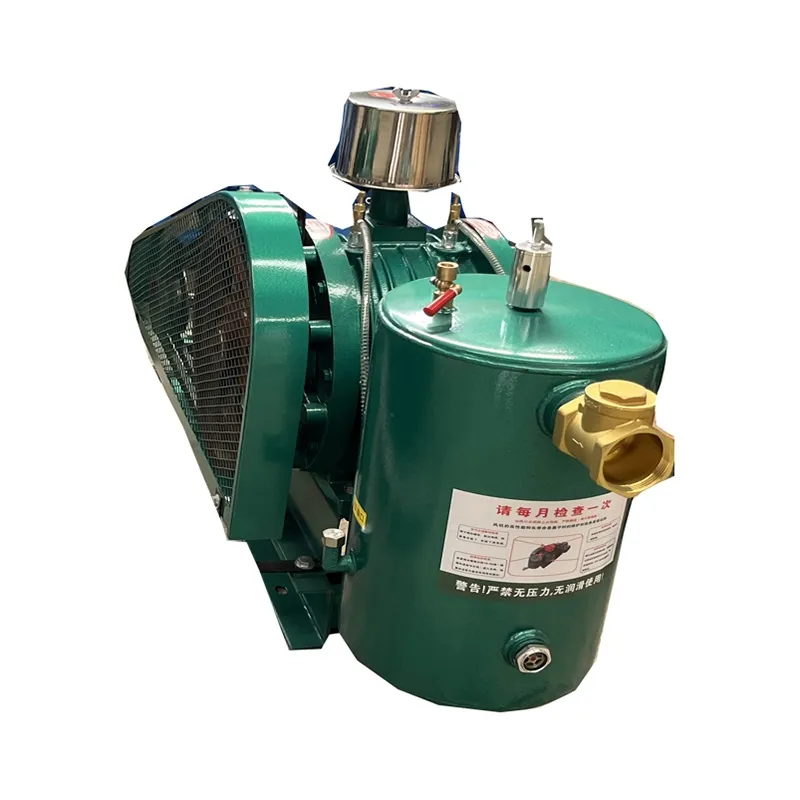
Operating environments vary dramatically across industries, from wastewater treatment plants to pneumatic conveying systems to industrial processing facilities. Understanding which environments best suit positive displacement blower technology helps engineers and facility managers select equipment that will perform reliably for years while minimizing downtime and maintenance costs. This guide explores the optimal operating conditions, environmental factors, and application scenarios where positive displacement blowers deliver superior results.
Understanding Rotary Lobe Blower Applications in High-Resistance Systems
Steady Flow Delivery Across Varying Pressure Conditions
Rotary lobe blower applications thrive in environments where system pressure fluctuates or remains consistently elevated. Unlike centrifugal blowers that slow down as system resistance increases, positive displacement blowers maintain volumetric flow output regardless of backpressure. This characteristic makes them essential in wastewater aeration, where diffuser fouling gradually increases system resistance, or in pneumatic conveying, where product buildup creates variable loading throughout the process cycle.
Industrial environments requiring reliable, constant airflow benefit significantly from this performance characteristic. Sewage treatment facilities depend on rotary lobe blower applications to maintain oxygen transfer efficiency even as biosolids accumulate in clarifiers and basins. Food processing plants use positive displacement blowers to convey flour, starch, and other powders through complex piping networks where frictional losses would compromise flow delivery from centrifugal equipment.
Low-Speed, High-Torque Operating Profiles
Environments that demand low-speed operation without excessive heat generation favor positive displacement blower technology. The rotary design with intermeshing rotors creates gentle, pulsating flow that operates efficiently at reduced speeds. This operating profile prevents the high discharge temperatures associated with centrifugal machines running in high-resistance applications, extending equipment lifespan and reducing cooling requirements in plant rooms where thermal load is already significant.
Positive Displacement Blower Sizing and Selection for Specific Industrial Contexts
Matching Capacity Requirements to Facility Demands
Positive displacement blower sizing and selection begins with precise quantification of volumetric flow needs at anticipated operating pressure. Wastewater treatment plants calculate aeration requirements based on biochemical oxygen demand loading and basin volume, then specify positive displacement blower equipment rated for continuous operation at those exact flow and pressure parameters. Pneumatic conveying applications require sizing calculations accounting for pipeline length, conveyed material density, acceleration requirements, and friction losses at full production capacity.
Environmental factors including ambient temperature, humidity, inlet air quality, and expected operating hours annually influence sizing decisions for positive displacement blowers. Facilities operating in high-dust environments need larger units to compensate for air filter pressure drop, or they require more frequent filter maintenance. Applications in tropical climates with humidity above seventy percent demand materials resistant to moisture-induced corrosion and may require enhanced cooling provisions for motor longevity.
Environmental Constraints on Equipment Selection
Industrial environments with noise sensitivity require special attention during positive displacement blower sizing and selection. Rotary designs inherently produce more audible noise than centrifugal machines due to the direct mechanical flow generation. Facilities located near residential areas or occupying urban industrial zones must specify units with integral silencers or plan for external muffler installation. Material selection becomes critical in chemical processing environments where corrosive vapors exist; standard cast iron rotors may require polymer or stainless steel upgrades.
Positive Displacement Blower Maintenance and Troubleshooting Across Diverse Operating Environments
Preventive Maintenance Protocols for Environmental Extremes
Positive displacement blower maintenance and troubleshooting strategies must account for the specific environmental stressors present at each installation. High-temperature applications such as foundry dust collection require more frequent bearing inspections and coolant changes than standard industrial facilities. Facilities operating positive displacement blowers in sandy, dusty, or humid environments need inlet filter maintenance schedules adjusted accordingly, potentially changing elements weekly rather than quarterly to maintain pressure drop within acceptable limits.
Lubrication becomes environmentally dependent; wastewater treatment applications generate hydrogen sulfide and corrosive gases that degrade standard mineral oils faster than neutral industrial environments. Specified maintenance intervals for positive displacement blower maintenance and troubleshooting must increase by fifty percent or more in these aggressive chemical environments. Temperature monitoring becomes equally critical, as sustained discharge temperatures above recommended limits accelerate seal degradation and bearing wear.
Diagnosing Performance Degradation in Variable Operating Conditions
When positive displacement blower maintenance and troubleshooting efforts begin, environmental context proves essential for accurate root cause identification. A sudden flow reduction in a wastewater aeration system typically stems from air filter clogging or diffuser scaling rather than internal mechanical wear. Conversely, gradually declining performance over months likely indicates rotor surface wear from abrasive particles ingested despite filtration, a concern particularly serious in pneumatic conveying applications handling silica-bearing products.
Vibration and noise changes provide crucial diagnostic clues about environmental impact. Increased bearing noise in humid environments signals possible corrosion on bearing races. Temperature spikes following seasonal atmospheric changes often indicate inlet cooling effectiveness has diminished, requiring radiator cleaning or fan adjustment. Discharge pressure creep over operating hours suggests internal leakage increase due to rotor wear, while stable pressure with declining flow typically points to inlet restrictions or filter system deterioration rather than mechanical component failures.
FAQ
What environmental factors most strongly influence positive displacement blower performance?
System backpressure, inlet air temperature, ambient humidity, and incoming air quality represent the primary environmental factors affecting positive displacement blower performance. Backpressure determines actual discharge pressure and energy consumption; positive displacement blowers deliver constant flow regardless of resistance but require proportionally more motor power as system resistance increases. Inlet air temperature directly affects volumetric expansion; a facility experiencing seasonal temperature swings from forty to ninety degrees Fahrenheit will observe corresponding flow variations. High humidity and contaminated inlet air accelerate filter clogging and component corrosion, necessitating more aggressive maintenance.
Can positive displacement blowers operate reliably in outdoor or partially exposed environments?
Yes, positive displacement blowers can operate in outdoor installations with appropriate protective measures including weather-resistant motor enclosures, stainless steel construction where corrosion risk exists, and intake filtration rated for local dust loading. Many wastewater treatment facilities operate blowers on rooftop installations successfully, though seasonal weather extremes may require thermal management adjustments and more frequent maintenance cycles. Exposure to direct sunlight requires reflective paint or shading to prevent excessive motor case temperatures that would reduce motor insulation lifespan and increase cooling demands.
How does the operating environment affect positive displacement blower sizing and selection decisions?
Environmental context fundamentally shapes sizing and selection because altitude, atmospheric temperature extremes, inlet air contamination levels, and duty cycle intensity all influence the required equipment capacity and material specifications. High-altitude facilities must account for reduced air density when sizing positive displacement blower displacement volume to deliver required mass flow. Facilities with extended peak-load seasons require larger reserve capacity built into equipment selection than those with consistent moderate loading. Chemical environments demand material upgrades that increase cost but prevent premature corrosion failures.