
 EN
EN
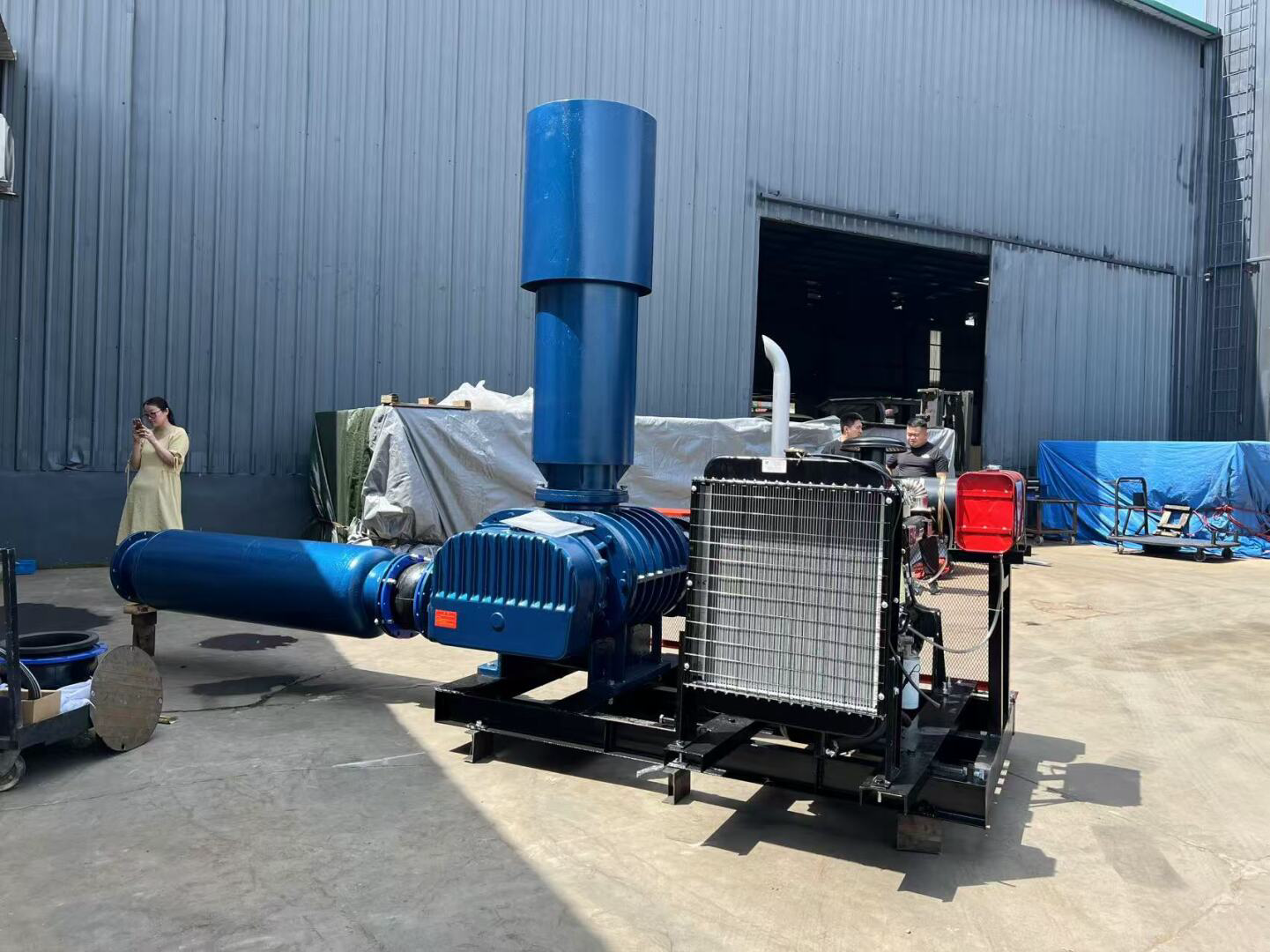
Selecting the right roots blower for sale requires careful evaluation of multiple technical and operational factors. Industrial air compressor applications vary widely across sectors, and choosing an inappropriate unit can result in inefficiency, premature failure, and unexpected costs. Before making a purchase decision, you must understand the specific performance requirements, design characteristics, and long-term maintenance implications of positive displacement blower specifications that match your operational needs.
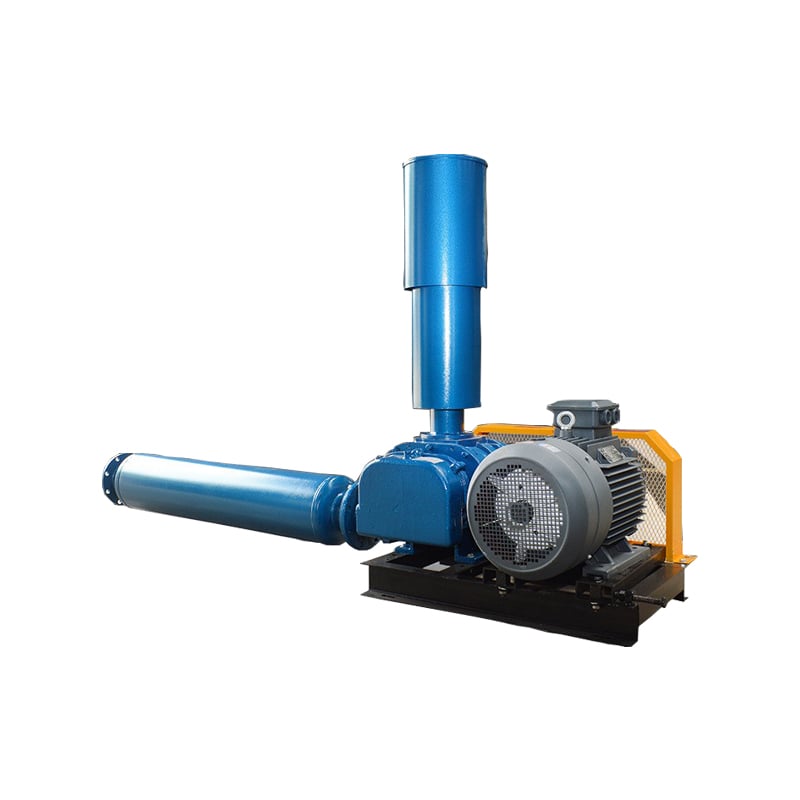
Roots blowers serve critical roles in wastewater treatment, pneumatic conveying, industrial aeration, and vacuum applications. The purchase decision should not be rushed or based solely on price. Understanding the technical landscape of positive displacement blower specifications, industrial air compressor applications, and rotary blower maintenance and repair requirements will help you invest in equipment that delivers reliable performance and operational value over years of service.
Understanding Positive Displacement Blower Specifications
Flow Rate and Pressure Requirements
The foundation of any roots blower purchase is matching the positive displacement blower specifications to your exact application demands. Flow rate, measured in cubic feet per minute (CFM), represents the volume of air the blower can move at a given pressure. Industrial air compressor applications require precise calculation of your actual demand, factoring in peak usage, seasonal variations, and future growth. Undersizing results in inadequate performance; oversizing wastes energy and capital. Verify the pressure rating in pounds per square inch (PSI) against your system requirements, as positive displacement blower specifications typically indicate maximum operating pressure.
Temperature and Environmental Factors
Environmental conditions significantly influence positive displacement blower specifications and operational longevity. Inlet air temperature, ambient operating temperature, and the nature of gases being handled all affect performance curves and efficiency. Roots blowers designed for clean, dry air may fail rapidly if exposed to moisture, dust, or corrosive vapors. Review the material composition, bearing types, and seal designs within positive displacement blower specifications to confirm compatibility with your specific industrial air compressor applications. High-temperature or corrosive environments demand specialized rotary blower designs with enhanced coatings and thermal management.
Evaluating Industrial Air Compressor Applications and Fit
Application-Specific Performance Demands
Different industrial air compressor applications impose distinct operational stresses on roots blower equipment. Wastewater aeration requires sustained, consistent flow over extended periods, whereas pneumatic conveying may involve intermittent, high-pressure pulses. Vacuum applications demand different seal configurations than pressure applications. Before selecting a roots blower for sale, document your specific industrial air compressor applications in detail. Consult application datasheets provided by manufacturers to verify that positive displacement blower specifications align with your duty cycle, runtime expectations, and performance boundaries. Mismatched equipment will underperform, generate excessive heat, and require premature rotary blower maintenance and repair.
Noise and Vibration Considerations
Noise and vibration output directly impact operational environment and facility costs. Industrial air compressor applications in urban or noise-sensitive settings require blowers with sound-dampening features. Positive displacement blower specifications should include decibel ratings and vibration data. Roots blowers with optimized lobe design and precision manufacturing produce lower noise levels. Mounting systems, isolation pads, and discharge silencers affect real-world noise performance. If rotary blower maintenance and repair work will occur on-site, excessive vibration accelerates bearing wear and mechanical failure. Evaluate baseline noise profiles and long-term acoustic impact when comparing candidates.
Assessing Rotary Blower Maintenance and Repair Requirements
Parts Availability and Service Support
Long-term operating costs depend heavily on rotary blower maintenance and repair accessibility and expense. Before purchasing a roots blower for sale, confirm that replacement parts, seal kits, bearing assemblies, and fasteners are readily available. Establish relationships with authorized service providers in your region who understand the specific positive displacement blower specifications of your chosen model. Some manufacturers maintain robust distribution networks and quick-response support; others may require extended lead times or special ordering. Downtime costs in industrial settings often exceed the price of emergency service calls, making vendor support reliability a critical purchase factor.
Preventive Maintenance Protocols
Effective rotary blower maintenance and repair practices begin before installation. Review the manufacturer's recommended maintenance schedule, including oil changes, filter replacements, bearing inspections, and seal examinations. Some positive displacement blower specifications incorporate integral oil systems requiring periodic servicing, while others use grease-sealed bearings with different maintenance intervals. Industrial air compressor applications operating in demanding environments—high dust, extreme temperatures, or continuous duty—require accelerated maintenance cycles. Document maintenance costs and intervals when evaluating a roots blower for sale. Neglecting preventive care results in catastrophic failures, extended downtime, and replacement equipment costs that far exceed routine service investment.
Technical Specifications and Compatibility Verification
Motor and Drive Configuration
The motor and drive system must integrate seamlessly with existing infrastructure. Positive displacement blower specifications include motor horsepower, electrical supply requirements (single-phase or three-phase), and voltage ratings. Confirm that your facility electrical capacity supports the motor startup current and continuous load. Direct-drive, belt-drive, and variable-frequency drive (VFD) options each present different efficiency profiles and installation complexity. When evaluating industrial air compressor applications, VFD-equipped systems offer energy savings and operational flexibility, though they increase upfront cost. Ensure that your facility can accommodate the selected drive configuration and that spare drive components are obtainable for rotary blower maintenance and repair purposes.
Coupling and Installation Specifications
Proper coupling between motor and blower ensures efficient power transmission and minimizes vibration. Positive displacement blower specifications detail coupling type, alignment tolerances, and installation requirements. Flexible couplings accommodate minor misalignment and dampen shock loads, reducing stress on bearings and seals. Rigid couplings demand precise alignment, requiring professional installation to avoid premature bearing failure. When planning rotary blower maintenance and repair schedules, note that misaligned couplings accelerate wear on both the coupling itself and connected components. Verify that your facility has access to alignment tools and trained technicians, or factor professional installation costs into your roots blower for sale purchase decision.
FAQ
What positive displacement blower specifications matter most for my industrial application?
Flow rate and pressure rating are paramount, but equally important are material compatibility, temperature tolerance, and duty cycle alignment. Review the positive displacement blower specifications datasheet alongside your application requirements, and request performance curves at your specific operating point. Verify that the blower meets not only current demand but anticipated future growth within the rated specifications.
How often should rotary blower maintenance and repair occur?
Maintenance frequency depends on the specific model, operating environment, and duty cycle. Most manufacturers recommend oil changes every 500–2,000 operating hours for oil-lubricated positive displacement blower specifications, with annual bearing and seal inspections for industrial air compressor applications. Continuous-duty systems in harsh environments require more frequent rotary blower maintenance and repair attention. Consult the manufacturer's manual and adjust schedules based on your facility's actual operating conditions and inspection findings.
Can I retrofit an existing roots blower for sale into my current system without modifications?
Retrofitting depends on mechanical compatibility, electrical infrastructure, and positive displacement blower specifications alignment. Confirm that mounting footprints, coupling connections, and electrical requirements match your facility capabilities. Industrial air compressor applications may require ductwork, piping, or coupling modifications. Budget for professional assessment and installation to ensure rotary blower maintenance and repair accessibility and optimal performance integration.