
 EN
EN
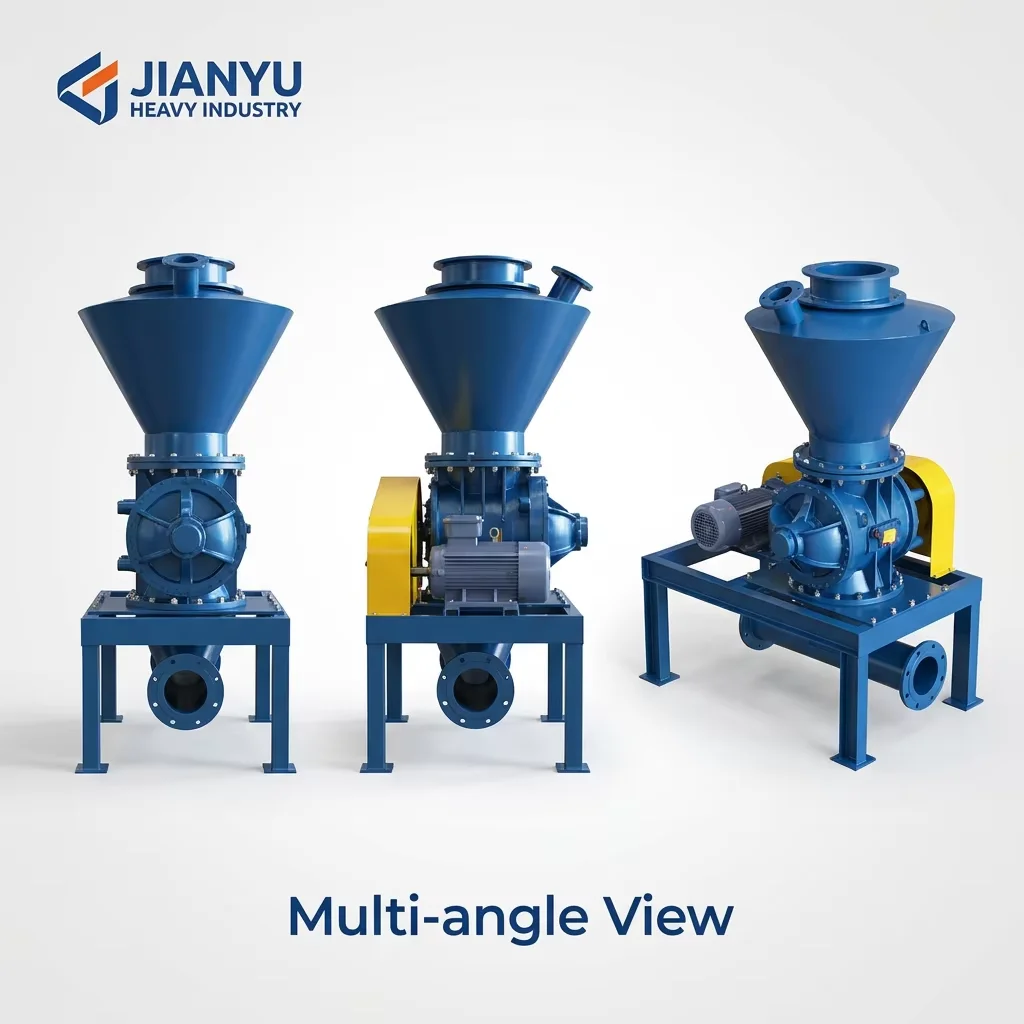
Installing a rotary lobe blower requires careful planning and attention to detail, as improper setup can lead to equipment failure, inefficiency, and safety hazards. Many industrial operators underestimate the complexity of deployment and overlook critical risk factors that directly impact long-term performance and operational cost. Understanding these installation pitfalls is essential before you commit to this powerful positive displacement blower technology in your facility.
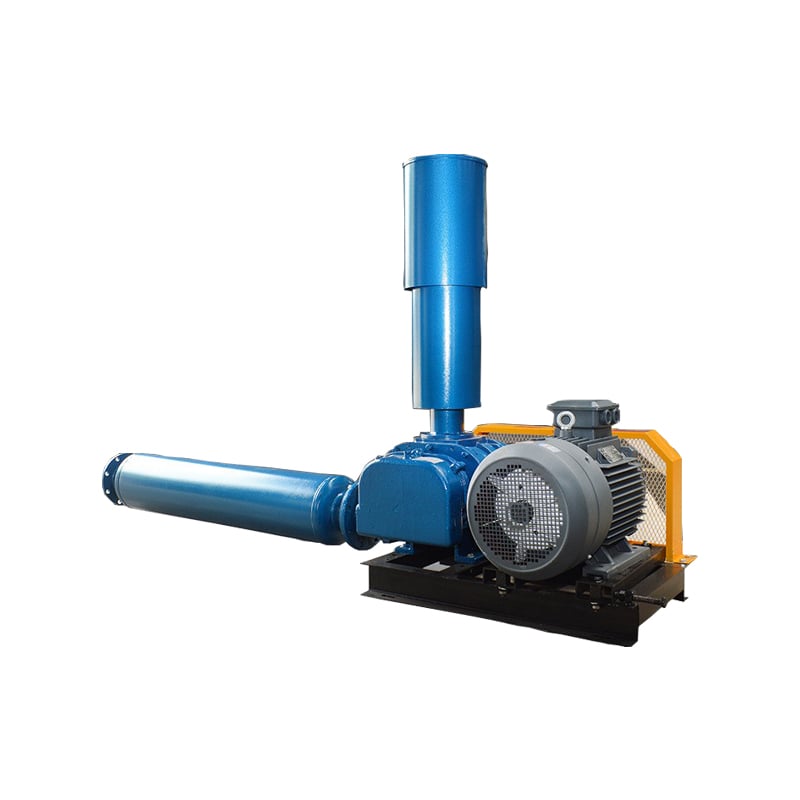
The stakes are high because a rotary lobe blower operates at high speeds and pressures, making every installation decision consequential. Proper understanding of common mistakes during setup can save thousands in repairs, downtime, and replacement costs. This guide walks you through the major installation risks and how to mitigate them effectively.
Mechanical Alignment and Foundation Issues
Critical Alignment Requirements
Misalignment is one of the most common installation failures with positive displacement blower applications. Even a small deviation between the motor and blower shaft creates uneven forces that accelerate wear on bearings and internal components. The coupling must be precisely centered to distribute torque uniformly, and any deviation compounds stress over thousands of operating hours.
Foundation instability amplifies alignment problems dramatically. A weak or improperly leveled base allows vibration to propagate throughout the system, damaging mounting bolts and surrounding equipment. Many operators rush through foundation preparation, but this step is non-negotiable for safe, efficient rotary lobe blower performance in industrial environments.
Vibration Control and Installation Surface
The installation surface must be concrete, steel, or rigid material capable of absorbing vibration without deflection. Soft or cracked surfaces fail to provide stable support, leading to micro-movements that loosen fasteners and create safety risks. Vibration isolation pads are often necessary, especially in sensitive facilities where equipment operates continuously.
Inadequate vibration management also impacts rotary lobe blower noise reduction efforts. Without proper damping at the source, noise travels through the foundation into walls and adjacent spaces, requiring expensive remediation later. Strategic placement of isolation mounts during initial installation prevents cascading problems and protects operator comfort.
Intake, Discharge, and Piping Configuration
Proper Ductwork Design
Restrictive intake and discharge piping creates back-pressure that forces the blower to work harder, reducing efficiency and accelerating component wear. Many installers undersize ducts or create sharp bends that impede airflow and generate excessive noise. Rotary blower maintenance and troubleshooting frequently trace back to poor ductwork design that was never corrected during setup.
Inlet filters must be accessible and properly sized to prevent clogging that compounds pressure drops. A dirty or undersized filter forces the blower to draw harder, compromising performance in positive displacement blower applications. Installation planning must include clear access to filter replacement locations to support ongoing maintenance without system shutdown complications.
Discharge Line Considerations
Relief valve placement and setting are critical safety elements that many installers neglect. Without proper relief protection, internal pressure can build to dangerous levels during operation, risking seal failure and catastrophic blower damage. Every rotary lobe blower installation must include a calibrated relief valve set to the manufacturer's specifications.
Moisture accumulation in discharge lines creates corrosion and ice formation that restricts flow and damages internal passages. Installation should include drainage points and moisture traps in strategic locations, especially in humid or cold environments. Poor attention to discharge line management during setup guarantees expensive rotary blower maintenance and troubleshooting calls later.
Lubrication, Sealing, and Environmental Protection
Oil Level and Contamination Control
Insufficient or wrong-grade lubricant causes rapid bearing wear and seal degradation in rotary lobe blower systems. Many new operators fail to check oil levels before startup or use inappropriate synthetic alternatives that don't match manufacturer specifications. Contaminated oil introduces particles that accelerate internal damage, making pre-operation fluid inspection non-negotiable.
Environmental factors like dust, salt, or chemical exposure accelerate seal wear and require specialized sealing solutions during installation. Standard seals may not survive in harsh industrial environments, necessitating upgraded options specified by the manufacturer. Ignoring environmental demands creates recurring seal failures that drive rotary blower maintenance and troubleshooting costs upward continuously.
Temperature Management and Cooling
Heat dissipation is a fundamental requirement that many installations overlook, especially in positive displacement blower applications operating under high pressure or continuous duty cycles. Inadequate cooling allows internal temperatures to exceed safe limits, degrading seals and reducing lubricant viscosity. Installation must ensure sufficient airflow around the blower housing or provide active cooling solutions where ambient conditions demand it.
Poor ventilation in the installation space compounds temperature issues and creates safety hazards for personnel working nearby. Blower noise reduction and thermal management are interconnected, as overheating contributes to mechanical stress that amplifies operating noise. Strategic placement in well-ventilated areas during installation prevents performance degradation and extends component lifespan significantly.
FAQ
What are the most common installation mistakes with a rotary lobe blower?
The most frequent errors include misalignment between motor and blower, inadequate foundation preparation, undersized or poorly configured ductwork, and failure to set relief valves correctly. Many operators also neglect baseline lubrication checks and ignore environmental sealing requirements specific to their operating conditions. These mistakes typically appear within the first weeks of operation, causing noise, vibration, or reduced performance that could have been prevented during careful installation planning.
How does foundation quality affect rotary lobe blower performance?
A weak foundation allows excessive vibration that stresses bearings, loosens fasteners, and propagates noise throughout the facility. Proper foundation installation includes level concrete with isolation mounts designed for the blower's weight and operating frequency. Strong foundations reduce wear rates, minimize rotary lobe blower noise reduction requirements, and improve positive displacement blower applications reliability across industrial environments.
What role does rotary blower maintenance and troubleshooting play in preventing installation failures?
Comprehensive post-installation commissioning and baseline maintenance protocols catch problems early before they become catastrophic. Starting with proper oil level verification, relief valve testing, and vibration baseline measurements establishes healthy operating conditions and identifies installation shortcomings immediately. Regular rotary blower maintenance and troubleshooting based on manufacturer recommendations prevents minor setup oversights from developing into expensive repairs.