
 EN
EN
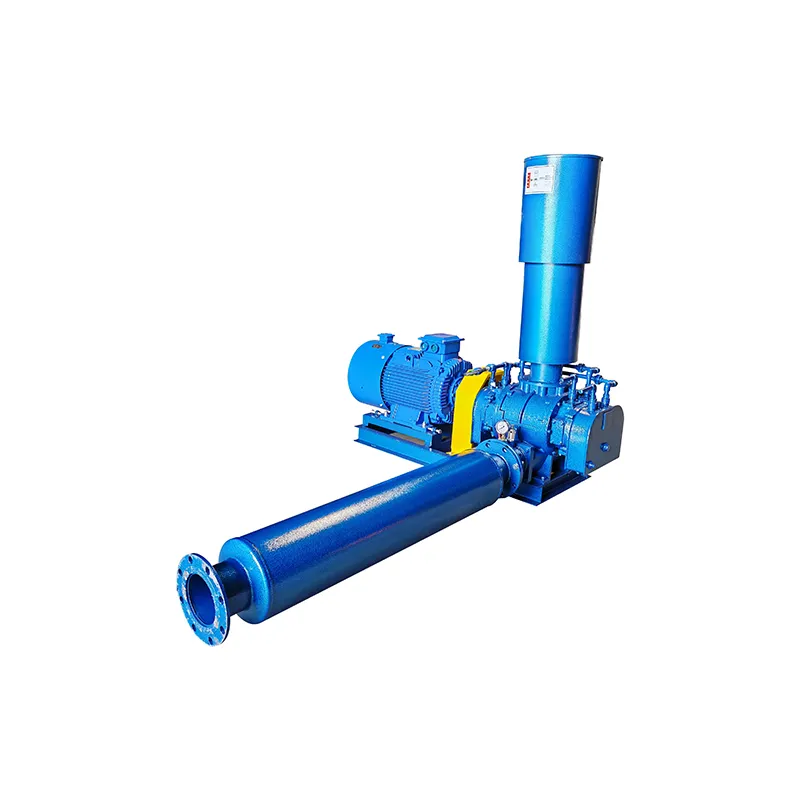
A turbo air blower has become an essential tool across multiple industrial sectors, delivering powerful air movement and pressure capabilities that traditional equipment cannot match. These advanced systems combine efficiency, reliability, and performance to address critical operational needs in manufacturing, food processing, wastewater treatment, and numerous other fields. Understanding which industries benefit most from turbo air blower technology helps facility managers and engineers make informed investments in their compressed air infrastructure.
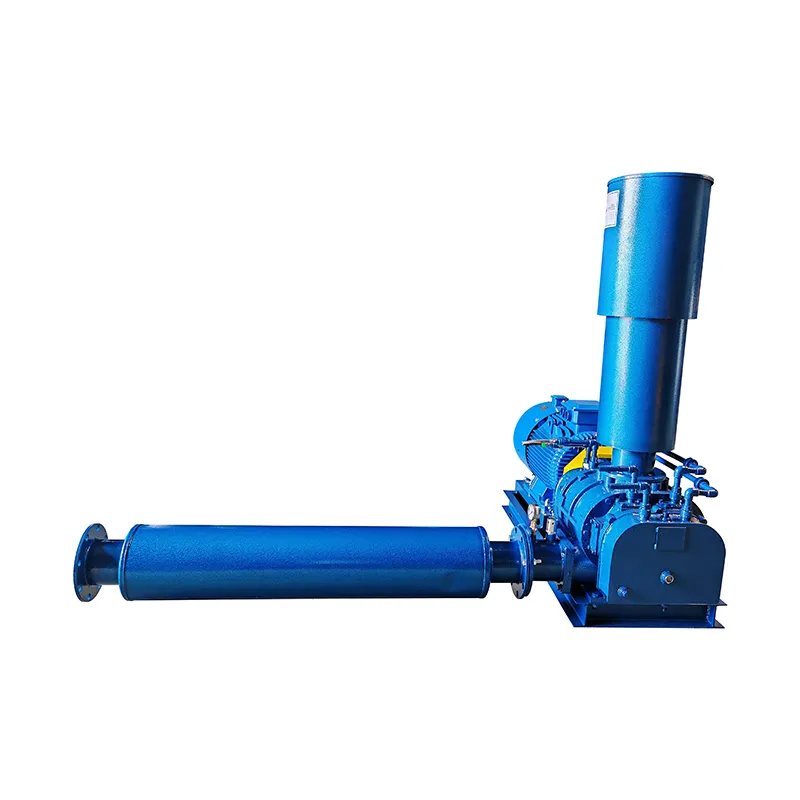
The demand for high-pressure air compressor systems continues to grow as industries seek ways to optimize production while reducing energy consumption and operational downtime. Centrifugal blower motor specifications have evolved significantly, enabling equipment designers to create more compact and powerful solutions. When paired with appropriate industrial ventilation equipment performance standards, a high-pressure air compressor system becomes not just a utility component but a strategic competitive advantage.
Manufacturing and Production Sectors
Pneumatic Conveying Systems
Manufacturing facilities that rely on pneumatic conveying depend heavily on centrifugal blower motor specifications to move bulk materials efficiently through piping systems. Turbo air blower technology excels in this application because it maintains consistent pressure while consuming less energy than traditional rotary screw compressors. Industries producing pharmaceuticals, chemicals, cement, and plastics all benefit from the precision and reliability that high-pressure air compressor systems provide when handling sensitive or abrasive materials.
Metal Fabrication and Machining
Metal fabrication shops and precision machining centers require robust industrial ventilation equipment performance to remove cutting oils, coolants, and metal fines from the work environment. Turbo air blower systems excel at creating negative pressure environments that safely extract hazardous fumes and particulates. The centrifugal blower motor specifications in modern designs ensure that facilities maintain OSHA-compliant air quality standards while sustaining continuous production schedules without operational interruptions or costly cleandowns.
Food and Beverage Processing
Aeration and Mixing Applications
Food processing plants utilize high-pressure air compressor systems for applications ranging from dough aeration in bakeries to fermentation control in breweries. Turbo air blower equipment delivers the precise air volumes and pressures needed to achieve consistent product quality while maintaining sanitary conditions. The gentle, consistent air delivery from centrifugal blower motor specifications prevents product degradation and ensures uniform processing throughout production runs, making this technology invaluable for premium product manufacturers.
Packaging and Preservation
Modified atmosphere packaging and controlled environment storage systems depend on reliable industrial ventilation equipment performance to maintain product freshness and shelf life. Turbo air blower systems can rapidly replace or adjust atmospheric composition in sealed environments, enabling food companies to extend product viability. The energy efficiency of these high-pressure air compressor systems translates directly to lower operational costs while maintaining the precision gas ratios that premium food products demand.
Environmental and Water Treatment
Wastewater Aeration
Municipal and industrial wastewater treatment facilities represent one of the largest applications for turbo air blower technology. These facilities require enormous volumes of air at consistent pressures to support biological treatment processes that break down organic contaminants. Centrifugal blower motor specifications in modern wastewater equipment are specifically engineered to maximize oxygen transfer efficiency while minimizing energy consumption, which directly impacts treatment facility operating budgets and environmental compliance costs.
Air Quality and Dust Control
Industrial facilities generating dust, sawdust, grain, or textile fibers depend on high-pressure air compressor systems to power collection and filtration equipment. Turbo air blower systems create the sustained airflow needed to capture particulates before they enter the general facility environment, protecting worker health and maintaining equipment longevity. Proper industrial ventilation equipment performance in these applications prevents expensive shutdowns caused by dust accumulation in machinery and ensures regulatory compliance with air quality standards.
FAQ
Which industries see the greatest ROI from turbo air blower investments?
Wastewater treatment, pharmaceuticals, and metal fabrication typically achieve the fastest return on investment because these sectors operate continuously and depend on reliable industrial ventilation equipment performance. The energy savings from high-pressure air compressor systems combined with reduced maintenance downtime often provide payback within 2-4 years, while the 15-20 year operational life of turbo air blower equipment delivers substantial long-term value.
How do centrifugal blower motor specifications differ between industrial applications?
Centrifugal blower motor specifications vary based on required pressure levels, airflow volumes, and environmental conditions. Wastewater treatment requires sustained operation at moderate pressures, while pneumatic conveying demands higher pressures with variable flow rates. A properly specified high-pressure air compressor system matches motor power, impeller design, and bearing capacity to the specific demands of each industry to maximize efficiency and equipment lifespan.
What maintenance considerations apply to turbo air blower systems across industries?
All turbo air blower installations benefit from regular filter replacement, bearing inspection, and vibration monitoring regardless of application. Industries with contaminated air environments, like metal fabrication, require more frequent filter changes and cooling system maintenance. Proper industrial ventilation equipment performance monitoring through pressure gauges and flow meters helps operators identify degradation early, preventing catastrophic failures and maintaining consistent system reliability.