
 EN
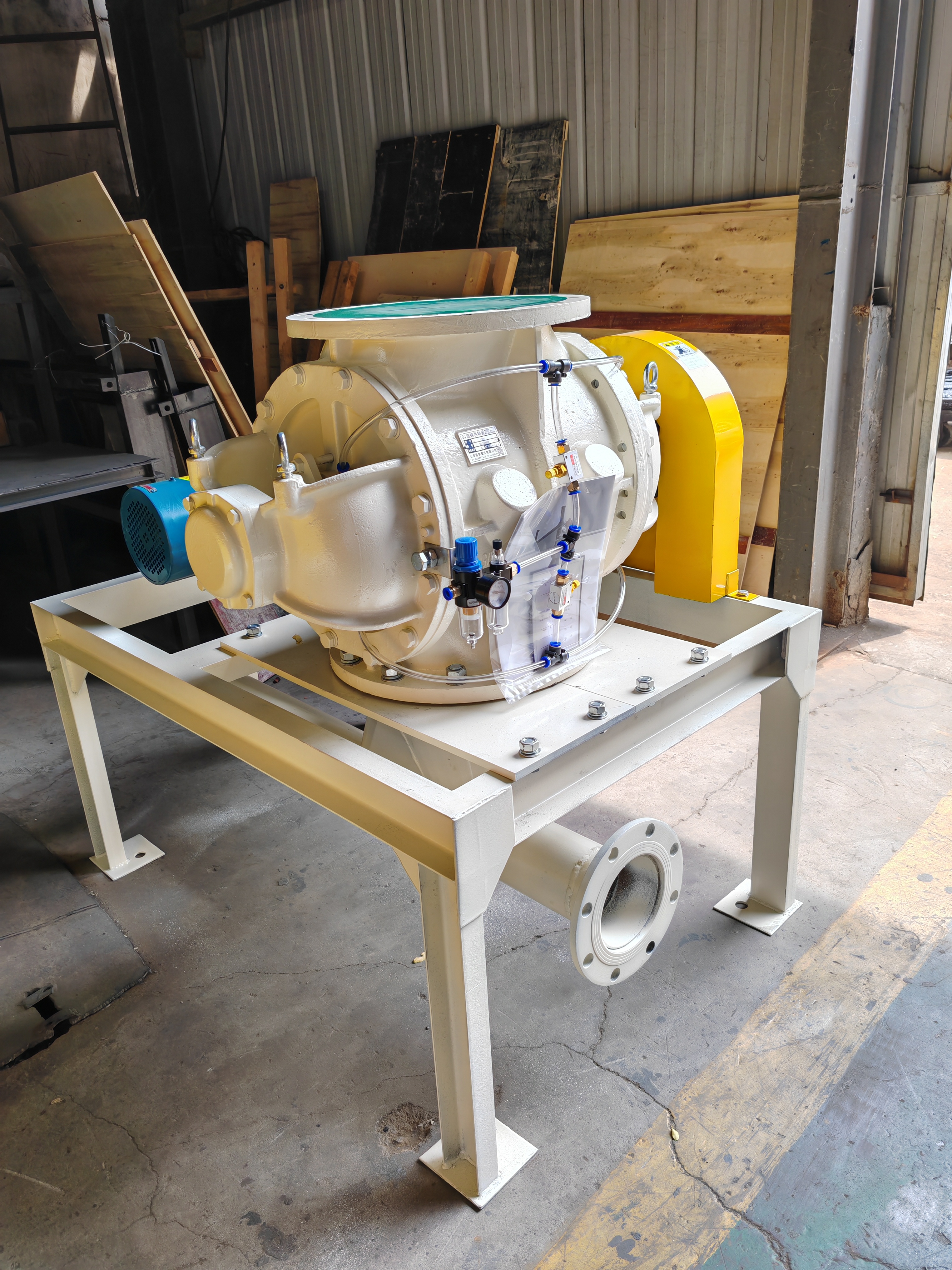
Selecting the right industrial rotary feeder is a critical decision that directly impacts your material processing efficiency, operational reliability, and total cost of ownership. An industrial rotary feeder serves as a precision control device within your bulk material handling equipment system, regulating the consistent flow of powders, granules, and other dry materials from hoppers into downstream equipment. The choice between different rotary airlock valve designs, volumetric feeder systems, and manufacturer options requires careful evaluation of multiple technical and operational factors specific to your application.
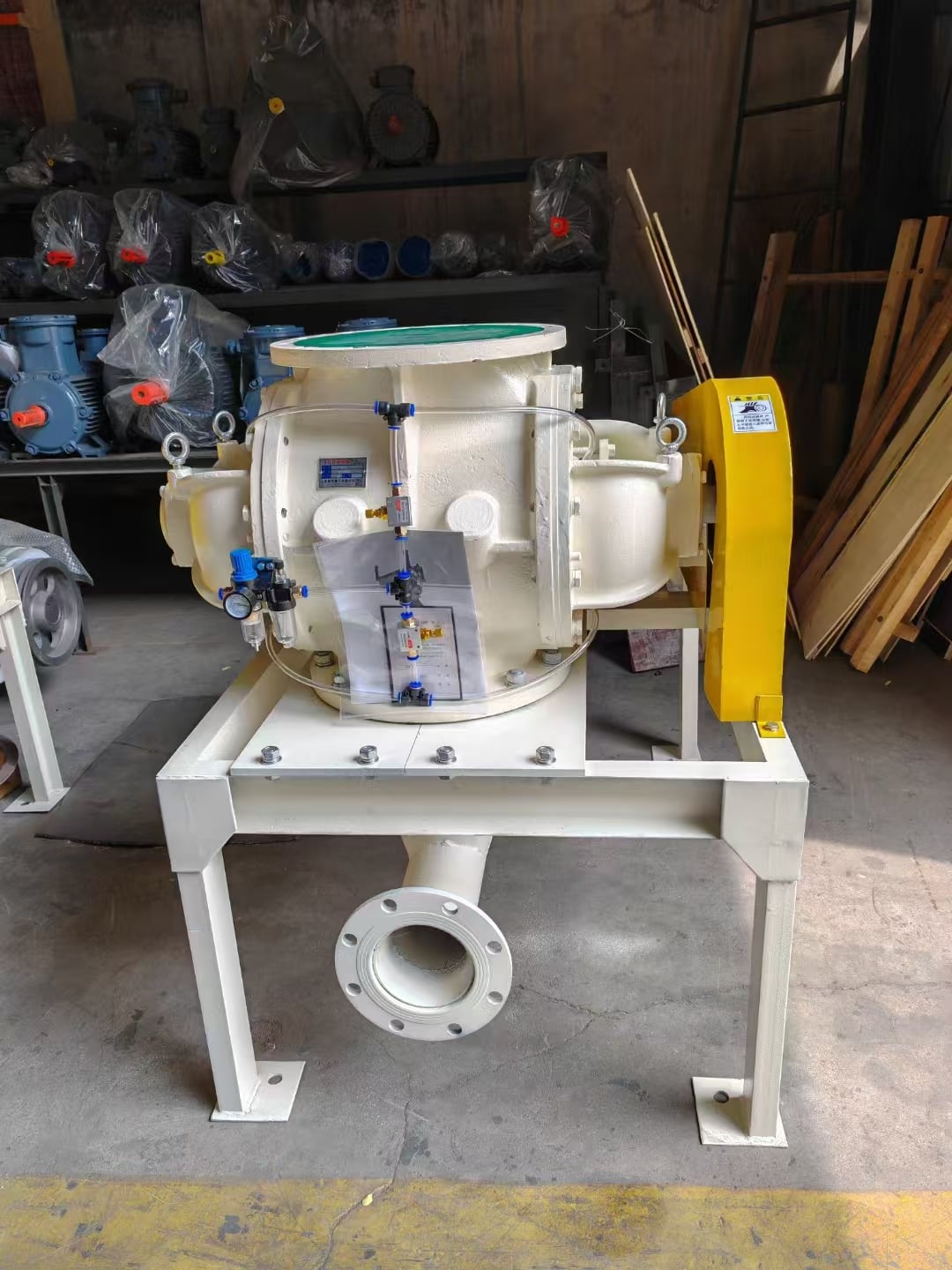
This guide explores the essential considerations that drive the selection of an industrial rotary feeder for your production environment. Whether you operate in food processing, pharmaceuticals, chemicals, or other industries relying on bulk material handling equipment, understanding these factors will help you make an informed decision that aligns with your operational requirements, budget constraints, and long-term reliability goals.
Material Properties and Handling Requirements
Understanding Your Material Characteristics
The physical and chemical properties of the material you plan to process are foundational to selecting the correct industrial rotary feeder configuration. Different materials demand different volumetric feeder systems because particle size, density, moisture content, and cohesiveness vary significantly across applications. Fine powders behave differently than coarse granules, and materials with higher moisture content may require specialized rotary airlock valve designs to prevent bridging or sticking inside the feeder housing.
Consider whether your bulk material handling equipment will process abrasive materials that accelerate wear on internal components, or whether you need to handle sensitive materials that cannot tolerate shear forces. Some materials require gentler handling to maintain product integrity, while others can tolerate more aggressive processing. Testing your specific material with candidate industrial rotary feeder units or consulting material flow analysis data helps identify the optimal feeder design for your needs.
Flow Rate and Throughput Specifications
Determining the required flow rate is essential for proper industrial rotary feeder selection and volumetric feeder systems sizing. Flow rate requirements depend on your production schedule, batch processing cycles, and downstream equipment capacity. An undersized rotary airlock valve creates bottlenecks and reduces overall system throughput, while an oversized feeder wastes energy and reduces control precision.
Calculate your required flow rate in pounds or kilograms per hour, and verify that your selected bulk material handling equipment can accommodate that throughput without sacrificing accuracy or creating process disruptions. The rotary feeder must deliver consistent, metered flow rather than intermittent bursts, and this consistency directly affects product quality and process stability.
Equipment Design and Technical Specifications
Rotor Configuration and Internal Geometry
The rotor design inside your industrial rotary feeder fundamentally determines how material moves through the system and how precisely flow can be controlled. Different rotary airlock valve configurations exist: some feature deep cavities that hold more material per revolution, while others use shallow designs for finer flow control. The number of rotor pockets, the rotor speed range, and the overall geometry all influence whether a particular volumetric feeder systems design suits your application.
Examine whether the industrial rotary feeder design includes features to prevent material bridging, promote consistent fill of rotor pockets, and minimize material degradation during the metering process. Some advanced designs incorporate wear liners, improved seal configurations, and optimized cavity shapes specifically engineered for challenging materials within bulk material handling equipment systems.
Material Compatibility and Wear Resistance
The construction materials of your industrial rotary feeder directly affect longevity and maintenance costs. Stainless steel offers excellent corrosion resistance for food and pharmaceutical applications, while carbon steel provides cost-effective solutions for non-corrosive materials. Specialized coatings and wear-resistant liners extend service life when processing abrasive materials through your bulk material handling equipment.
Evaluate the rotary airlock valve and volumetric feeder systems for seal materials, bearing types, and internal component construction that match your operating environment. Consider whether the industrial rotary feeder can handle temperature fluctuations, chemical exposure, or moisture without premature degradation or performance loss.
Integration and Operational Considerations
Connection Standards and Installation Requirements
Your industrial rotary feeder must integrate seamlessly with existing hoppers, ducts, and downstream equipment in your bulk material handling equipment setup. Standard flange sizes, port configurations, and mounting arrangements vary across manufacturers and feeder types. Verify that the rotary airlock valve connections match your current infrastructure or plan for adapters that maintain seal integrity and system reliability.
Installation accessibility and maintenance clearance are practical factors that affect long-term operational success. An industrial rotary feeder positioned in a confined space may require specialized removal procedures during maintenance intervals. Confirm that service personnel can easily access the feeder for inspection, cleaning, and component replacement without disrupting your production layout or creating safety hazards.
Control, Monitoring, and Reliability Features
Modern volumetric feeder systems often include variable speed drives, digital flow monitoring, and sensor integration that enhance process control and product consistency. These features reduce manual intervention, improve record-keeping for compliance purposes, and enable rapid adjustments when production requirements change. Your bulk material handling equipment system benefits from real-time feedback on actual flow rates versus target setpoints.
Evaluate the rotary airlock valve options for reliability features such as jam detection, automatic shut-off during blockages, and fault signaling to your process control system. An industrial rotary feeder with built-in diagnostics minimizes unexpected downtime and allows preventive maintenance scheduling before critical failures occur.
FAQ
What is the typical lifespan of an industrial rotary feeder?
Most industrial rotary feeder units operate reliably for three to five years under normal conditions, though material type and operating environment significantly influence actual service life. Abrasive materials accelerate internal wear, while gentle handling of non-abrasive bulk material handling equipment materials can extend component longevity. Regular maintenance, including seal inspection and rotor lubrication, maximizes the lifespan of your rotary airlock valve and volumetric feeder systems investment.
How do I determine the correct rotor speed for my application?
Rotor speed selection depends on your required flow rate, material density, and pocket capacity of your specific industrial rotary feeder model. Start by calculating the theoretical flow rate at various speeds using your material's bulk density and the feeder's known pocket volume. Conduct practical testing with your actual material to confirm that the chosen speed delivers accurate volumetric feeder systems performance while maintaining consistent flow quality throughout your bulk material handling equipment operation.
Can an industrial rotary feeder handle materials with high moisture content?
High-moisture materials present challenges for standard industrial rotary feeder designs because moisture can cause bridging, sticking, and reduced flow consistency. However, specialized rotary airlock valve configurations with improved seal designs, drainage provisions, and material-specific cavity shapes can accommodate moderately moist materials. For very wet or highly hygroscopic materials, combine your industrial rotary feeder with pre-drying equipment or select volumetric feeder systems engineered specifically for challenging moisture conditions in your bulk material handling equipment system.