
 EN
EN
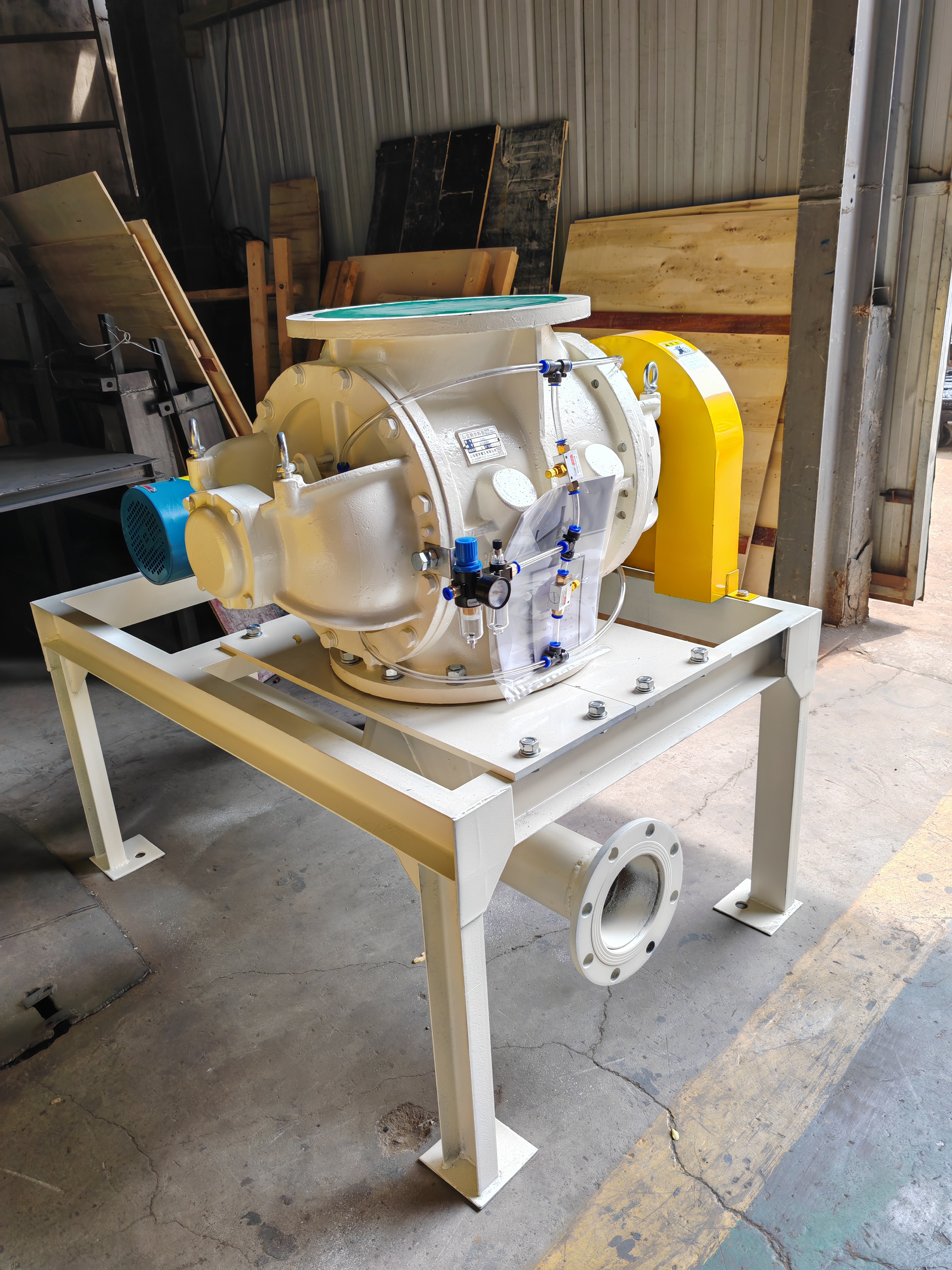
A rotary feeder serves as a critical component in bulk material handling equipment, controlling the precise flow of materials from storage bins or hoppers into downstream processing systems. Understanding the factors that influence rotary feeder performance and efficiency is essential for industries relying on consistent, controlled material delivery. Whether managing powders, granules, or other bulk solids, the performance of your rotary feeder directly impacts production rates, product quality, and operational costs.
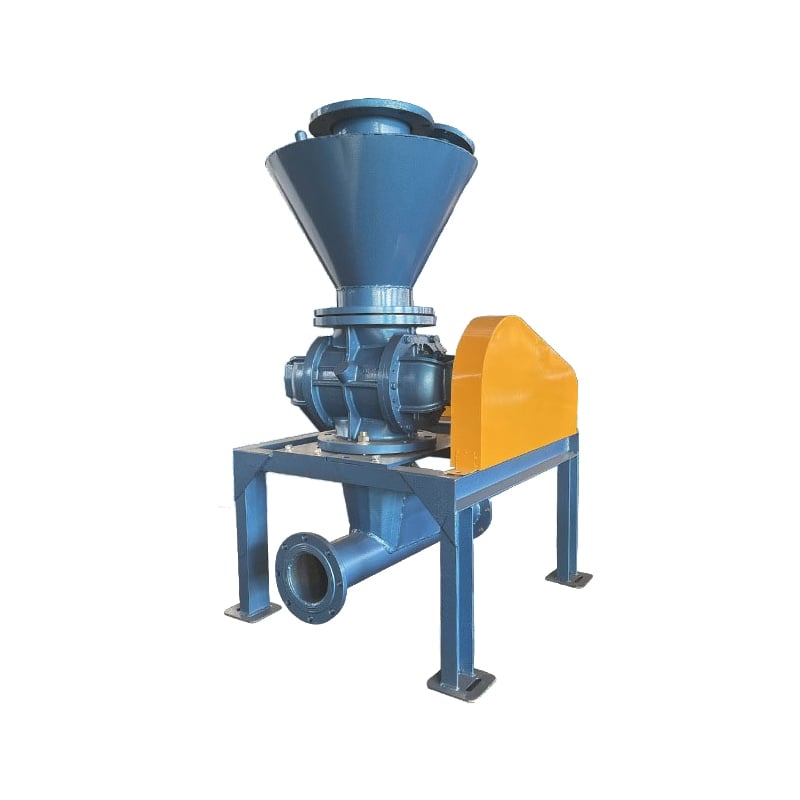
The efficiency of bulk material handling equipment depends on numerous interrelated variables that operators and maintenance teams must monitor and optimize. From material characteristics to mechanical design parameters, every aspect of your rotary feeder system contributes to overall performance. By recognizing these factors early, you can prevent costly downtime, reduce material waste, and achieve more reliable production throughput.
Material Properties and Their Impact on Rotary Feeder Performance
Material Characteristics and Flow Behavior
The physical properties of the bulk material being handled represent the first major influence on rotary feeder performance. Particle size, moisture content, density, and cohesiveness all affect how smoothly material flows through the feeder. Fine powders with high moisture content tend to stick to feeder surfaces, causing bridging or buildup that reduces flow consistency. Conversely, free-flowing granular materials typically allow gravity flow rate control to function more predictably, enabling the rotary feeder to maintain steady discharge rates without excessive slippage or material compaction.
Material abrasiveness also determines wear rates on feeder components, particularly on rotating elements and interior surfaces. More abrasive materials like sand, minerals, or metal powders require more frequent maintenance and component replacement, directly affecting the operational efficiency of your bulk material handling equipment. Understanding your specific material's flow properties allows you to select appropriate feeder designs, rotor speeds, and blade configurations that optimize performance while minimizing wear.
Bulk Density and Hopper Design Integration
Bulk density influences how much pressure the material exerts on feeder components and how effectively the rotary feeder can achieve controlled discharge. Materials with higher bulk density create greater compaction forces, which can interfere with gravity flow rate control mechanisms and increase slip between the material and rotor blades. The hopper geometry above the rotary feeder must be optimized to ensure consistent material head pressure without creating dead zones where material can become stagnant or segregate by particle size.
A poorly designed hopper can compromise even the most robust rotary feeder, as uneven material distribution or insufficient head pressure leads to inconsistent feed rates and increased wear. Conversely, hopper designs that promote laminar flow and maintain uniform pressure distribution allow the rotary feeder to operate at peak efficiency, delivering precise material quantities to your vibratory feeder systems or downstream equipment.
Mechanical Design and Operational Parameters
Rotor Blade Configuration and Speed Optimization
The design of rotor blades directly affects how efficiently the rotary feeder moves material and controls discharge rates. Blade shape, number, and angle determine the shear forces applied to bulk material, influencing whether material moves smoothly or experiences excessive compaction and adhesion. Higher rotor speeds generate greater volumetric throughput but can also increase wear, energy consumption, and dust generation in bulk material handling equipment. Finding the optimal speed balance requires consideration of your specific material properties and required discharge rate targets.
Different blade configurations serve different material types and flow requirements. Straight blades work well for free-flowing granular materials, while curved or spiral blade designs better handle cohesive or sticky materials by providing gentler handling and reduced compaction. Variable-speed motor control allows operators to adjust rotary feeder performance dynamically, responding to changes in material moisture, particle size, or downstream demand without requiring physical modifications to the equipment.
Bearing and Seal System Integrity
Bearing condition and seal performance are fundamental to maintaining rotary feeder efficiency over extended operational periods. Worn bearings introduce friction and vibration that reduce the rotary feeder's ability to move material smoothly, increasing power consumption and generating heat that can damage sensitive materials. High-quality bearings with proper lubrication ensure that rotation occurs with minimal resistance, allowing the feeder to deliver consistent gravity flow rate control and stable discharge rates.
Seal systems protect bearing assemblies from material infiltration while containing lubricants, both critical for long-term reliability in bulk material handling equipment. Deteriorated or contaminated seals allow material dust to enter bearing cavities, accelerating wear and compromising performance. Regular inspection and timely seal replacement prevent bearing failure and extend the operational lifespan of your rotary feeder investment, ensuring your vibratory feeder systems and downstream processes receive consistent material feed.
Environmental and Operating Conditions
Temperature Effects and Thermal Management
Temperature variations influence both the material properties and the mechanical efficiency of the rotary feeder. Cold materials may become more cohesive or flow differently than at room temperature, requiring adjustment to feeder settings to maintain consistent discharge rates. Excessive heat generated by friction or from the material itself can degrade lubricants, warp components, and alter the physical properties of the bulk material being processed, potentially causing buildup or separation issues within the feeder.
Thermal management becomes especially critical in applications where materials are heated or cooled during processing. Some rotary feeder designs incorporate cooling jackets or heat-dissipating materials to manage temperature within acceptable operating ranges. Monitoring and controlling operational temperature directly impacts the longevity of seals, bearings, and blade surfaces while preserving the bulk material handling equipment's consistent performance over time.
Environmental Contamination and Moisture Control
Ambient humidity and moisture infiltration pose significant challenges to rotary feeder performance, particularly when handling hygroscopic materials that absorb atmospheric moisture readily. Increased moisture content promotes material adhesion to rotor blades and housing surfaces, reducing effective capacity and creating uneven discharge patterns. In extreme cases, moisture can cause material caking or bridging that completely halts bulk material handling equipment operation until manual intervention clears blockages.
Proper environmental controls, including moisture barriers, ventilation systems, and material storage protocols, help maintain optimal conditions for rotary feeder operation. Sealed hopper designs and desiccant systems protect materials from ambient moisture, ensuring that gravity flow rate control functions as designed. By managing the material's moisture exposure before it reaches the rotary feeder, operators can significantly improve equipment reliability and reduce downtime caused by material-related performance degradation.
FAQ
How does rotary feeder speed affect material throughput?
Rotary feeder speed directly correlates with volumetric throughput, as higher rotor speeds move more material per rotation. However, increasing speed beyond optimal levels creates excessive compaction, increases wear on blade and housing components, and raises energy consumption without proportional gains in discharge rate. The ideal speed balances material throughput requirements with mechanical longevity and energy efficiency, typically determined through testing with your specific bulk material handling equipment and material properties.
What maintenance practices optimize rotary feeder efficiency?
Regular maintenance including bearing lubrication, seal inspection, blade wear assessment, and motor vibration monitoring ensures consistent rotary feeder performance. Cleaning accumulated material residue from internal surfaces and checking for corrosion or contamination in vibratory feeder systems prevents buildup that restricts flow and creates uneven discharge. Preventive maintenance schedules based on operating hours and material type extend equipment lifespan while reducing unexpected failures that disrupt bulk material handling operations.
Can rotary feeder design be adjusted for different materials?
Yes, rotary feeder performance can be optimized for different materials through blade configuration changes, speed adjustment, hopper design modifications, and gravity flow rate control system calibration. Some materials require gentler handling with curved blades and slower speeds, while others benefit from aggressive blade designs and higher rotational speeds. Consulting with equipment specialists to match your rotary feeder configuration to specific material properties ensures efficient bulk material handling equipment operation across varying applications and product types.