
 EN
EN
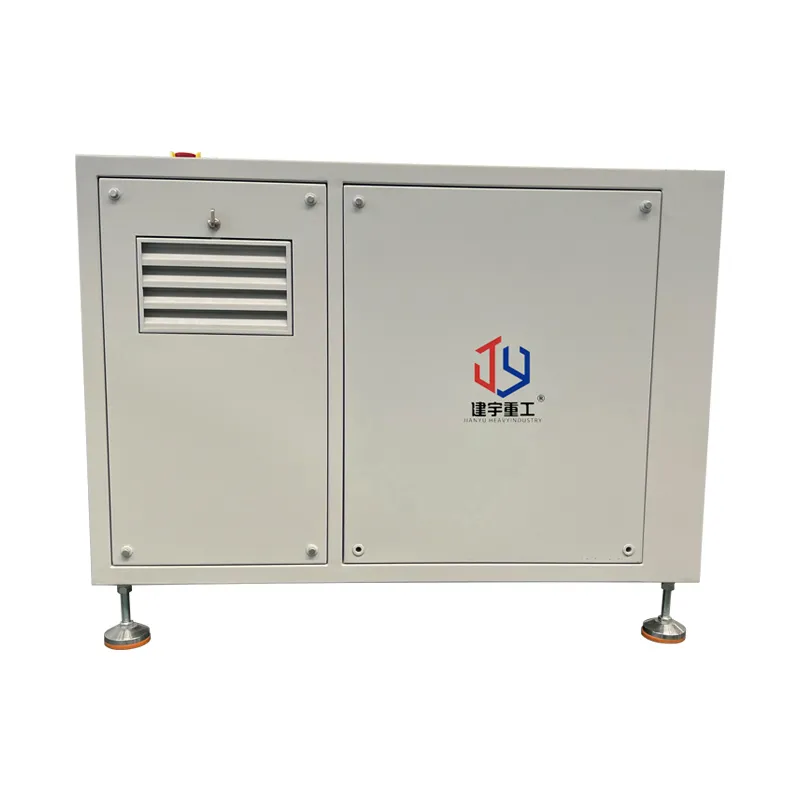
Selecting the right air suspension blower requires more than reviewing basic specifications. Buyers must understand which certifications, performance standards, and testing protocols ensure reliable operation, safety, and compliance within their specific industrial or automotive environment. The wrong choice can result in equipment failure, regulatory violations, and costly downtime.
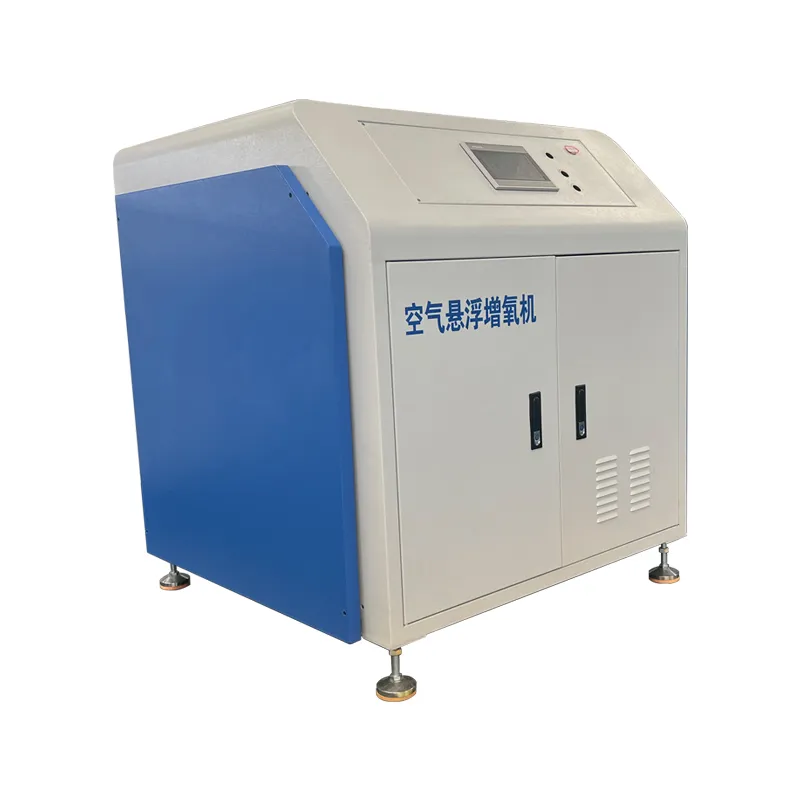
This guide walks you through the essential certifications, performance benchmarks, and quality indicators that distinguish high-caliber air suspension blower systems from mediocre alternatives. Whether you're managing a fleet service center, designing pneumatic systems, or overseeing industrial air supply infrastructure, understanding these standards protects your investment and ensures long-term operational excellence.
Core Safety and International Certifications
ISO and CE Compliance Standards
An air suspension blower operating in Europe or serving international markets must carry CE (Conformité Européenne) marking, which demonstrates compliance with the Machinery Directive 2006/42/EC. This certification covers safety-critical aspects including pressure vessel integrity, electrical safety, and noise emission limits. ISO 4414 governs the general rules and safety of pneumatic systems, establishing baseline requirements for component design, installation, and maintenance of pneumatic air spring systems.
Buyers should verify that the air suspension compressor maintenance procedures documented by the manufacturer align with ISO standards. Equipment bearing these marks has undergone third-party assessment and factory inspection, reducing the risk of undisclosed design flaws. When comparing vendors, request evidence of current certification rather than relying on verbal assurances.
Pressure Equipment Directive (PED) Classification
If your air suspension blower stores or pressurizes gas or liquid, it falls under PED regulations in EU markets. Pressure equipment classified as Category III or IV demands conformity assessment by a notified body. This classification determines whether the manufacturer can self-certify (Category I and II) or must engage independent auditors. The PED category directly impacts both the cost of compliance and the credibility of the product's safety record.
Understanding PED classification also clarifies warranty terms and liability frameworks. A compliant pneumatic air spring system will include a Declaration of Conformity (DOC) and technical file documenting design calculations, material selections, and fatigue analysis for pressure vessels.
Performance Standards and Testing Benchmarks
Pressure Rating and Flow Specifications
Every air suspension blower must carry a rated maximum working pressure (RMWP) clearly marked on the device. This specification, typically expressed in bar or PSI, reflects the safe upper limit under continuous operation. Buyers must ensure the rated pressure matches or exceeds the system requirements for their vehicle air suspension repair operations or industrial pneumatic circuits. Exceeding rated pressure voids warranties and creates hazardous conditions.
Flow capacity, measured in cubic feet per minute (CFM) or cubic meters per hour (m³/h), dictates how quickly the air suspension blower can respond to pressure drops or supply multiple air spring functions simultaneously. Performance standards require manufacturers to publish flow ratings at specific pressure differentials, allowing fair comparison across models. Undersized blowers create slow response times and poor ride comfort in vehicle air suspension repair applications.
Durability and Cycle Testing
Reputable manufacturers subject their air suspension compressor maintenance equipment to accelerated cycle testing, simulating thousands of operating hours in compressed timeframes. ISO 4414 and industry-specific standards like DIN EN 60204-1 require documentation of mean time between failures (MTBF) and expected service intervals. A blower with demonstrated MTBF of 10,000 hours or higher provides confidence in long-term reliability compared to equipment with no published durability data.
Thermal stability testing ensures the pneumatic air spring system maintains consistent performance across temperature extremes. Blowers must operate reliably in cold climates without losing efficiency and in high-ambient environments without overheating. Buyers should request third-party test reports confirming performance across the temperature range relevant to their application geography.
Environmental and Noise Compliance Standards
Acoustic Emission Limits
Industrial facilities and vehicle service centers must comply with occupational noise exposure limits, typically 85 decibels (dB) in eight-hour shifts under most jurisdictions. An air suspension blower that generates 95 dB or higher creates compliance challenges and worker health risks. Manufacturers conforming to ISO 6954 and similar standards publish sound pressure levels measured at standardized distances, enabling accurate assessment before purchase.
Noise mitigation features such as vibration dampening mounts, acoustic enclosures, or low-speed designs differentiate premium air suspension blower models from budget alternatives. When evaluating air suspension compressor maintenance setups, consider whether the blower will operate in controlled industrial environments or noise-sensitive locations such as diagnostic bays near customer areas.
Environmental and Energy Efficiency Ratings
Many regions now require energy efficiency compliance under standards like ISO 11011 for pneumatic compressors. An efficient air suspension blower reduces operating costs and environmental impact by minimizing energy waste. Buyers in sustainability-focused organizations should prioritize blowers achieving higher efficiency ratings and lower specific energy consumption metrics.
Compliance with RoHS (Restriction of Hazardous Substances) and similar environmental directives ensures the air suspension blower does not introduce restricted materials into supply chains or workplaces. Verification of environmental certification protects against future regulatory changes and reputational risk.
Maintenance Documentation and Spare Parts Availability
Technical Documentation and Service Manuals
An air suspension blower meeting performance standards must include comprehensive technical documentation covering installation, operation, maintenance intervals, troubleshooting, and parts lists. ISO standards require manufacturers to provide information enabling competent technicians to maintain systems safely and effectively. Poor documentation signals manufacturing corners cut and increases the likelihood of application misuse or inadequate maintenance.
For vehicle air suspension repair operations, verify that the pneumatic air spring system documentation includes pressure test procedures, seal replacement intervals, and diagnostic protocols. Manufacturers meeting ISO 4414 standards provide maintenance schedules aligned with expected component wear patterns, enabling planned downtime rather than surprise failures.
Certified Spare Parts and Supply Chain Reliability
Performance standards extend to the availability of certified replacement parts throughout the product lifecycle. A manufacturer adhering to ISO standards commits to maintaining spare parts availability for 7-10 years after production ends. Verify that the air suspension blower vendor guarantees parts supply and publishes a spare parts catalog with cross-reference numbers, pressure ratings, and compatibility matrices.
Counterfeit pneumatic components damage equipment and compromise safety. Buyers should purchase only through authorized distributors and request documentation of parts authenticity, such as unique serial numbers or vendor certificates of authenticity accompanying critical components.
FAQ
What does CE certification mean for an air suspension blower?
CE marking indicates that an air suspension blower meets European Union safety, health, and environmental protection requirements established by the Machinery Directive. The manufacturer has assessed conformity with applicable standards and is responsible for ongoing compliance. CE certification does not guarantee performance beyond baseline safety; it establishes minimum legal requirements for market entry in EU member states.
How do I verify that an air suspension compressor maintenance system meets ISO standards?
Request the manufacturer's Declaration of Conformity and technical documentation referencing specific ISO standards such as ISO 4414, ISO 1219, or ISO 11011. Independent test certificates from accredited laboratories provide third-party verification. Contact the manufacturer's technical department directly to confirm which standards apply to your specific pneumatic air spring system application and request compliance documentation before purchase.
Why is MTBF important when selecting an air suspension blower?
Mean Time Between Failures (MTBF) quantifies the expected reliability and service interval of an air suspension blower based on accelerated testing and field data. A higher MTBF indicates fewer unplanned failures, lower maintenance costs, and greater operational predictability for vehicle air suspension repair fleets. MTBF specifications allow you to calculate total cost of ownership and compare reliability across competing products objectively.