
 EN
EN
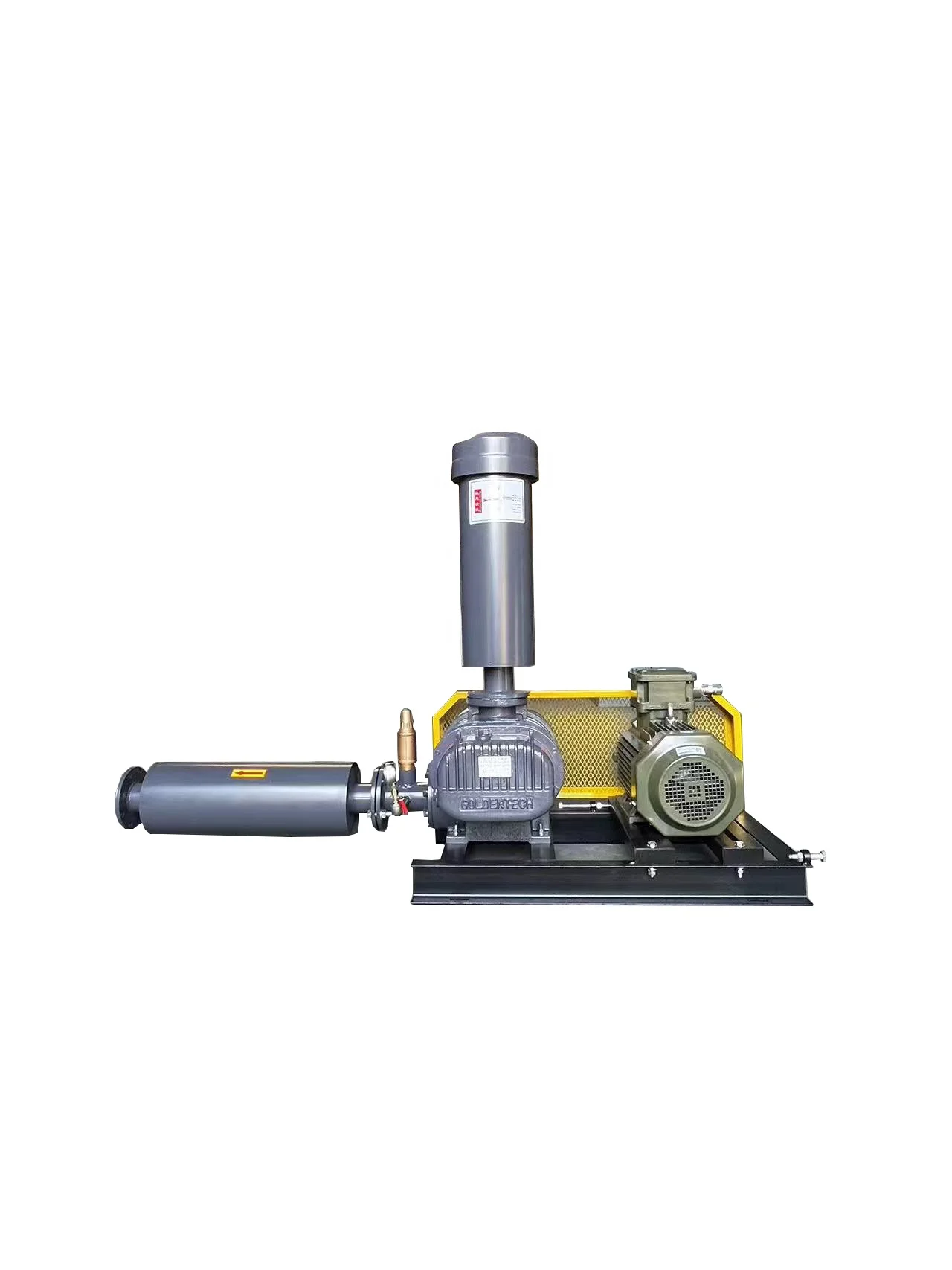
An industrial rotary feeder is a critical component in modern bulk material handling equipment systems. This equipment plays a pivotal role in controlling the flow of bulk materials from storage hoppers into processing lines, pneumatic conveying systems, or packaging stations. By regulating material discharge with precision, an industrial rotary feeder significantly reduces waste, minimizes downtime, and streamlines operations across diverse industries including food processing, pharmaceuticals, chemicals, plastics, and cement manufacturing.
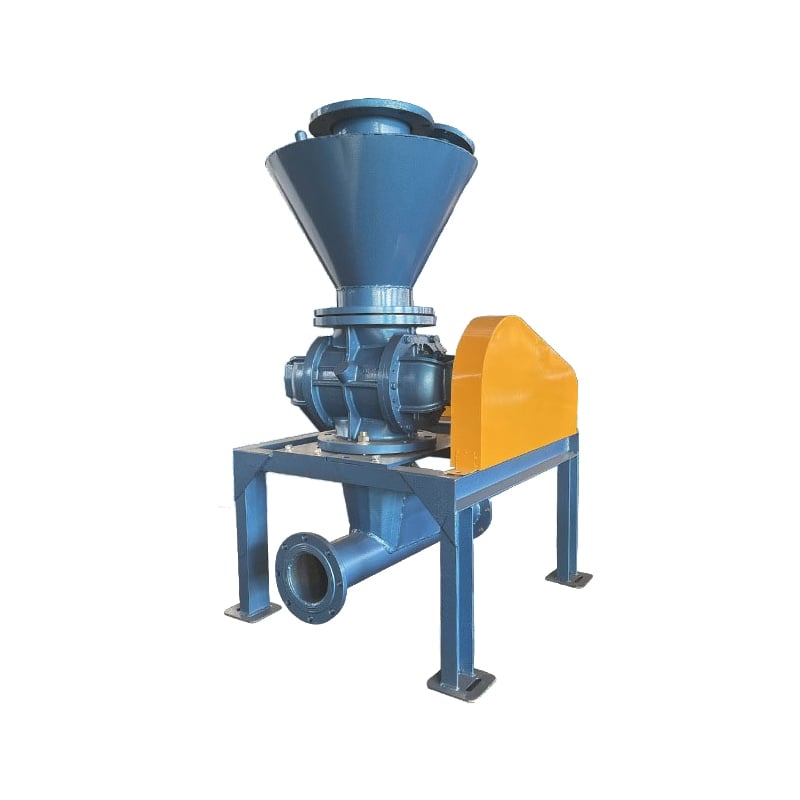
The increasing demand for automation and efficiency in manufacturing has made bulk material handling equipment more sophisticated than ever. Modern industrial rotary feeder designs incorporate advanced control mechanisms that ensure consistent, metered discharge rates while maintaining system integrity. Whether paired with a rotary airlock valve for pressure containment or integrated into a gravimetric feeder system for precise dosing, these feeders have become indispensable for companies seeking to maximize throughput while minimizing operational costs and environmental impact.
Core Benefits of Industrial Rotary Feeders
Precision Material Discharge Control
An industrial rotary feeder operates by using rotating impellers or paddles housed within a cylindrical chamber to precisely control the rate at which bulk materials exit a storage vessel. This metered discharge capability is essential for operations that require consistent feed rates into downstream processes. The rotary mechanism ensures that material flows uniformly, preventing bridging, rat-holing, or erratic surges that can disrupt production schedules. By maintaining steady material flow, bulk material handling equipment reduces variability in product quality and operational consistency, which directly translates to fewer rejected batches and lower overall production costs.
Enhanced System Pressure Management
When integrated with pneumatic conveying systems, a rotary airlock valve function becomes critical for maintaining pressure differential between the hopper environment and the conveying line. This airlock mechanism prevents air from back-flowing into the hopper while allowing controlled material passage, ensuring optimal system pressure and reducing energy waste. In applications involving negative pressure or vacuum conveying, the rotary airlock valve serves as the interface that protects the storage system from atmospheric infiltration while maintaining product integrity. This dual-role capability makes the airlock function essential for energy-efficient bulk material handling equipment operation across demanding industrial environments.
Operational Efficiency Across Industry Verticals
Dosing Precision in Regulated Industries
Pharmaceutical and food processing industries depend on accurate ingredient metering for product consistency and regulatory compliance. A gravimetric feeder system combines an industrial rotary feeder with weight-based feedback control to achieve dosing accuracy within tight tolerances. Real-time monitoring of material mass allows the gravimetric feeder system to automatically adjust rotary speed, ensuring that each batch receives exactly the prescribed ingredient quantity. This precision eliminates manual adjustments, reduces human error, and creates auditable records essential for quality assurance. Companies using gravimetric feeder system technology report significant reductions in material waste and improved batch repeatability.
High-Volume Processing Capacity
Heavy industries such as cement production, mining, and aggregate processing require bulk material handling equipment capable of sustaining high throughput rates without mechanical fatigue. Modern industrial rotary feeder designs incorporate reinforced materials and advanced bearing systems that enable continuous operation under extreme conditions. By delivering material at consistent rates matched to downstream equipment capacity, an industrial rotary feeder prevents bottlenecks that would otherwise slow overall production. This capacity optimization means facilities can maximize output from existing infrastructure without costly expansions or equipment upgrades, directly improving return on investment.
Integration and Practical Implementation Considerations
Compatibility with Existing Systems
Retrofitting an industrial rotary feeder into existing production lines requires careful evaluation of hopper geometry, material properties, and downstream equipment specifications. The rotary airlock valve must be sized appropriately to match system pressure requirements and conveying capacity. When selecting bulk material handling equipment for integration, engineers must consider factors such as material density, particle size distribution, moisture content, and temperature conditions. A gravimetric feeder system added to the configuration must interface with control systems that can receive feedback and adjust rotary speed dynamically. Proper system integration ensures seamless operation and maximizes the efficiency benefits that the industrial rotary feeder brings to the overall process.
Maintenance and Long-Term Reliability
Routine maintenance of an industrial rotary feeder involves inspecting impeller wear, verifying bearing lubrication, and checking seal integrity to prevent material leakage. The rotary airlock valve components should be inspected periodically to ensure proper sealing and prevent air infiltration that would compromise system performance. Regular cleaning of the housing and discharge outlet prevents material buildup that could restrict flow or cause uneven discharge. By implementing preventive maintenance schedules, facilities can extend equipment life, reduce unplanned downtime, and ensure that bulk material handling equipment operates at peak efficiency. Many manufacturers provide spare parts and technical support to facilitate long-term reliability and minimize production interruptions.
FAQ
How does a rotary airlock valve differ from a standard industrial rotary feeder?
A rotary airlock valve is specifically designed to seal against pressure differential and prevent air or material back-flow between two environments, making it ideal for pneumatic conveying systems. An industrial rotary feeder, while it may incorporate airlock functionality, is primarily focused on metering material discharge rate. Many modern installations use both components together, with the industrial rotary feeder controlling the quantity of material while the rotary airlock valve maintains system pressure integrity and prevents air infiltration into the hopper.
Can a gravimetric feeder system work without an industrial rotary feeder?
A gravimetric feeder system requires a precision discharge mechanism to function effectively, and an industrial rotary feeder is the standard choice for this role. While other metering devices exist, the rotary feeder's consistent displacement volume and controllable speed make it particularly well-suited for gravimetric feedback integration. The combination of bulk material handling equipment such as a rotary feeder with weight-based control creates the closed-loop system necessary for accurate dosing in demanding applications.
What industries benefit most from industrial rotary feeder integration?
Industries that require precise material metering, continuous high-volume throughput, or pressure-sealed conveying systems gain substantial benefits from industrial rotary feeder deployment. Food processing, pharmaceuticals, chemicals, plastics, cement, and mining operations all rely on bulk material handling equipment like rotary feeders to maintain production consistency. Any facility where material waste reduction, quality control, or energy efficiency directly impacts profitability should evaluate whether an industrial rotary feeder would enhance operational performance and reduce long-term costs.