
 EN
EN
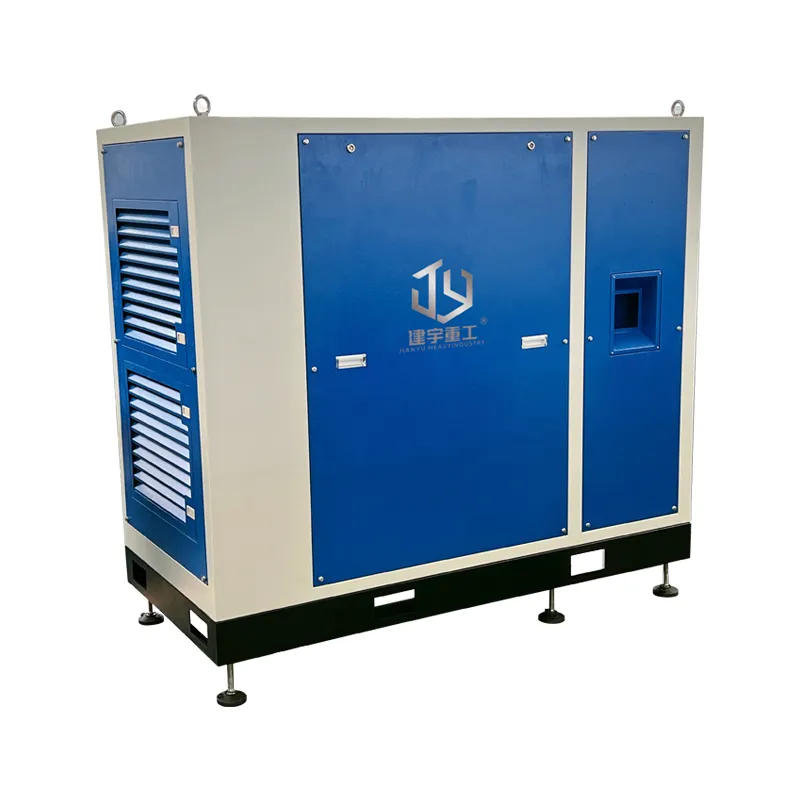
An air blower operates as a critical component in numerous industrial, commercial, and residential applications. The fundamental challenge that every facility faces is maintaining stable, consistent air flow regardless of external conditions or operational demands. Understanding how an air blower achieves this stability requires examining the mechanical principles, motor design, and control systems that work together to deliver dependable performance across diverse environments and use cases.
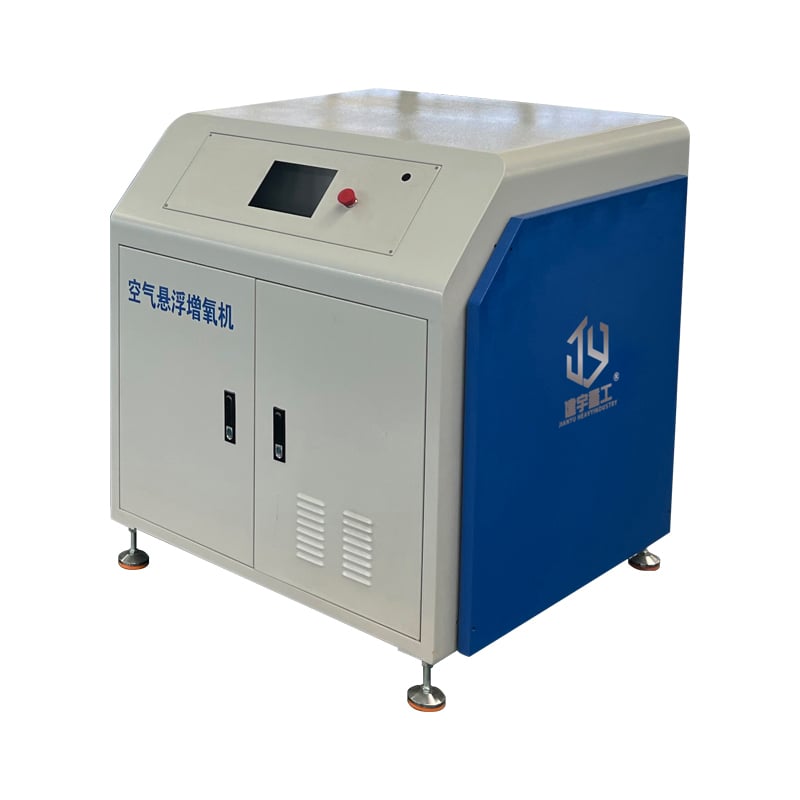
Stable air flow is not simply a matter of turning on a motor and hoping for consistent results. Instead, it emerges from carefully engineered combinations of mechanical design, electrical control, and operational feedback systems. A well-designed air blower maintains output pressure and volume stability under varying load conditions, temperature fluctuations, and demand patterns. This stability becomes especially critical in applications such as pneumatic conveying, dust collection, ventilation systems, and precision cleaning operations where inconsistent flow can compromise product quality or create safety risks.
Motor Design and Mechanical Engineering
Core Components That Sustain Stability
The air blower motor specifications form the foundation of stable air flow delivery. A high-quality motor operates with consistent torque output across its rated speed range, preventing the fluctuations that would otherwise disrupt air flow pressure and volume. Modern air blower motor specifications incorporate precision bearings, optimized rotor design, and carefully balanced components to minimize vibration and mechanical variance. These specifications determine whether the blower can maintain its performance envelope under sustained operation or whether performance degradation occurs over time.
Centrifugal and axial impeller designs represent two primary approaches to achieving stable flow. Centrifugal designs excel in applications requiring high pressure development over a range of flow rates, while axial designs prioritize volume delivery with moderate pressure increases. A portable air blower for cleaning typically employs centrifugal architecture because this design naturally maintains pressure stability as nozzles become partially obstructed or as operators adjust cleaning intensity. The impeller blade curve determines the fan's operating characteristics and its resistance to flow variations.
Speed Control and Load Response
Variable frequency drives and soft-start systems allow modern air blower systems to respond dynamically to changing demand without sacrificing stable output. When a portable air blower for cleaning encounters increased resistance, traditional fixed-speed motors would experience performance drops or current surges. Advanced control systems detect these changes and adjust motor speed to maintain target pressure and flow rates. This responsive adjustment becomes essential in applications like dust collection, where resistance builds gradually as filter loading increases.
Pressure-compensated designs represent another stability mechanism. These systems include internal feedback mechanisms that sense outlet pressure and automatically adjust throttling or bypass paths to maintain constant pressure independent of flow demand. Applications requiring truly stable air flow often employ such compensation methods because they eliminate the manual adjustment requirements that plague simpler designs and ensure performance consistency across operational shifts.
Noise Control and Performance Balance
Understanding Air Blower Noise Level Comparison
Air blower noise level comparison reveals that stable, smooth operation directly correlates with quieter performance. Turbulent flow patterns, cavitation, and mechanical imbalance generate noise as byproducts of instability. Premium air blower systems minimize these noise sources through precision manufacturing, optimized flow paths, and vibration isolation mounts. An air blower noise level comparison between budget models and engineered systems often shows 10 to 15 decibel differences, reflecting the fundamental stability differences in their mechanical designs and control strategies.
Acoustic enclosures, inlet silencers, and outlet mufflers extend noise reduction further, but these devices only suppress noise that already exists. True noise reduction stems from stable, smooth air flow achieved through superior design and manufacturing precision. When evaluating air blower systems, noise levels serve as a practical indicator of internal flow stability and mechanical quality. Lower noise typically signals more consistent performance and longer service life because noise represents wasted energy and mechanical stress.
Performance Consistency Under Variable Loads
Industrial applications rarely operate under perfectly constant demand. Temperature variations, filter loading, outlet obstruction, and seasonal factors all introduce demand variability. A truly stable air blower maintains its output characteristics across these variations rather than experiencing dramatic performance swings. Air blower motor specifications that include oversizing safety margins and robust control systems provide this adaptability. These systems tolerate momentary demand spikes without exceeding thermal limits or suffering efficiency collapse.
A portable air blower for cleaning exemplifies this principle. As operators move nozzles across different surfaces, resistance changes constantly. Stable systems adjust internally to maintain cleaning force consistency without requiring operator compensation. This automatic adaptation improves cleaning results, reduces operator fatigue, and extends motor service life by preventing thermal cycling that stresses windings and bearings.
System Integration and Real-World Application
Achieving Stable Flow in Pneumatic Systems
Pneumatic systems depend entirely on stable air blower performance because air acts as the system's working fluid. Any variation in blower output translates directly into actuator performance variation. Industrial pneumatic conveying systems demonstrate this principle clearly because product flow rate and quality depend on consistent air velocity and pressure. An air blower that delivers 500 CFM during one shift and 480 CFM during the next creates product handling inconsistencies that downstream processes cannot easily absorb.
Integrating a stable air blower into a pneumatic system requires careful attention to pressure scheduling, cooler sizing, and receiver tank volume. Oversized receiver tanks buffer minor pressure fluctuations and smooth demand spikes, but they cannot compensate for fundamental air blower instability. System designers who understand air blower motor specifications can specify appropriate backup margin and control responsiveness, ensuring the complete system delivers the stability that applications demand.
Maintenance and Long-Term Stability
Stable air flow characteristics require ongoing maintenance commitment because cleanliness, bearing condition, and impeller balance gradually degrade during operation. Filter replacement schedules, bearing lubrication protocols, and periodic vibration analysis help maintain the stability that careful engineering created. A portable air blower for cleaning exposed to abrasive dust environments requires more frequent maintenance than systems with primary filtration. Understanding these maintenance requirements becomes part of selecting appropriate equipment because initial air blower motor specifications only determine potential performance, not guaranteed long-term stability.
Operators who understand the mechanical basis for stable air flow typically achieve better real-world results because they recognize when performance degradation indicates maintenance needs rather than equipment inadequacy. Temperature monitoring, pressure tracking, and noise baseline comparison help identify deterioration early before it creates operational problems. This proactive approach preserves the air blower investment and maintains the stable air flow that dependent processes require.
FAQ
What factors most directly influence air blower stability?
Motor quality, impeller design precision, speed control systems, bearing condition, and system maintenance form the primary factors affecting air blower stability. Premium air blower motor specifications address each factor through precision engineering and robust components. Variable frequency drives enhance stability by allowing real-time performance adjustment, while pressure compensation systems automatically maintain target output independent of demand fluctuations. Environmental factors like ambient temperature and inlet contamination also influence stability, making system design and maintenance equally important.
How does a portable air blower for cleaning maintain consistent performance across different surfaces?
A portable air blower for cleaning designed for stable performance uses pressure-regulated nozzles and speed-adaptive motors to maintain consistent cleaning force despite varying surface resistance. As operators move nozzles between surfaces, internal feedback systems detect pressure changes and adjust motor speed to maintain target pressure output. This automatic response eliminates manual throttle adjustment requirements and ensures operators receive consistent cleaning action across all surfaces. Superior impeller design and bearing quality support this responsive stability without introducing lag or overshoot.
Why does air blower noise level comparison often indicate internal stability?
Air blower noise level comparison reveals stability because noise emerges from turbulent flow, mechanical imbalance, and vibration, all symptoms of instability. Systems with smooth, stable air flow paths and precision-balanced components operate more quietly because they avoid these noise-generating mechanisms. When comparing equipment, lower baseline noise typically signals superior mechanical engineering and control systems that maintain stable output characteristics. This acoustic indicator helps operators and engineers identify equipment quality differences that might not appear obvious through basic specification comparison alone.