
 EN
EN
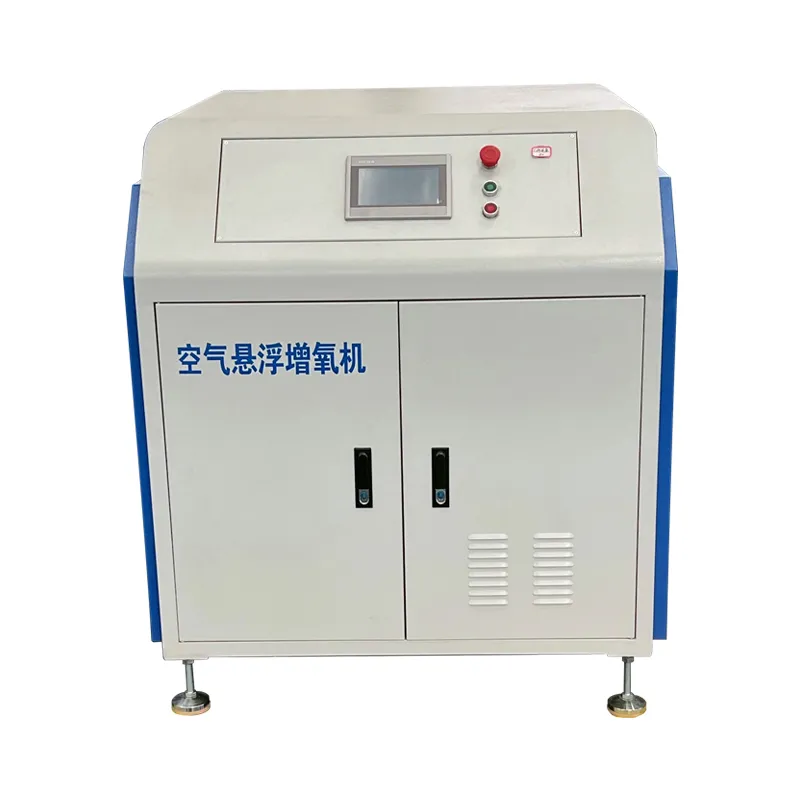
Biological treatment processes depend on a fundamental principle: consistent oxygen availability. An aeration air blower is the mechanical heart that delivers this oxygen reliably to treatment systems, ensuring microorganisms can process contaminants efficiently. Without stable oxygen supply, biological treatment fails, treatment efficiency drops, and regulatory compliance becomes impossible.
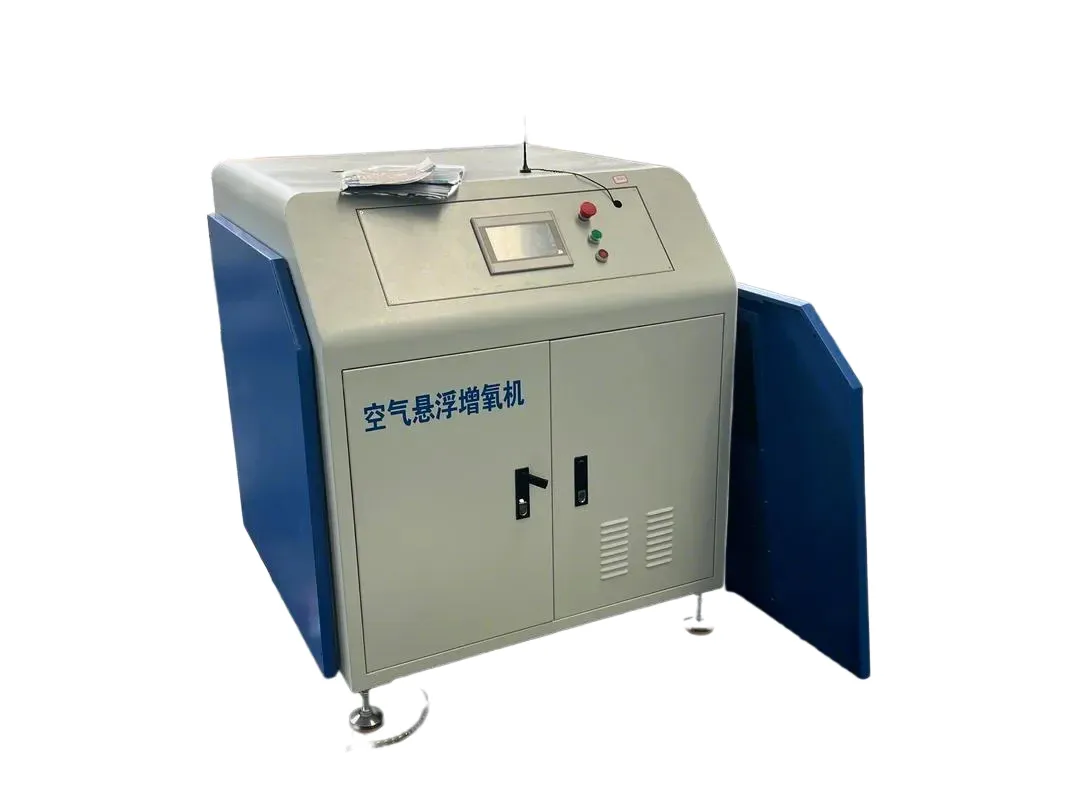
Biological treatment systems—whether wastewater treatment facilities, aquaculture operations, or industrial lagoons—rely on aerobic microorganisms to break down organic matter and nutrients. The aeration system must maintain dissolved oxygen levels above critical thresholds while avoiding fluctuations that disrupt microbial metabolism. Pond aeration systems and air pump for water circulation devices must operate continuously and predictably to prevent process upset, sludge settling problems, and odor formation that occurs under anaerobic conditions.
How Aeration Air Blowers Sustain Microbial Processes
Oxygen Transfer and Microbial Metabolism
Biological treatment relies on aerobic microorganisms that consume dissolved oxygen as they metabolize substrate. An effective aeration air blower creates fine bubbles or strong turbulence that increases oxygen transfer rate into the liquid phase. The rate of oxygen dissolution depends on bubble size, contact time, and mixing intensity. Aquaculture oxygen equipment must maintain dissolved oxygen concentrations typically between 4 and 8 mg/L, depending on treatment stage and organism type. When oxygen supply becomes intermittent or insufficient, microorganisms cannot maintain adequate respiration rates, treatment efficiency declines, and process stability collapses.
Preventing Septic Conditions and Odor
Without adequate aeration, treatment basins quickly develop anaerobic zones where odor-producing bacteria thrive and hydrogen sulfide forms. Pond aeration systems prevent stratification and dead zones by maintaining mixing and bulk oxygen delivery. Stable aeration prevents the formation of reducing conditions that cause precipitate release, color formation, and corrosion. Air pump for water circulation equipment must run reliably because even short-term aeration lapses can trigger irreversible shifts toward anaerobic digestion, requiring weeks to recover.
Operational Stability and System Design Considerations
Continuous Delivery and Flow Control
Biological treatment processes are sensitive to changes in aeration intensity. An aeration air blower must deliver consistent flow rates across varying inlet conditions and seasonal temperature changes. Positive displacement blowers maintain constant volumetric flow regardless of back pressure, making them ideal for applications where treatment lagoons or activated sludge tanks require predictable oxygen input. Aquaculture oxygen equipment often uses similar constant-displacement designs to prevent fish stress from dissolved oxygen swings. Variable-speed drives allow flow modulation based on dissolved oxygen sensors, but the base blower design must support stable operation across its intended pressure and flow range.
Reliability and Maintenance Impact
System uptime directly correlates with treatment quality. An unreliable aeration air blower creates gaps in biological activity, allowing solids to settle into sludge banks that become difficult to re-suspend. Pond aeration systems with redundant or high-reliability designs ensure treatment continuity during maintenance windows. Bearing reliability, bearing lubrication, and seal integrity are critical because seal failure introduces water into the blower, causing rapid deterioration. Modern aquaculture oxygen equipment incorporates automatic bypass valves and pressure relief to prevent damage during transient high-pressure events, protecting the biological system from sudden oxygen depletion.
Matching Aeration System Capacity to Treatment Demand
Oxygen Demand Assessment
Treatment plants must size an aeration air blower based on peak organic loading rates and solids retention time. Pond aeration systems handling seasonal agricultural runoff or industrial discharge must accommodate maximum oxygen demand without exceeding design pressure or temperature limits. Air pump for water circulation equipment in aquaculture facilities must match stocking density, feed rate, and water temperature because dissolved oxygen solubility decreases as temperature rises. Undersizing the blower creates persistent oxygen limitation, limiting treatment capacity and process stability. Oversizing increases energy consumption unnecessarily, but modern variable-speed aeration allows rightsize blowers to modulate output based on demand.
System Integration and Control
Effective biological treatment combines an appropriately sized aeration air blower with real-time dissolved oxygen monitoring and feedback control. Aquaculture oxygen equipment often includes automatic aeration schedules that intensify during high-demand periods and reduce during low-demand periods. Pond aeration systems benefit from dissolved oxygen sensors in the treatment basin that adjust blower speed to maintain setpoint. This closed-loop approach prevents both oxygen starvation and wasteful over-aeration, protecting treatment stability while reducing energy cost and blower wear.
FAQ
Why does an aeration air blower require such precise flow control in biological treatment?
Aerobic microorganisms metabolize substrate at rates proportional to available oxygen. If an aeration air blower delivers inconsistent flow, dissolved oxygen fluctuates, causing microorganisms to alternate between aerobic and anaerobic metabolism. This metabolic stress reduces treatment efficiency, inhibits nitrification, and can allow pathogenic organisms to proliferate. Stable aeration maintains consistent microbial physiology and prevents the fouling and odor formation associated with anaerobic conditions.
How does an aeration air blower prevent sludge accumulation in treatment basins?
Strong aeration and mixing, delivered by an effective aeration air blower, keep solids suspended in the liquid column and prevent settling into low-oxygen dead zones where anaerobic digestion begins. Pond aeration systems that maintain bulk mixing prevent stratification and sludge bank formation. When blower performance declines or runtime is intermittent, solids settle rapidly, reducing treatment efficiency and increasing maintenance burden.
Can an undersized aeration air blower still support a treatment system?
An undersized aeration air blower limits treatment capacity and creates chronic oxygen deficit, especially during peak loading. The system may operate at reduced efficiency or develop partial anaerobic zones. Aquaculture oxygen equipment that is undersized will cause dissolved oxygen to drop below species requirements, stress organisms, and reduce productivity. While the system may not fail immediately, it cannot reliably meet treatment demand or regulatory discharge limits.